
Guides
Common pests and diseases on UK allotments
Allotments often have the same pest and disease problems each year. Vegetables are grown close together, the same crops often return to the same beds, and pests can move from one plot to the next. This guide names the problems you are most likely to see, shows how to tell them apart, and links to a detailed page on each.
Most allotment damage comes from a small group of common pests and diseases. Soft young growth attracts aphids and slugs, and repeated crops can let soil problems build up. Once you know the common signs, it is easier to check the damage.
Start with the quick table below. Match what you can see to the likely cause, open the detailed page to confirm it, then decide whether you need to act. Some damage is minor, and a healthy plant can tolerate more damage than a weak one.
What is damaging my plants?
Match what you can see to the likely cause, then open the guide to confirm it.
| What you are seeing | Likely cause |
|---|---|
| Sticky leaves and dense clusters of small insects on the shoot tips | Aphids |
| Clouds of tiny white flies rising when you brush against a brassica | Whitefly |
| Fine pale speckling and faint webbing under bean or courgette leaves | Red spider mite |
| Ragged holes in soft leaves and silvery slime trails on the soil | Slugs and snails |
| Cabbage and kale leaves eaten to lace, with green caterpillars underneath | Caterpillars |
| A fine peppering of small round holes across seedling brassica leaves | Flea beetles |
| Potato or tomato foliage browning and collapsing fast in warm wet spells | Blight |
| A white dusty coating on courgette, pea or marrow leaves | Powdery mildew |
| Carrots and parsnips with rusty-brown tunnels just under the skin | Carrot fly |
| Cabbages wilting by day, with swollen distorted roots when lifted | Clubroot |
Six common allotment problems
These are the problems many allotment growers see first. Open any one for more photographs and checks.
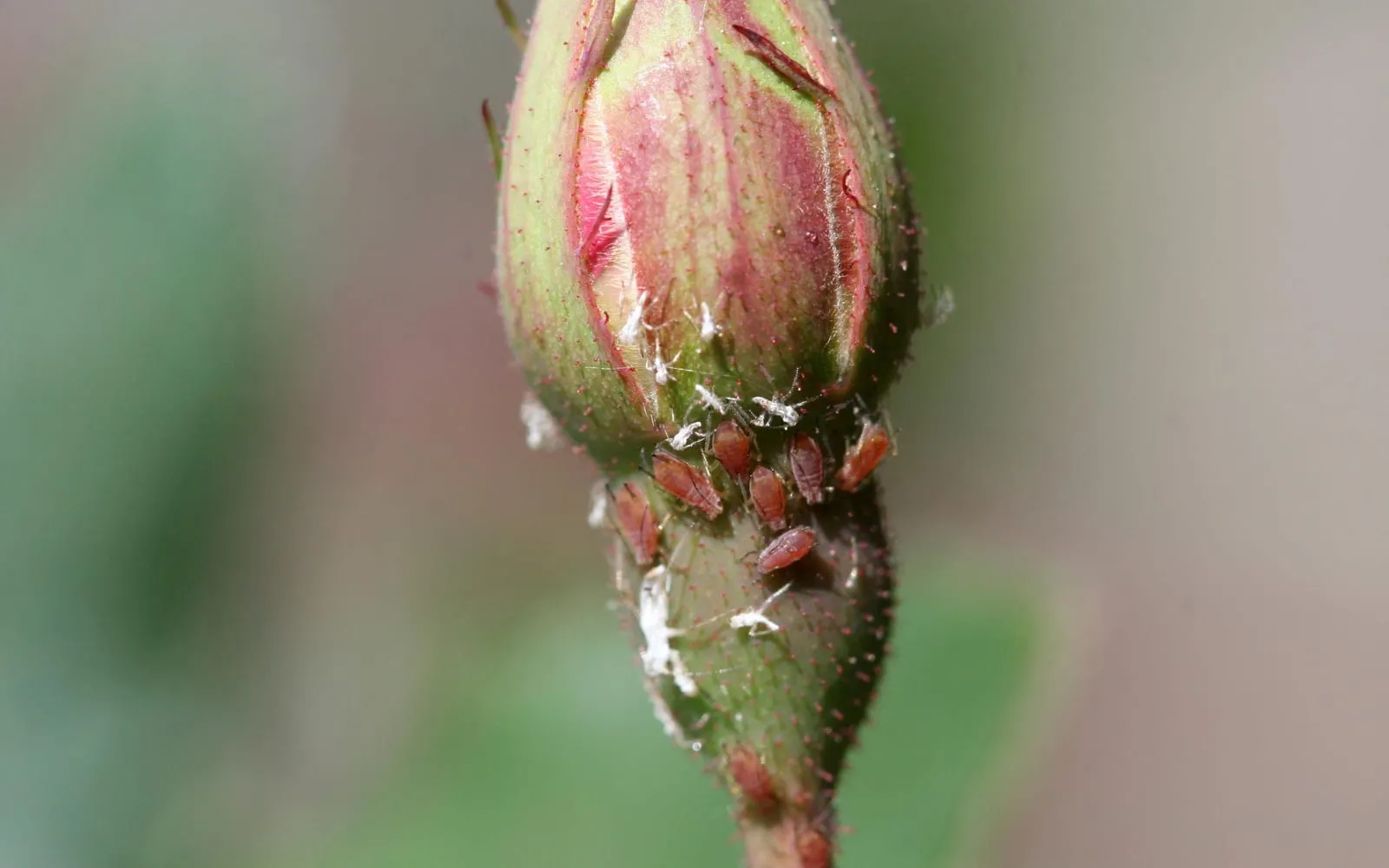 Aphids
Photo by Whitney Cranshaw, Colorado State University, CC BY 3.0 us. Resized from the original. 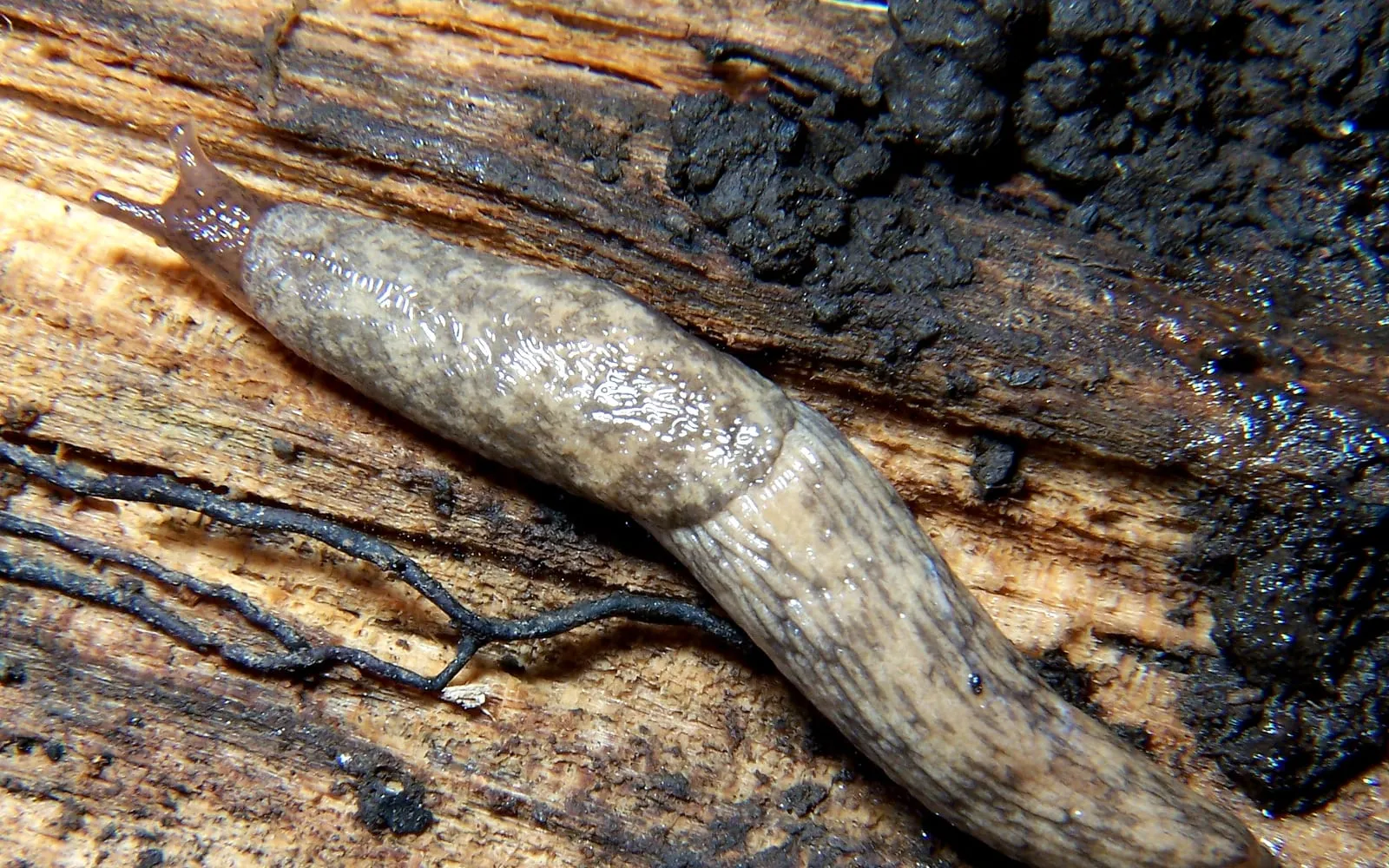 Slugs and snails
Photo by Bruce Marlin, CC BY-SA 3.0. Resized from the original. 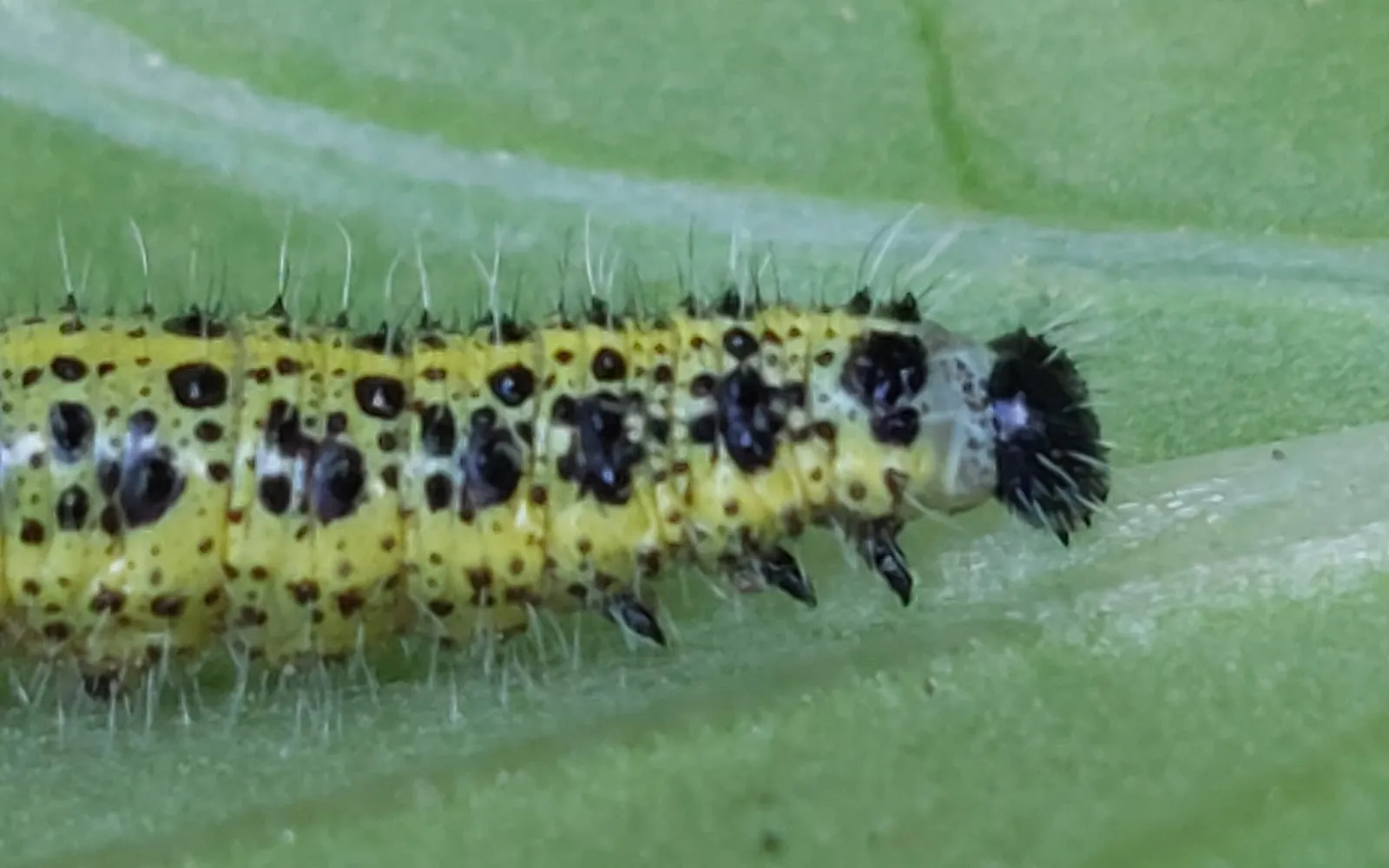 Caterpillars
Photo by Schlaghecken Josef, CC BY-SA 4.0. Resized from the original. 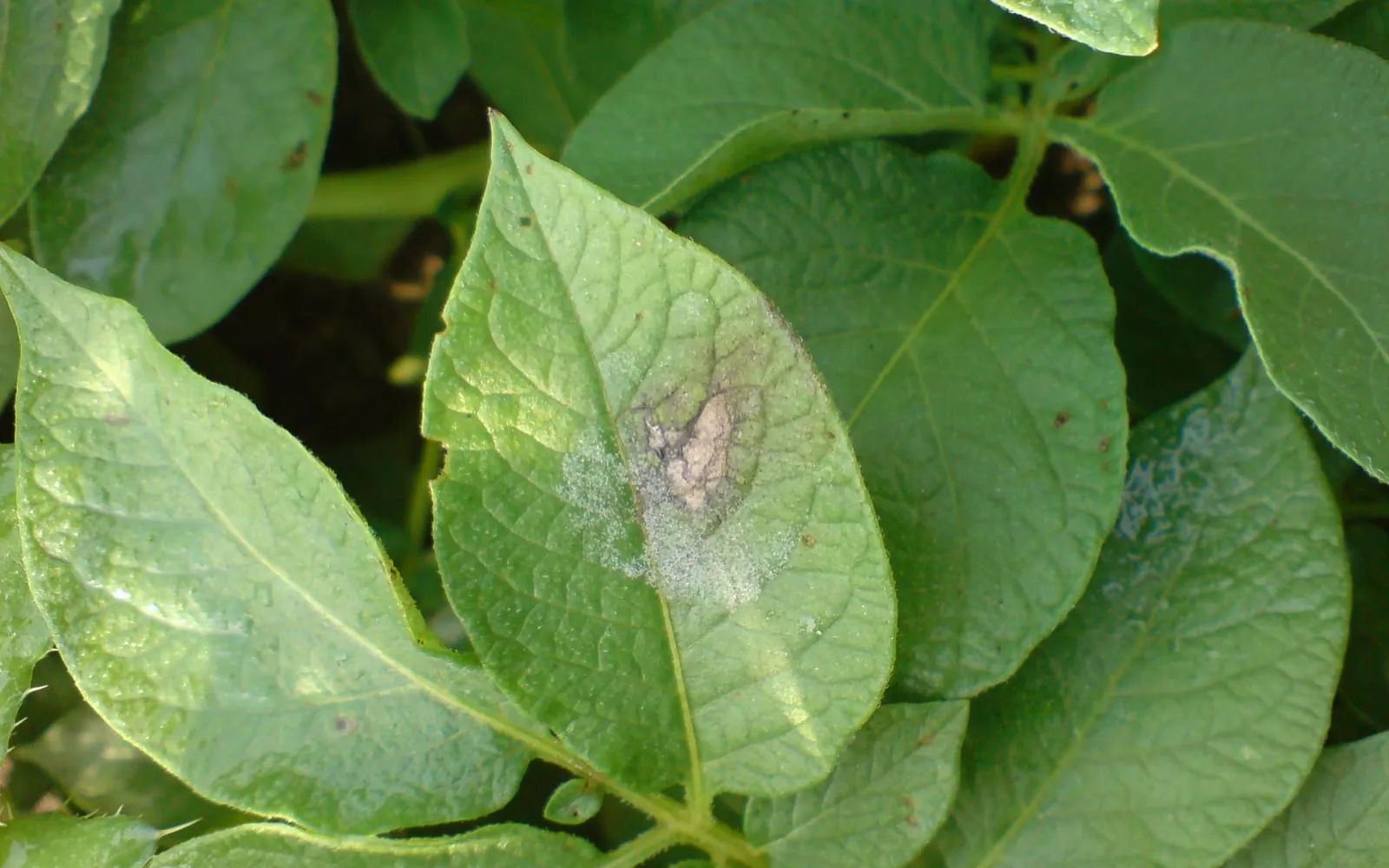 Blight
Photo by Bjorn Andersson (SLU), CC BY-SA 4.0. Resized from the original. 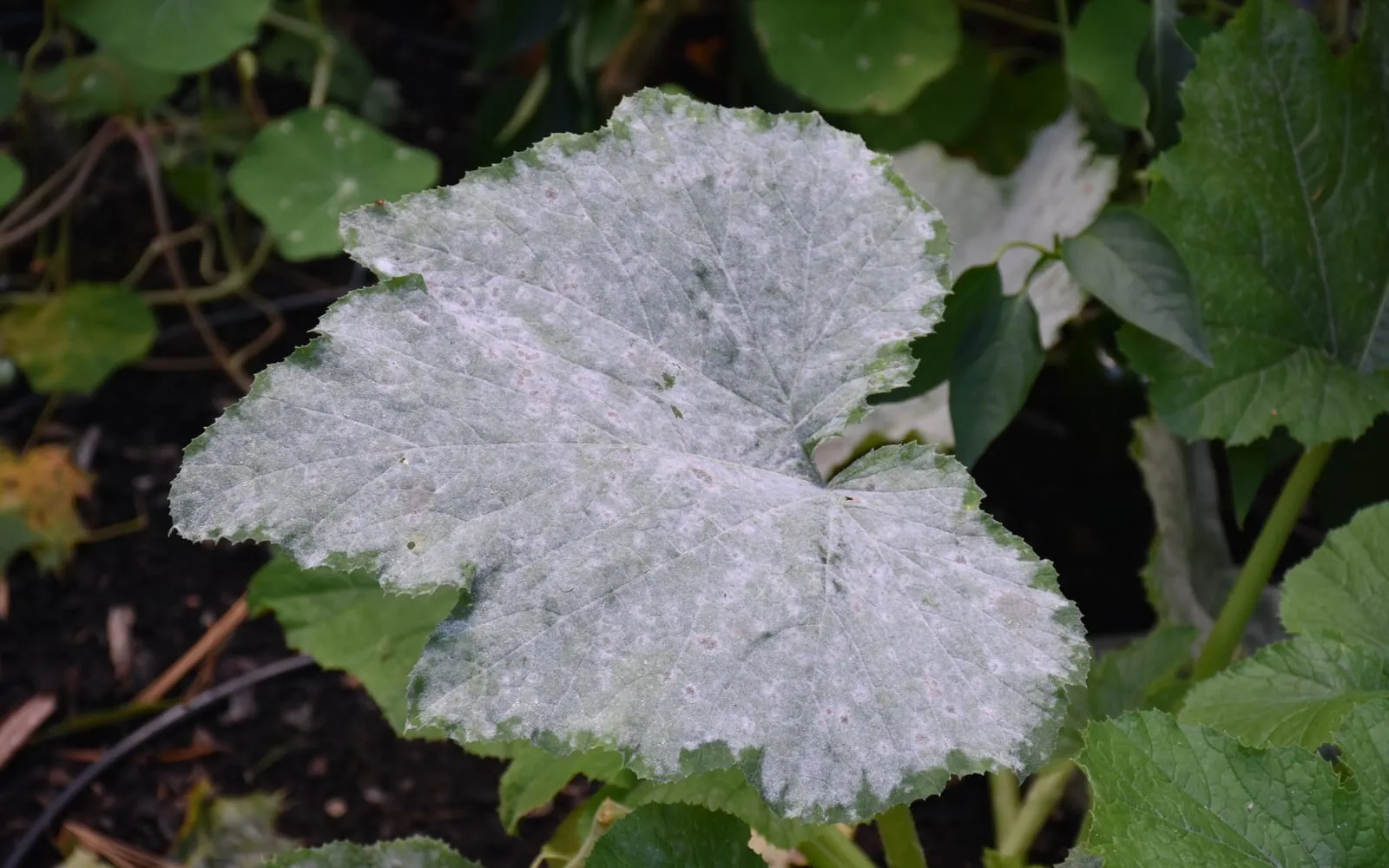 Powdery mildew
Photo by Dmitry Brant, CC BY-SA 4.0. Resized from the original. 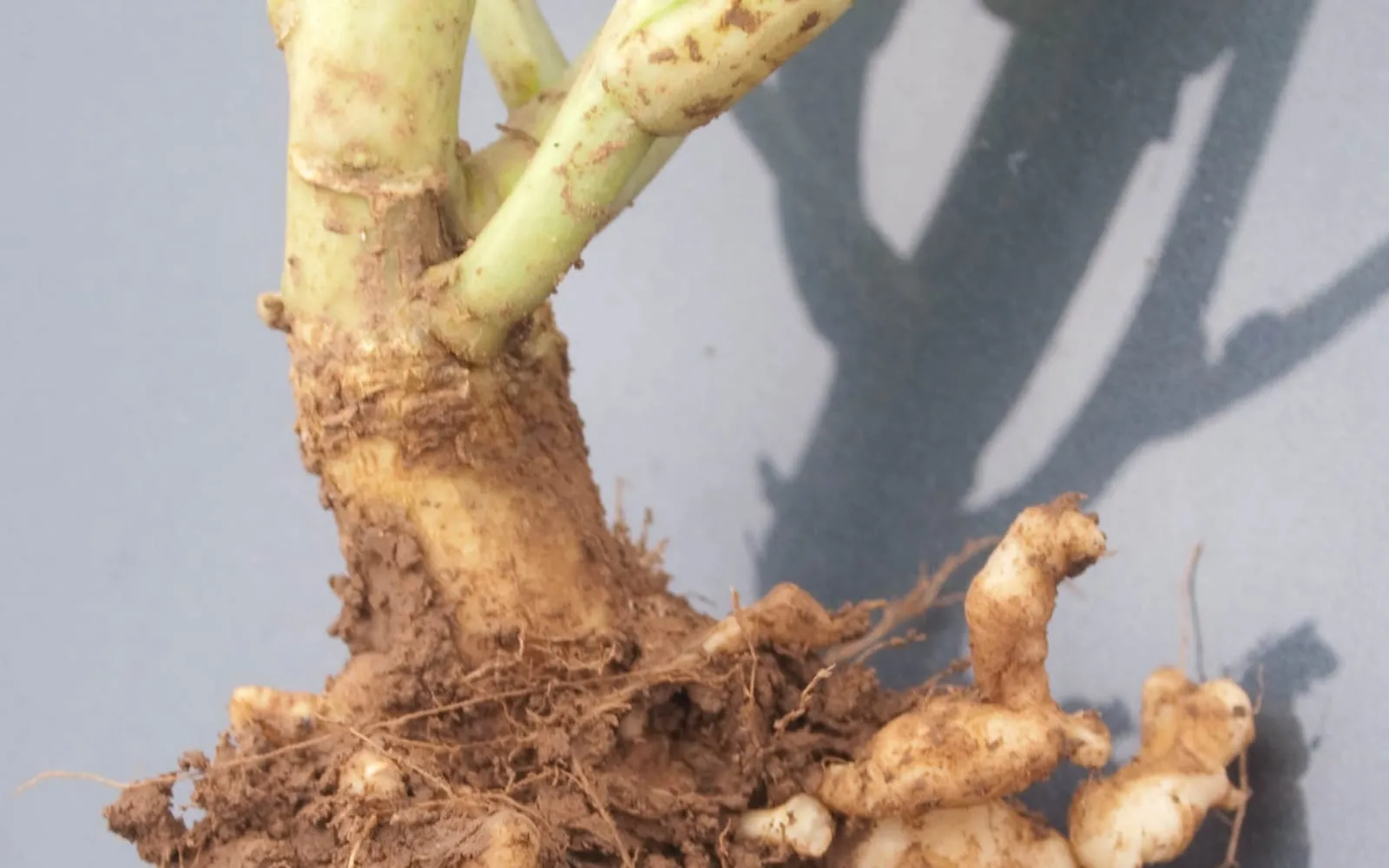 Clubroot
Photo by Leafhopper65, Public domain. Resized from the original.
When allotment problems appear
Most of these problems are seasonal. This calendar shows when each one is usually noticeable on a typical UK allotment. Region, weather and planting time all shift the timing, so use the bands as a guide rather than a fixed start date.
| Time of year | What to watch for |
|---|---|
| Early spring (March to April) | Slugs and snails, Flea beetles, Pea and bean weevil, Wireworms, Leatherjackets and chafer grubs, Wood pigeons |
| Late spring (May to June) | Aphids, Cabbage root fly, Carrot fly, Cutworms, Sawflies, Capsid bugs, Eelworm |
| High summer (July to August) | Caterpillars, Whitefly, Blight, Red spider mite, Powdery mildew, Clubroot, Potato scab |
| Autumn (September to October) | Leek moth, Downy mildew, Rust, Allium white rot, Slugs and snails, Vine weevil |
| Winter (November to February) | Wood pigeons, Whitefly, Grey mould |
Sap-sucking pests
These insects pierce leaves and stems and feed on sap. The first sign is often sticky honeydew rather than the insects themselves. A heavy infestation weakens growth and can pass viruses between plants, but a light one on an established crop may only need squashing by hand or washing off with water.
Aphids
Weakens the plantWatch on Broad beans, brassicas, roses and most soft growth
Green, black or grey aphids gather on soft growth, including broad bean tips and the undersides of brassica leaves. They breed quickly in late spring and leave sticky honeydew, which can grow black sooty mould. Most colonies can be squashed by hand or washed off with a hard jet of water, and ladybirds and hoverfly larvae often reduce the rest.
How to identify and deal with aphidsWhitefly
Weakens the plantWatch on Kale, sprouts, cabbage and other brassicas
Cabbage whitefly are tiny white insects that rise from the underside of a brassica leaf when it is disturbed. They overwinter on kale and sprouts and can keep feeding through winter, leaving honeydew and sooty mould on lower leaves. The outer leaves are usually worst affected, so the crop is often usable once those leaves are stripped and composted.
How to identify and deal with whiteflyRed spider mite
Destroys the crop or displayWatch on Beans, cucumbers, aubergines and tunnel crops
Red spider mite does most harm in hot dry air, especially under glass and on beans, cucumbers and aubergines in a polytunnel. Leaves develop fine pale speckling, then dry and turn bronze. A heavy attack can leave faint webbing over the shoot tips. Higher humidity and steady watering slow it down.
How to identify and deal with red spider miteCapsid bugs
CosmeticWatch on Potatoes, beans, currants and dahlias
Capsid bugs are quick green insects that feed on young leaves and shoot tips. The damage shows later as small ragged holes with brown edges across the opened leaf. Potatoes, beans, currants and dahlias are often affected. The leaves can look rough, but the plant usually grows on without treatment.
How to identify and deal with capsid bugs
Leaf and crop eaters
These pests cause obvious damage, from stripped seedlings to holed cabbages. Some feed at night and hide by day, so use the damage, slime trails or droppings to identify them. Barriers work best when they are in place before the crop is at risk.
Slugs and snails
Destroys the crop or displayWatch on Seedlings, salad leaves, potatoes and beans
Slugs and snails feed after dark and in wet weather. They can strip seedlings, salad leaves and hostas down to the stalk overnight. Look for slime trails on the soil and pots in the morning. Protect young plants with barriers and check for slugs in the evening.
How to identify and deal with slugs and snailsCaterpillars
Destroys the crop or displayWatch on Cabbage, kale, sprouts and other brassicas
Cabbage white caterpillars hatch from yellow eggs on the undersides of brassica leaves. They feed from midsummer and can bore into cabbage hearts. Yellow-and-black caterpillars feeding in groups are large whites; green caterpillars feeding alone are small whites. Squash eggs when you find them, and cover the bed with fine netting before butterflies lay.
How to identify and deal with caterpillarsFlea beetles
Destroys the crop or displayWatch on Rocket, radish, turnip and brassica seedlings
Flea beetles make dozens of small round holes in rocket, radish, turnip and brassica seedlings. A bad attack can check or kill a young row. The tiny dark beetles jump away when your hand moves over them. They are worst in warm dry spells on slow-growing seedlings, so water well and cover with fleece until the plants are larger.
How to identify and deal with flea beetlesPea and bean weevil
CosmeticWatch on Peas and broad beans
Pea and bean weevils cut neat U-shaped notches from the leaf edges of peas and broad beans in spring. On a strong plant the damage is mostly cosmetic, but on a cold slow seedling it can hold growth back. Sow once the soil has warmed so seedlings grow away quickly.
How to identify and deal with pea and bean weevilSawflies
Weakens the plantWatch on Gooseberries, currants and Solomon's seal
Sawfly larvae look like caterpillars and feed in the same way. They can strip gooseberries, currants and Solomon's seal from the middle of the plant outward, sometimes leaving bare stems within a few days. Count the fleshy legs to tell them apart: sawfly larvae have more pairs than moth caterpillars. Check the middle of the bush from late spring and pick them off early.
How to identify and deal with sawfliesWood pigeons
Destroys the crop or displayWatch on Brassicas, peas and beans
Wood pigeons strip brassicas through winter and damage pea and bean seedlings in spring. They leave ragged leaves and bare stalks, with no slime trail and no caterpillar droppings. A flock can clear a bed of greens quickly. Netting or a fruit cage is the most reliable protection.
How to identify and deal with wood pigeonsLeek moth
Destroys the crop or displayWatch on Leeks, onions and garlic
Leek moth has spread widely in recent years. Its caterpillars mine into the leaves and stems of leeks, onions and garlic, leaving whitish tunnels and windows. Damaged tissue can then rot. Two or three generations can occur from spring to autumn. Cover the row with mesh from planting, and clear and compost the crop debris the moth overwinters in.
How to identify and deal with leek moth
Common allotment diseases
Fungi, water moulds and bacteria spread fastest where leaves stay wet and air movement is poor. Disease is often worse when plants are crowded and the weather is warm and damp. Several of these diseases have no cure once the plant is infected, so the detailed pages focus on prevention and resistant crops rather than sprays that will not help.
Blight
Destroys the crop or displayWatch on Potatoes and outdoor tomatoes
Late blight often ends the outdoor tomato and maincrop potato season. It strikes in warm humid spells from midsummer, browning and collapsing the foliage within days and rotting the tubers and fruit. There is no cure once it arrives, so grow resistant varieties, space plants for airflow, and lift potatoes before a bad attack reaches them.
How to identify and deal with blightPowdery mildew
Weakens the plantWatch on Courgettes, squash, peas and marrows
Powdery mildew puts a white dusty coating on courgette, squash, pea and marrow leaves from late summer. It is worst on plants that have run short of water at the root. It seldom kills an established crop, but it shortens the season and slows growth. Keep plants watered and mulched, and remove the worst leaves to slow it down.
How to identify and deal with powdery mildewDowny mildew
Destroys the crop or displayWatch on Onions, brassicas, lettuce and spinach
Downy mildew causes angular yellow patches on the upper leaf, with greyish mould underneath. It affects onions, brassicas, lettuce and spinach in cool wet weather. It is a water mould rather than a true fungus, so it spreads in damp conditions and often returns in the same weather. Wider spacing, crop rotation and clearing old leaves help reduce it.
How to identify and deal with downy mildewClubroot
Destroys the crop or displayWatch on Cabbage, cauliflower, sprouts and swede
Clubroot swells brassica roots into distorted clubs, so the plant wilts by day and never bulks up well. The organism survives in the soil as resting spores for twenty years, so an affected plot needs long-term management rather than a cure. Lime the ground to lift the pH, rotate brassicas as widely as the plot allows, and raise strong plants in pots before planting out.
How to identify and deal with clubrootRust
Weakens the plantWatch on Leeks, garlic, beans and mint
Rust appears as raised orange, brown or dark pustules on the undersides of leaves. Different rusts affect leeks, garlic, beans and mint. Rust marks the crop and weakens growth, but it often does not kill the plant outright. Space and rotate crops to keep air moving, water at the root rather than over the leaves, and clear infected material off the plot.
How to identify and deal with rustGrey mould
Destroys the crop or displayWatch on Strawberries, tomatoes, lettuce and soft growth
Grey mould, or botrytis, is the fuzzy grey-brown growth that rots soft fruit, ripening tomatoes and wounded or dying tissue in cool damp conditions. It can move from dead leaves and spent flowers into healthy growth, so it is worse in crowded, poorly ventilated tunnels. Pick affected parts off into a bag, improve the airflow, and prune cleanly.
How to identify and deal with grey mouldPotato scab
CosmeticWatch on Potatoes
Common scab causes rough corky patches on potato skins. It is worst on light limey soils in a dry season. The damage is only on the skin, and the tubers peel and eat well, so it is a cosmetic fault rather than a threat to the crop. Water in dry spells as the tubers form, work in plenty of organic matter, and choose resistant varieties on affected plots.
How to identify and deal with potato scabAllium white rot
Destroys the crop or displayWatch on Onions, garlic, leeks and shallots
White rot is the most serious disease of the onion family. It rots the base of the bulb and spreads a fluffy white mould with tiny black resting bodies over the roots. Those bodies survive in the soil for many years, so an infected plot stays infected. Lift and bin affected plants, never move soil or bulbs off the bed, and rest the ground from alliums for as long as you can.
How to identify and deal with allium white rot
Soil and root pests
These pests feed out of sight, so you often see wilting or collapse before you see the pest. The top growth may look fine until you lift the plant. Bare, recently grassed or weedy ground often has more of them, so a first-year plot can suffer worst. Digging the soil over in autumn exposes many grubs.
Wireworms
Destroys the crop or displayWatch on Potatoes, carrots, onions and seedlings
Wireworms are the thin, tough, orange-brown larvae of click beetles. They bore narrow tunnels through potatoes and into carrots, onions and seedling stems. They are worst in the first few years after grass is dug up, and they fade as the ground is worked. Lift maincrop potatoes promptly so the tunnelling does not spread, and dig the plot over in autumn to expose them.
How to identify and deal with wirewormsLeatherjackets and chafer grubs
Destroys the crop or displayWatch on Seedlings, brassicas and root crops
Leatherjackets are fat greyish legless crane fly grubs. They chew through roots and stem bases in spring, thinning seedbeds and leaving bare patches. They are most common on ground that was grass the year before. Fork the bed through in autumn and firm new seedlings in well so grubs cannot pull them under.
How to identify and deal with leatherjackets and chafer grubsVine weevil
Can kill the plantWatch on Strawberries and container plants
Vine weevil is worst in containers. The fat white C-shaped grubs eat the roots of strawberries, primulas and many potted plants until the plant lifts away with few roots left. The dull black adults notch leaf edges by night but do little real harm. Treat the grubs with the right nematode, and turn out suspect pots in spring or autumn to check for them.
How to identify and deal with vine weevilCutworms
Destroys the crop or displayWatch on Lettuce, brassicas and beetroot
Cutworms are the caterpillars of night-flying moths. They live near the soil surface and cut through the stems of young lettuce, brassicas and beet at ground level, making the plant collapse. Scratch the soil around a cut seedling and you may find the fat grey grub. Hoe regularly to expose them, keep weeds down, and protect important rows with collars.
How to identify and deal with cutwormsCarrot fly
Destroys the crop or displayWatch on Carrots, parsnips, celery and celeriac
Carrot fly larvae make rusty-brown tunnels just under the skin of carrots, parsnips and celery. The first sign above ground is often a reddish tinge to wilting foliage. The low-flying adults find the crop by scent, especially when you thin or lift it. Sow thinly to avoid thinning, and screen the bed with fine mesh or a low barrier.
How to identify and deal with carrot flyCabbage root fly
Destroys the crop or displayWatch on Brassica transplants and swede
Cabbage root fly maggots eat the roots of newly planted brassicas. The plant grows slowly, wilts in the sun and can pull straight out of the ground. Transplants and swedes are most at risk. Fit a collar of card or felt around each stem at planting to stop the fly laying eggs beside it, or cover the whole bed with mesh from planting day.
How to identify and deal with cabbage root flyEelworm
Destroys the crop or displayWatch on Potatoes, tomatoes and many vegetables
Potato cyst eelworm and root-knot nematodes are microscopic worms that attack roots from within. Affected potatoes or tomatoes grow poorly, yellow early and die back, with tiny cysts or knobbly galls on the roots. Numbers build the more often you grow the same crop, so rotation is the main defence. Grow resistant potato varieties and rest infested ground from the crop for several years.
How to identify and deal with eelworm
Preventing pests and diseases on an allotment
The best results come from preventing problems before they start. The same habits help against most of the pests and diseases above. None of them involves a spray, and together they usually do more than any single product.
Rotate what grows where
Move each crop family around the plot on a three or four year cycle to reduce the build-up of many crop-specific pests and diseases, and keep a simple plan of where each crop grew so the next year is easy to lay out. The most persistent soil diseases need more than rotation. Clubroot, and allium white rot in particular, can stay in the ground far longer than an ordinary rotation, so an affected plot needs long-term management and strict hygiene.
Cover the vulnerable crops
Fine mesh and horticultural fleece keep carrot fly, flea beetle, cabbage white butterflies and pigeons off vulnerable crops. A physical barrier is reliable because it stops the pest reaching the plant. Put it on before the crop is at risk, and weight the edges down so nothing can crawl underneath.
Make room for the predators
Ladybirds, hoverflies, lacewings, ground beetles, frogs and birds eat many common pests. A plot with flowers, a little cover and a pond supports more of them than a bare plot. A broad-spectrum spray kills predators as well as pests, so use one only as a last resort.
Feed the soil
A plant growing strongly in living, well-fed soil can tolerate pests and disease better than a struggling plant. Work in garden compost or well-rotted manure, mulch to hold moisture and feed soil life, and disturb the ground only when you need to. Good soil helps more than most treatments applied after damage appears.
Water and space for dry leaves
Most fungal and downy diseases spread when leaves stay wet. Water the soil rather than the foliage, and water in the morning so any splash dries by night. Give each plant the spacing it needs, so air can move through the crop and leaves dry quickly. Crowding encourages mildew and rot.
Walk the plot and act early
Look under leaves and along stems two or three times a week. You may catch an egg cluster or a first colony while it is still easy to deal with. Squash it, pick it off, or prune it out straight away. Almost every problem on this page is easier to control early.
Identify the problem before treating it. Many worrying marks are harmless or clear up once the plant is growing well. Act only when the damage is likely to matter. Start with prevention and physical or biological controls, and use sprays only as a last resort because they can kill helpful insects too.
Common questions
- Which pests and diseases are most common on an allotment?
- Aphids, slugs and snails, cabbage white caterpillars and flea beetles account for much of the pest damage. Blight, powdery mildew, downy mildew, clubroot and rust are among the diseases that recur most. Which ones matter most on your plot depends on what you grow and how wet your season is, but nearly every grower meets this core group.
- How do I control allotment pests without using pesticides?
- Most damage can be handled without a spray. Cover vulnerable crops with mesh or fleece, encourage predators by growing flowers and keeping a little cover, pick off or squash what you find on your rounds, and keep plants growing strongly in good soil. Use a spray only as a last resort. A broad-spectrum spray kills helpful predators as well as the pest.
- What is the difference between a pest, a disease and a disorder?
- A pest is an animal eating the plant, such as a slug or a caterpillar. A disease is an infection by a fungus, a water mould, a bacterium or a virus, such as blight or clubroot. A disorder is the plant responding to growing conditions, such as blossom end rot from irregular watering. Each one needs different handling, so the problems library sorts every page into one of those groups.
- When are allotment pests and diseases worst?
- Most build through the growing season. Slugs and aphids arrive with the soft growth of spring, caterpillars and mildews peak in high summer, and blight tends to strike in humid spells in July and August. A mild wet season favours slugs and fungal disease, while a hot dry one favours spider mite and flea beetle. Watch the weather to know which problems are most likely next.
Sources
Compiled from these authorities. Each linked problem page carries its own sources as well.
- RHS: Allotments, all you need to know
- RHS: Crop rotation
- RHS: Club root
- RHS: Onion white rot
- RHS: Potato blight
- RHS: Slugs
- Defra: Outdoor use of metaldehyde to be banned
Reviewed by Matthew Moughtin
Last reviewed
Cannot see your problem here? Search the whole library, or start from what the plant is showing you.