
Disease
Clubroot
Plasmodiophora brassicae
Also called Finger and toe, Club root
Clubroot makes cabbages wilt in the sun and recover overnight, with roots swollen into clubs. It persists in soil for years, so liming, drainage, resistant cultivars and strong transplants matter more than treatment.
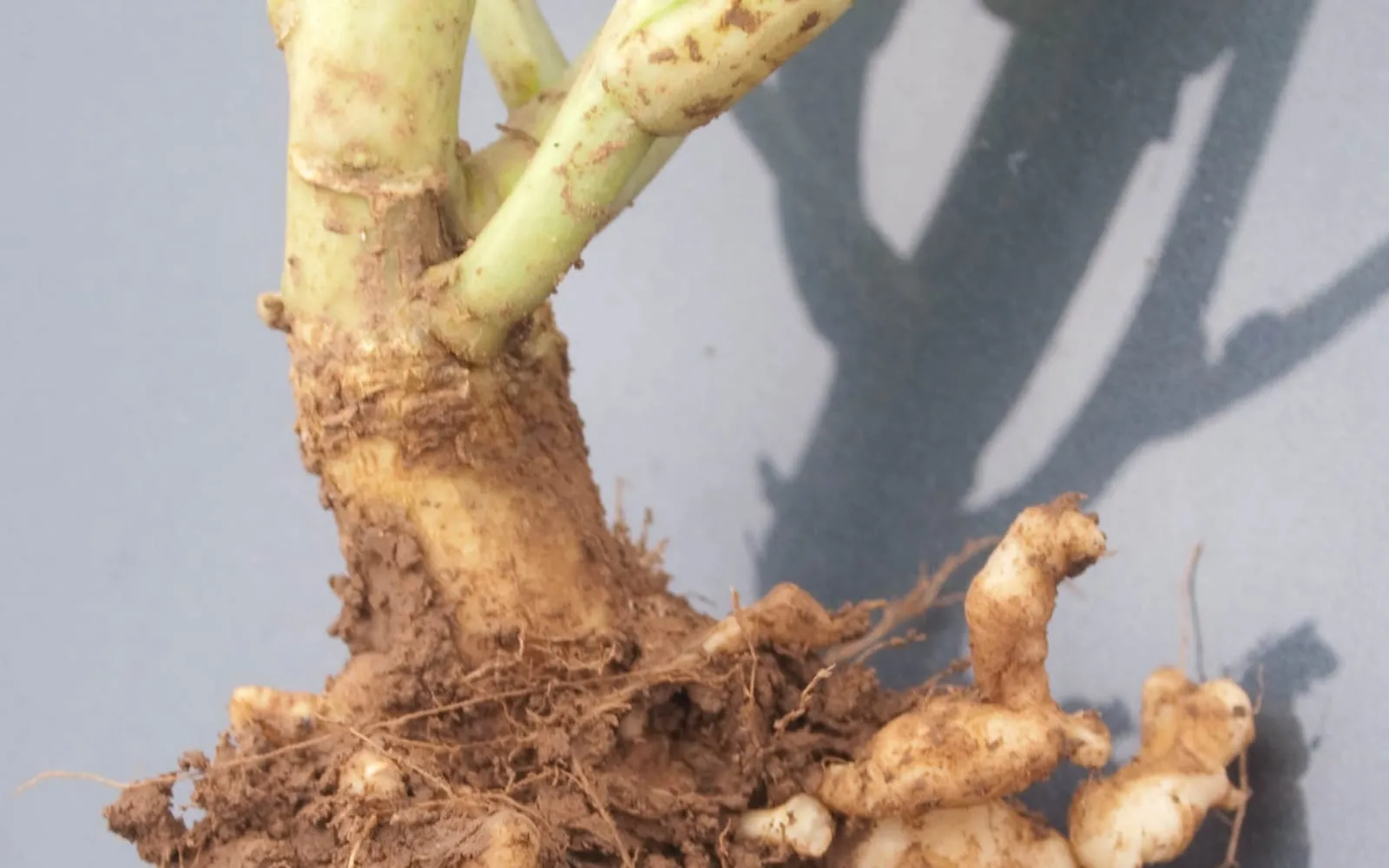
At a glance
- Type
- Disease
- Cause
- Protist (slime mould)
- Severity
- Destroys the crop or display
- Affects
- Herbs and edibles, Garden plants
- Active
- All year
- Established in
- Worldwide
What you are seeing
- Roots swollen into clubs, spindles or a knobbly mass of white fingers
- Plants wilting on a warm afternoon and standing up again overnight
- Stunted growth, with plants half the size of their neighbours in the same row
- Leaves taking on a purple or yellow cast and the oldest ones dropping
- Cabbages failing to heart and cauliflowers making no curd
- Swollen roots turning brown, soft and foul-smelling by autumn
Before you treat anything
Nothing here is harmful to people. Garden lime is caustic to skin and eyes, so wear gloves and eye protection and keep children and pets off the bed until it has been watered in.
What you are looking at
A cabbage wilts flat on a warm afternoon and is standing up again by breakfast. It stays smaller than the plants either side of it, the older leaves take on a purple or yellow tinge and drop, and it never hearts up.
Dig one out and the answer is in your hands. The roots are swollen into clubs, spindles or a knot of white fingers, several times the thickness they should be, with the fine feeding roots missing. Later in the season those swellings go brown, collapse and smell.
Every brassica is at risk. Cabbage, cauliflower, calabrese, Brussels sprouts, kale, swede, turnip, radish and oriental greens all get it, along with garden wallflowers, stocks and candytuft, which is how it reaches a flower border.
Why the plant cannot drink
The swellings are the plant’s own root cells, made to divide and enlarge by an organism living inside them. What grows is a mass of tissue with no working plumbing. Water cannot be pulled up through it fast enough to supply the leaves, so the plant wilts whenever the sun is out and recovers when demand falls at night. That afternoon wilt on damp soil is the symptom to act on.
The cause is neither a fungus nor a water mould. Plasmodiophora brassicae is a plasmodiophorid, closer to slime moulds and amoebae than to anything a fungicide was designed for, and that is one reason nothing sprayed makes any difference.
The other reason is where it lives. Resting spores sit in the soil, and they stay alive there for up to twenty years. A spore senses a brassica root hair, releases a swimming cell, and that cell needs a film of water to reach the root. Warmth, wet and acidity all help it. Nothing applied to the leaves reaches any part of this.
Nothing will clear the ground
No product available in Britain, to a gardener or to a farmer, will rid soil of clubroot. Rotation helps and does not cure, because twenty years outlasts any plot plan. Digging does nothing beyond spreading it.
The remaining controls work because they change the conditions around the crop. Lime the bed to pH 7 or above, drain it, and put out plants that were grown on in large pots until they had a substantial root system. Allotment holders with badly infected ground crop cabbages every year on exactly that combination. The plants are infected and they still fill out, because a big root system built in clean compost can support the top while the disease works on it.
Resistant cultivars add to that rather than replacing it. Rotate between them, since resistance that is leant on every season stops working.
What to do about it
Test the pH and lime in autumn for a crop the following year, aiming at 7.0 to 7.5. Keep the lime off the ground that will grow potatoes.
Sow into modules and pot on twice, so plants go out from two-litre pots with a full root ball.
Choose resistant cultivars where you can find them and change which one you grow.
Improve drainage on any bed that holds water after rain.
Pull the wild brassica weeds, particularly shepherd’s purse and charlock.
Lift every root at the end of the season, bag it and bin it. Do not compost it.
Wash boots, tools and barrow wheels before moving to clean ground, and refuse brassica plants raised in anyone else’s soil.
Where the ground has beaten you, grow brassicas in tubs of bought compost stood on a hard surface.
What it gets mistaken for
Cabbage root fly kills young plants outright and leaves roots that have been eaten away to ragged stumps, with white legless maggots among them. Clubroot leaves swollen roots and no insects.
Root rots and waterlogging leave roots dark, soft and thinner than they should be. Clubroot makes them fatter.
Drought wilts a plant that recovers after watering and stays recovered. Clubroot wilts again the following afternoon on wet ground.
Nitrogen shortage yellows the oldest leaves and stunts growth without touching the roots, and it responds to a feed within a fortnight.
Root knot nematode produces small beaded swellings on the fine roots of tomatoes and other crops under glass. On outdoor brassicas in Britain, clubbed roots are clubroot.
What to do, in order
Nothing available to a gardener will cure this once a plant has it. The steps below are about limiting the spread and deciding what to plant in its place.
Start here
Prevention, and the changes that stop the problem returning. Most of these pages should end at this tier.
- Lime the ground to bring it to pH 7 or above
- The organism is held back sharply by alkaline soil. Test the plot, apply garden lime the autumn before a brassica crop, and aim for pH 7.0 to 7.5. This suppresses the disease rather than removing it, and it is the single most effective thing available. Keep lime away from potatoes in the same rotation, which get scabbier as pH rises.
- Improve the drainage
- Wet warm soil is what the swimming spores need to reach a root hair. Raised beds, added organic matter and a broken-up pan all cut infection on the same ground. Land that puddles after rain will always grow the worst brassicas.
- Raise plants in large pots before planting out
- A brassica moved out of a two-litre pot with a big root system already built can outrun the infection and crop, where a module-raised seedling planted into the same bed will not. Pot on twice rather than once. This is what allotment holders with infected plots use to keep growing cabbages at all.
- Grow resistant cultivars, and rotate those too
- Cabbage 'Kilaton' and 'Kilaxy', cauliflower 'Clapton' and swede 'Marian' carry resistance. It is partial and it can break down where the same cultivar is grown on the same ground year after year, so alternate them rather than settling on one.
- Weed out the wild brassicas
- Shepherd's purse, charlock and wild mustard all host the disease and keep it topped up between crops. A weedy plot maintains its own infection whatever the rotation says.
- Rotate as long as you can, and expect it to help rather than cure
- Resting spores stay viable in soil for up to twenty years, so no garden rotation outlasts them. A long gap between brassica crops keeps the spore load from building further, which is worth having, and it will not clean the ground.
- Grow brassicas in containers or bought compost
- Where a plot is heavily infected, a large tub of fresh compost stood on a hard surface grows kale, calabrese and cabbage without touching the soil at all. Do not stand it on the infected bed.
Then reach for a barrier
Netting, hand removal and water. Nothing here harms anything except the target.
- Lift and bin infected roots at the end of the crop
- Every club left in the ground breaks down and releases millions of resting spores. Fork the roots out whole, bag them for household waste or burn them, and keep them out of the compost heap and off the allotment path.
- Keep the soil where it is
- The disease travels on boots, barrow wheels, tools and the compost around a gifted plant. Scrape and wash boots after working an infected bed, keep one fork for that plot, and never accept brassica plants raised on someone else's allotment. Most gardens that have clubroot were given it.
In pictures
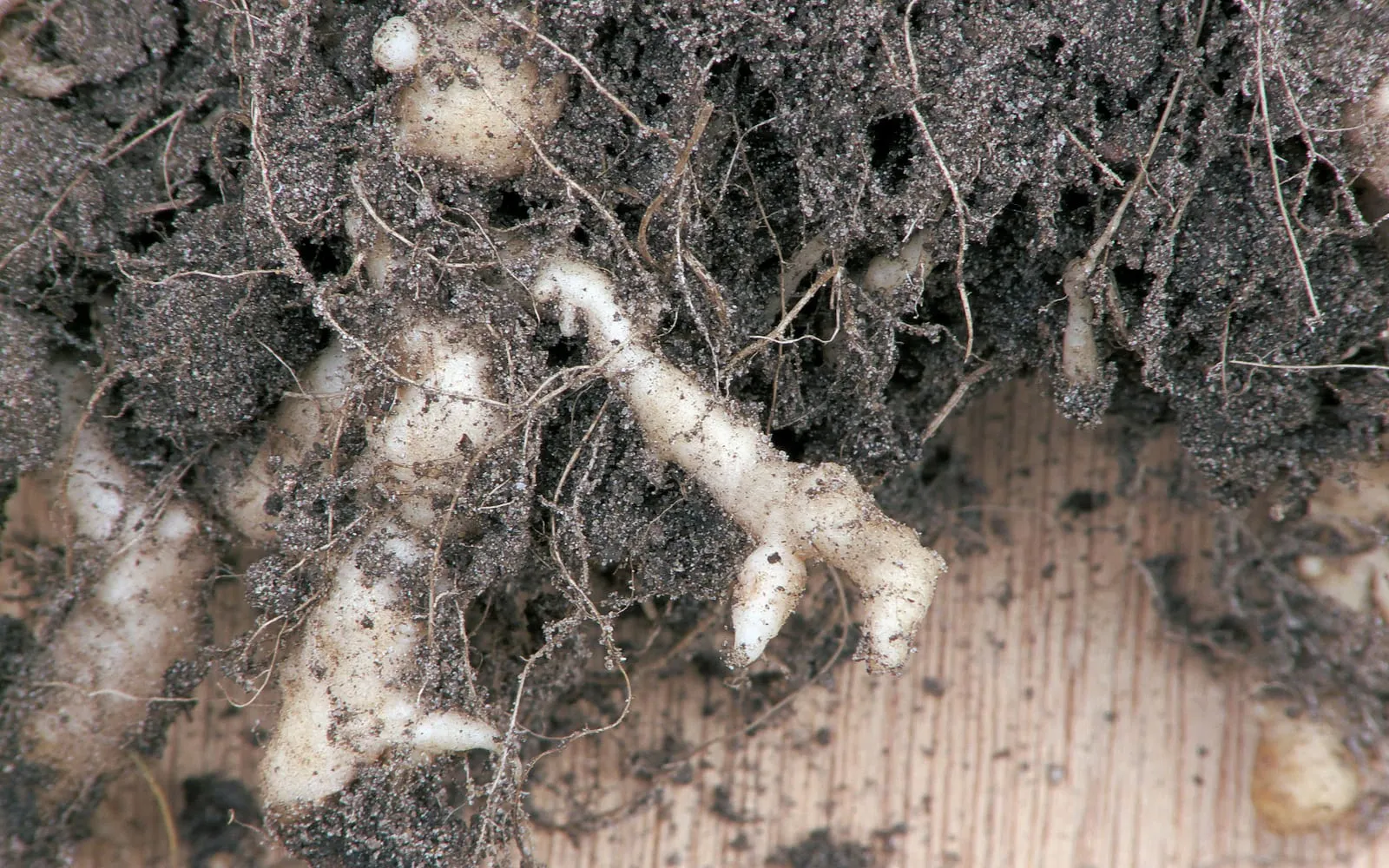
Plants affected
Guides that name it among the problems to watch for. The list is the plants it is characteristic of rather than everything it will feed on.
Common on UK allotments
This is one of the pests and diseases allotment growers meet most often. See it alongside the other common problems on the allotment guide.
Common allotment pests and diseases