
Stories
The longer version.
Pieces that did not fit in a care guide or a problem page. The history behind a plant, the argument behind a piece of advice, and the occasional organism that turns out to be food.
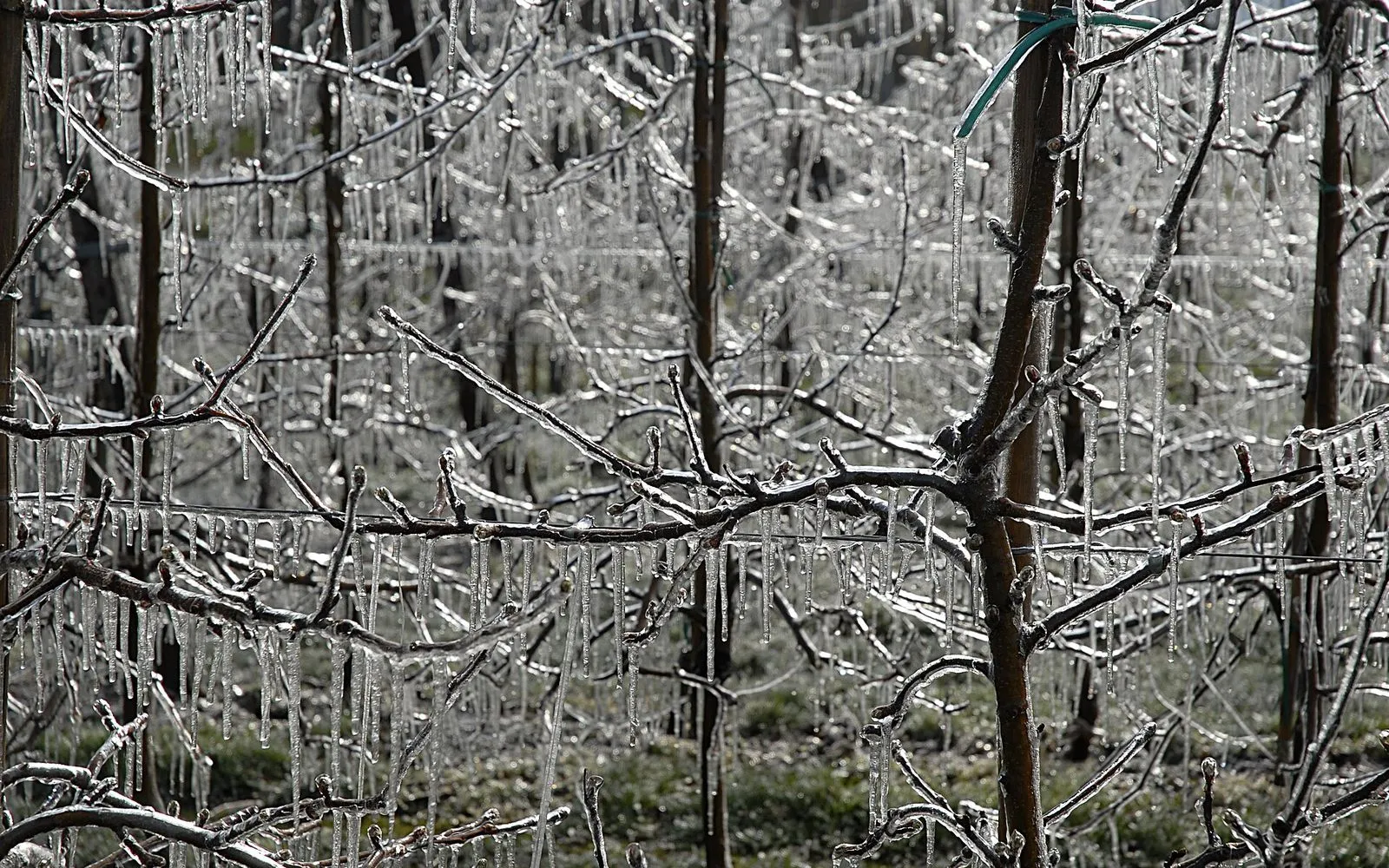
Protecting plants from late frosts: why warmer winters bring more frost damage
A mild winter followed by a spring frost can do more damage than a steadily cold one. Warm spells start growth early, and frost can still follow. Covers, siting and timing reduce the damage.
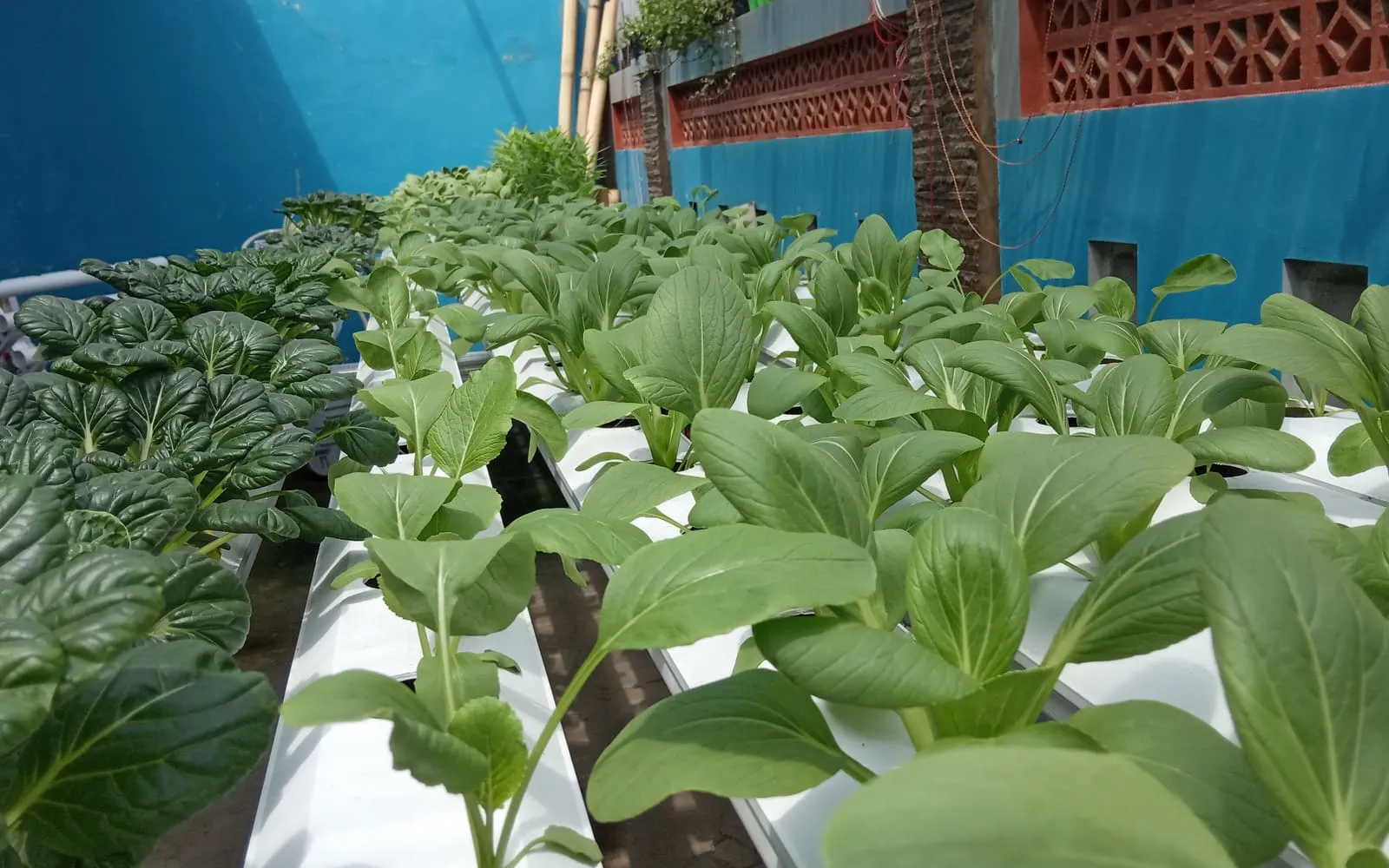
What is hydroponics? A beginner's guide
Hydroponics means growing plants in a nutrient solution instead of soil. Soil does three jobs for a plant. A hydroponic system has to take over all three, and once it does, plants grow quickly in nothing but water and dissolved feed.
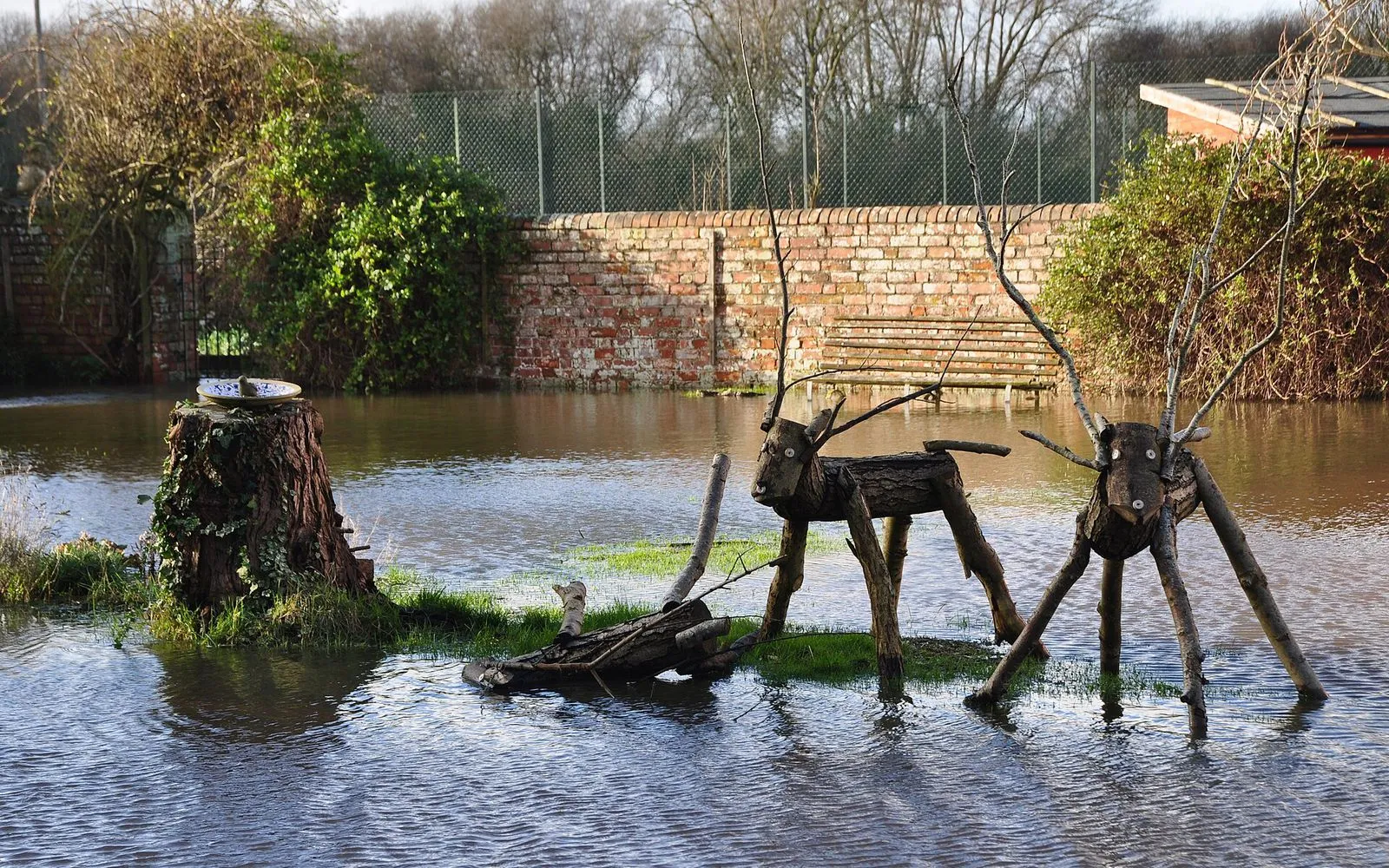
Gardening for heavy rain and flooding: draining, slowing and planting for wet
Rain is arriving in fewer, heavier bursts. Waterlogged soil drowns roots as surely as drought starves them. Improve drainage, slow runoff and choose plants that tolerate wet ground.
Overwatering vs underwatering: how to tell
Overwatered and underwatered plants both wilt and yellow, and the treatments are opposite. Check the soil before you water, soak thoroughly when it is dry, and let the pot drain.
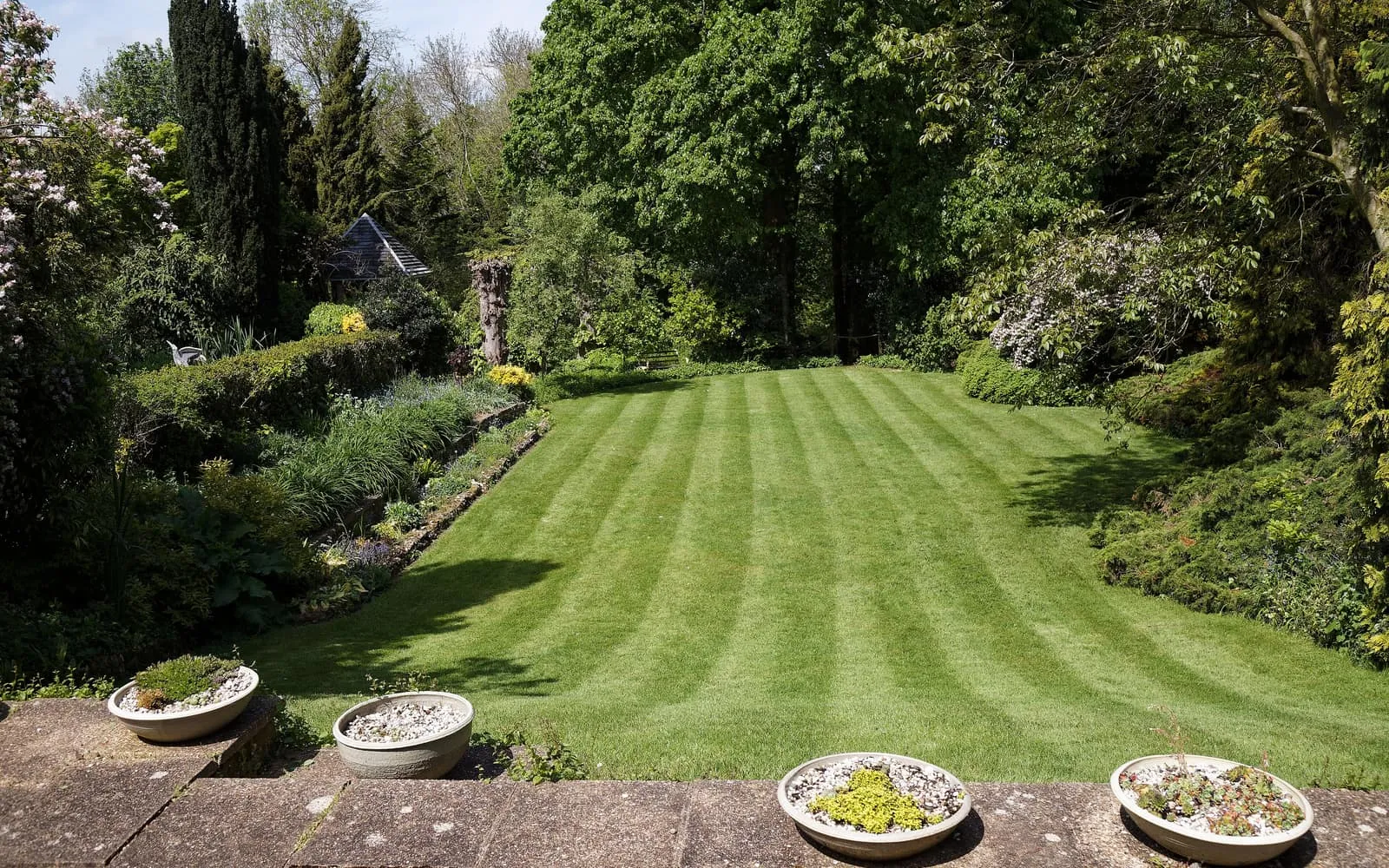
Lawn care by climate: grass, mowing and watering
Most lawn trouble comes from the wrong grass for the climate, or from the way it is mown and watered. Match the grass to your conditions, cut it high, water deeply and less often, and feed it while it is growing.
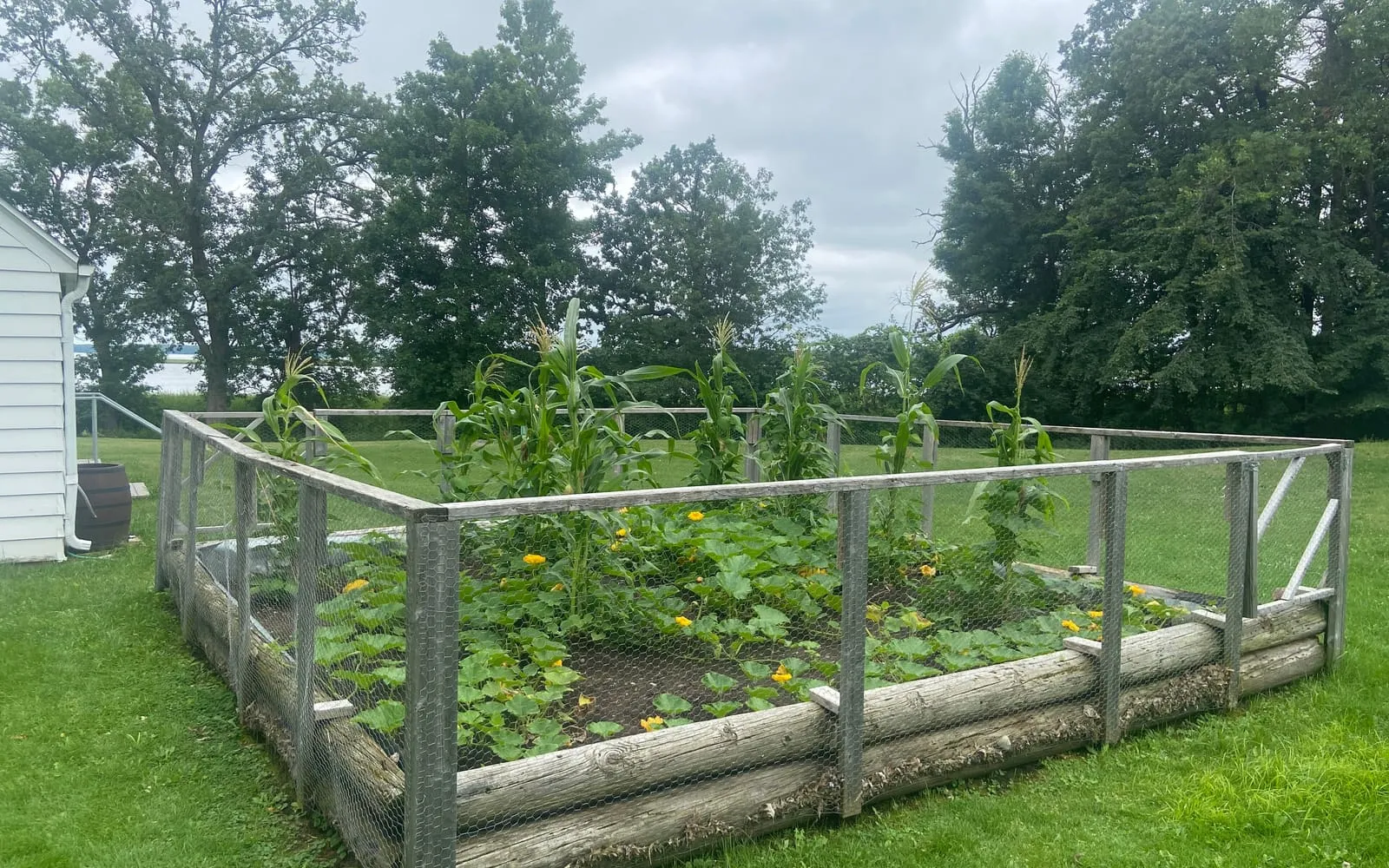
Companion planting: what works and what doesn't
Growing certain plants together can cover soil, bring in useful insects and give some pests another plant to settle on. Much of the traditional advice is untested, so it helps to know why a pairing might work.
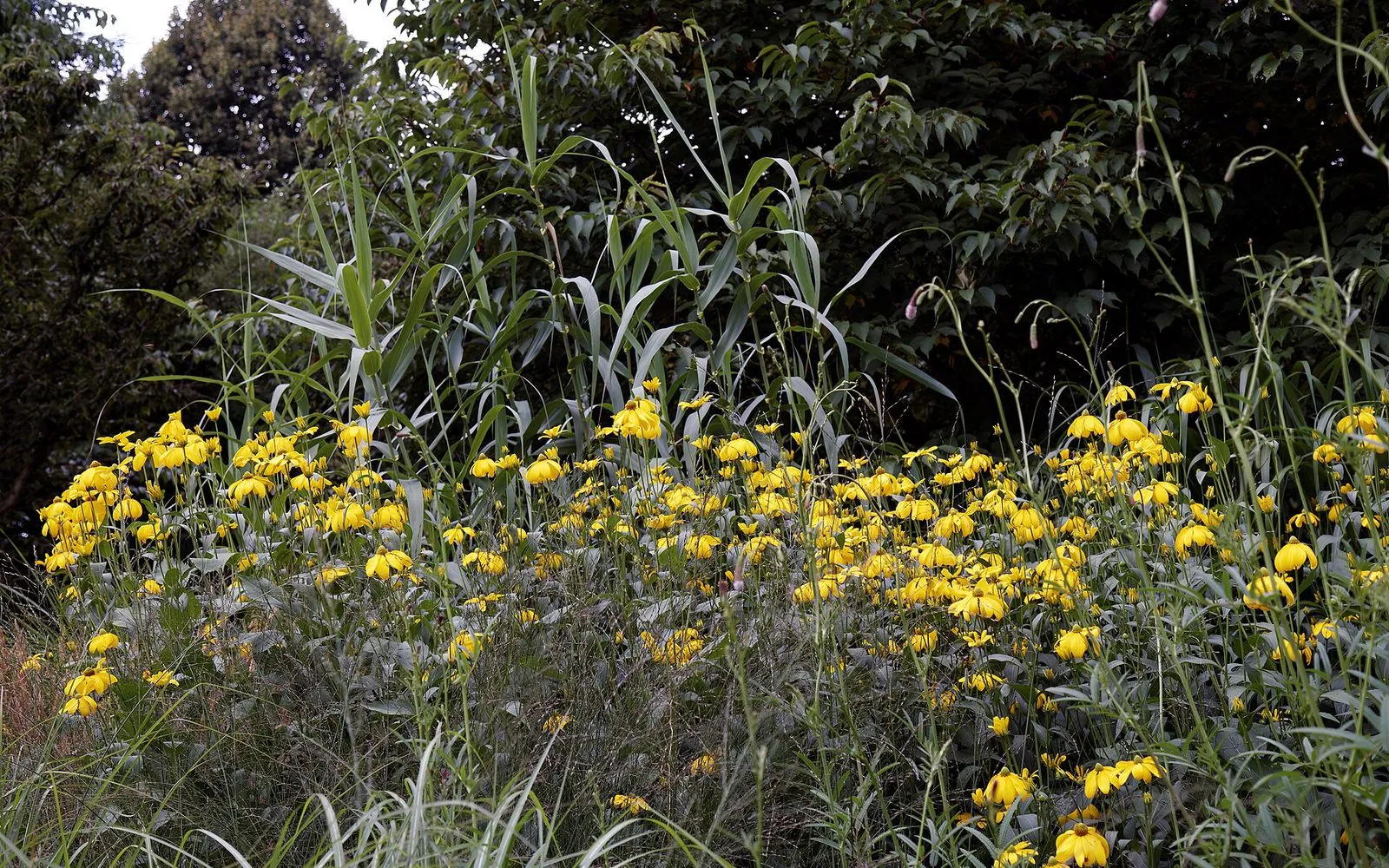
Drought-tolerant gardening: a garden that needs less water
A drought-tolerant garden is designed to need little added water, not merely planted with tough plants. Soil, mulch, watering habits and plant choice all play a part.
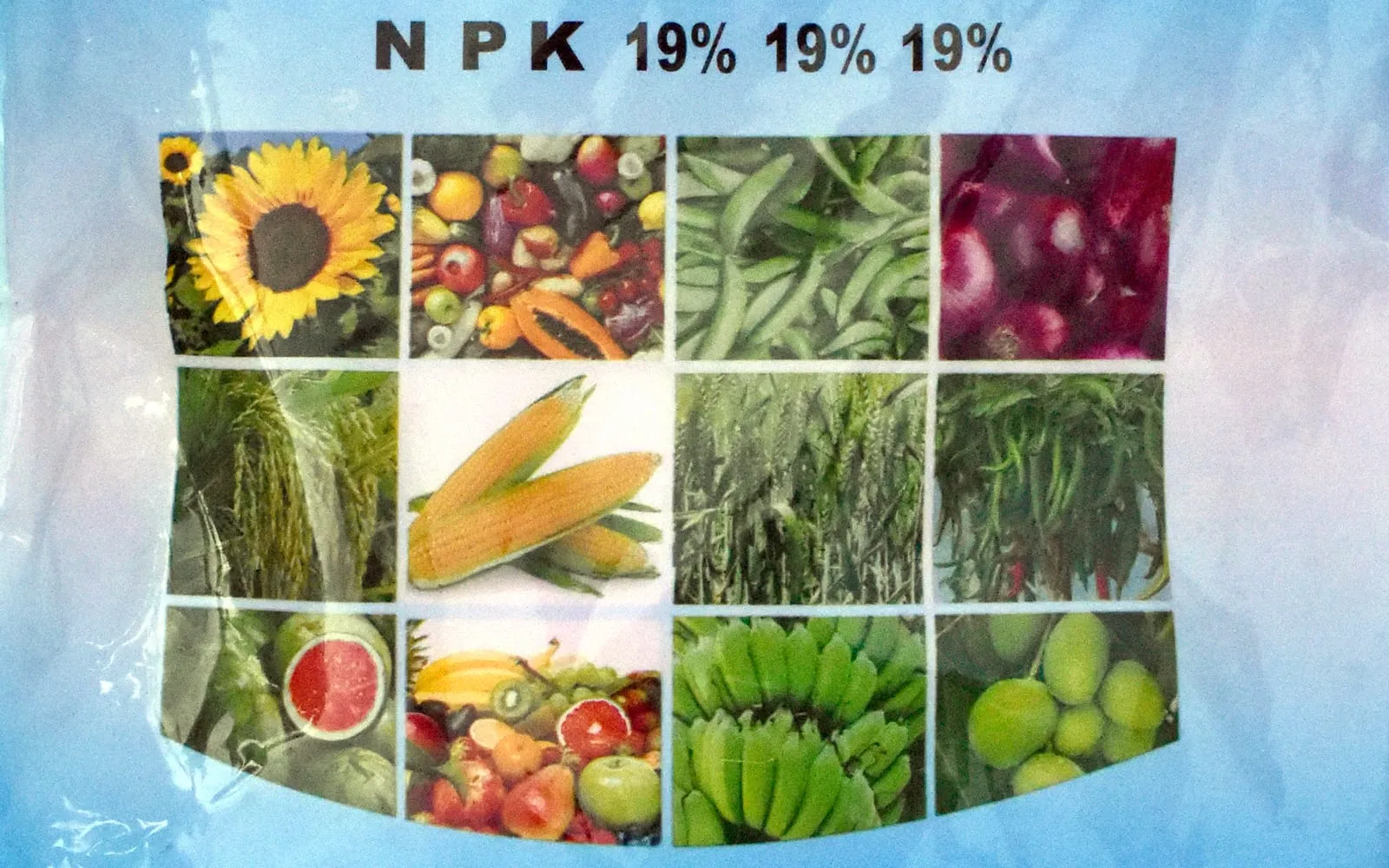
Fertilisers: what NPK means and which type to use
A fertiliser supplies the mineral nutrients a plant takes up through its roots. The three numbers on the bag are nitrogen, phosphorus and potassium, and most feeding decisions start with matching those numbers to the crop.
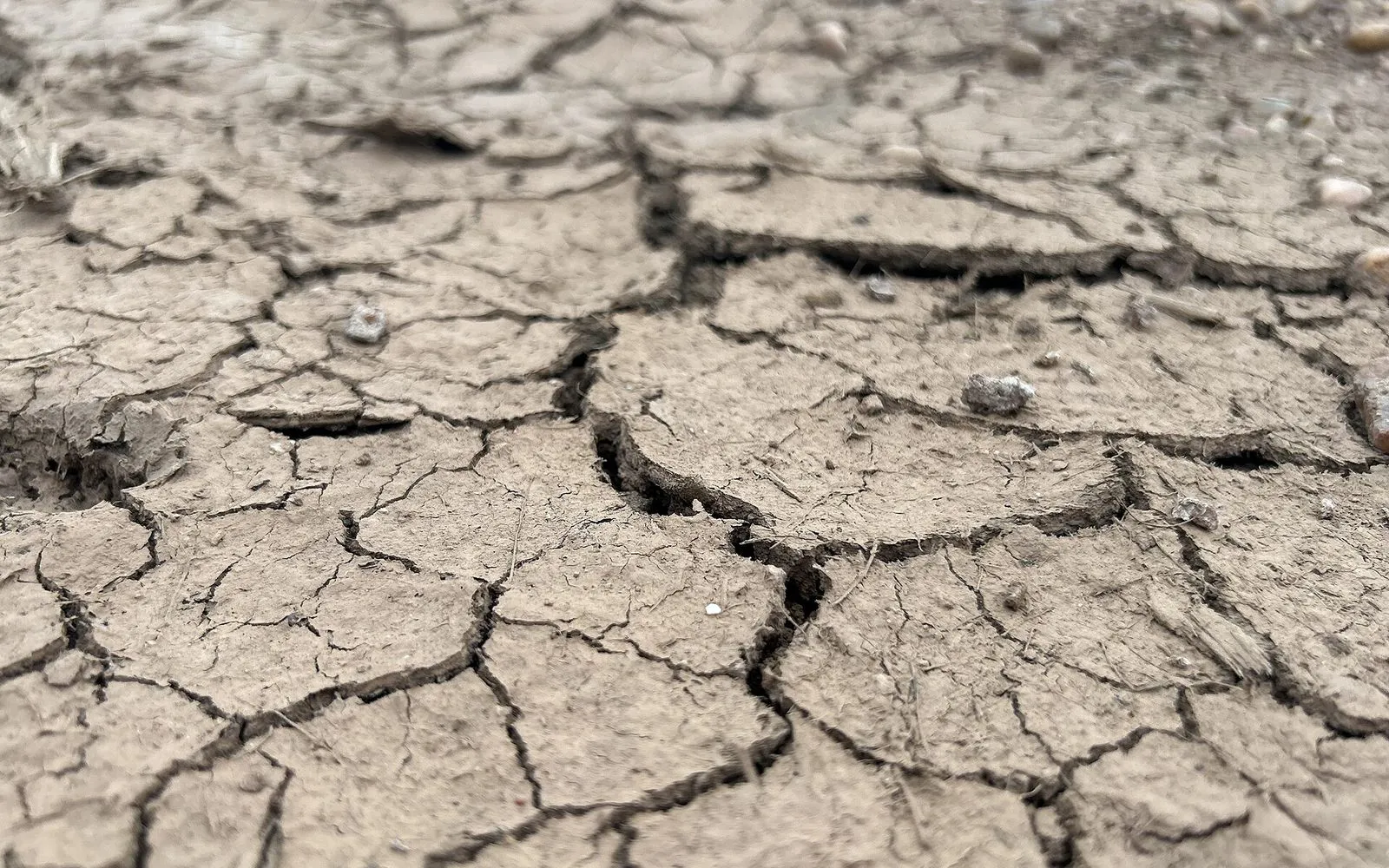
Gardening for extreme heat: keeping plants alive through a heatwave
A heatwave does more than dry the soil. Above certain temperatures a plant stops growing, drops its flowers and scorches at the leaf edge. Shade, deep watering and mulch help plants survive the hottest days.
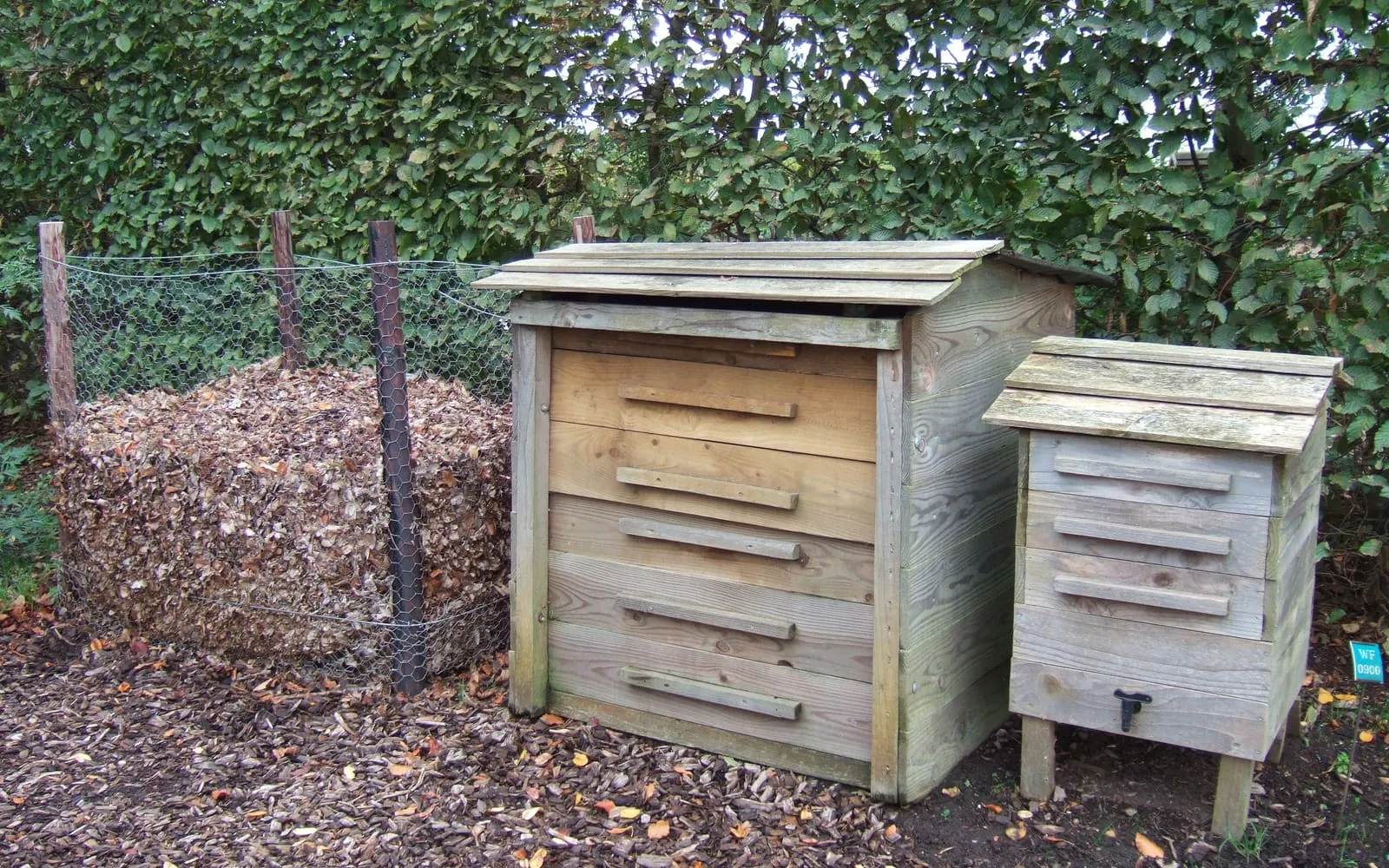
How to make compost at home
Good compost comes from feeding the organisms that rot plant waste. Balance soft green material with dry brown, keep the heap damp and airy, and give it enough bulk to warm up.
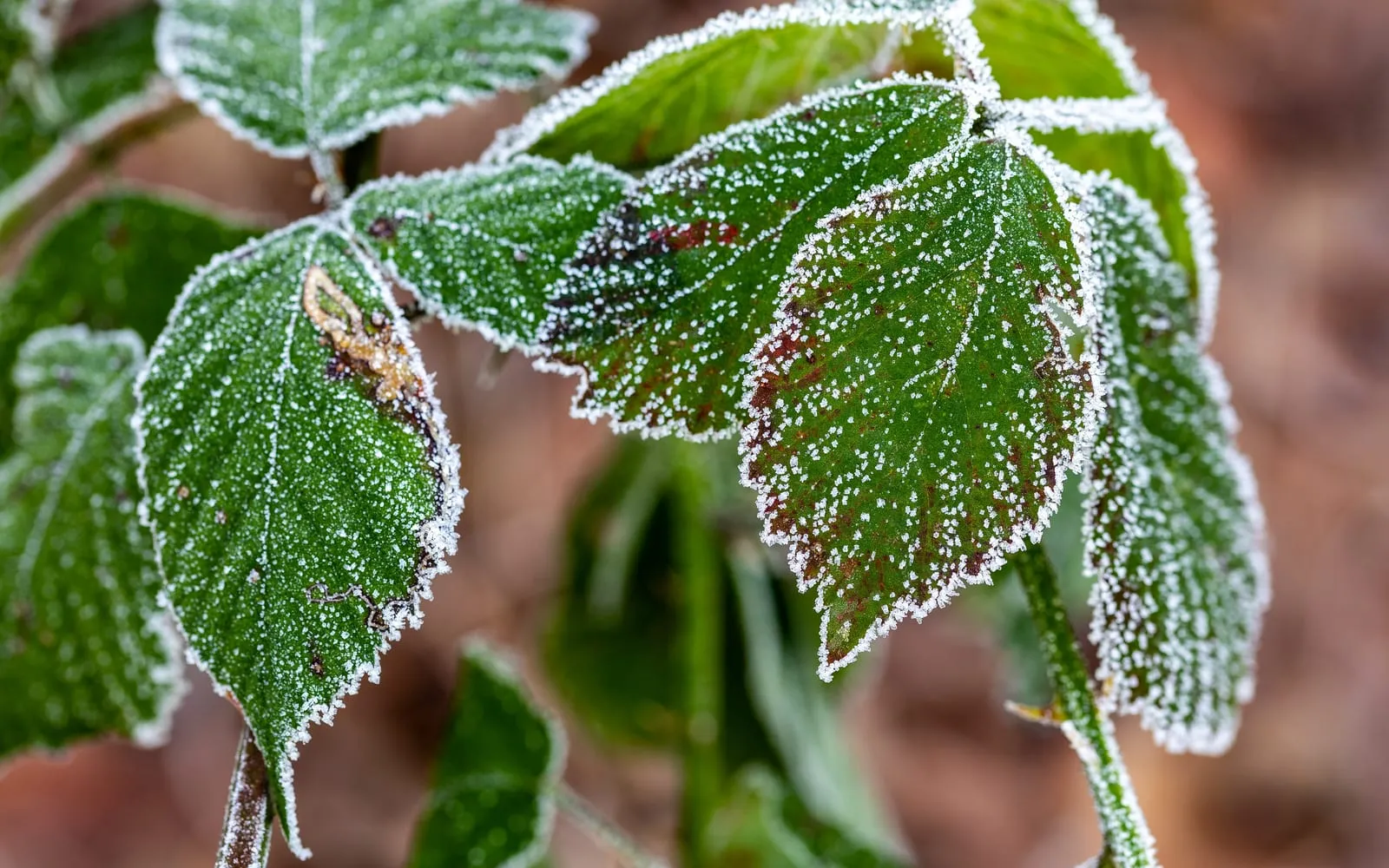
How climate zones are changing: why the hardiness map keeps moving
A hardiness zone looks like a fixed fact about a place. It is an average of the past thirty winters. As those winters warm, the zone lines move. That changes the risks you plan for when you choose long-lived plants.
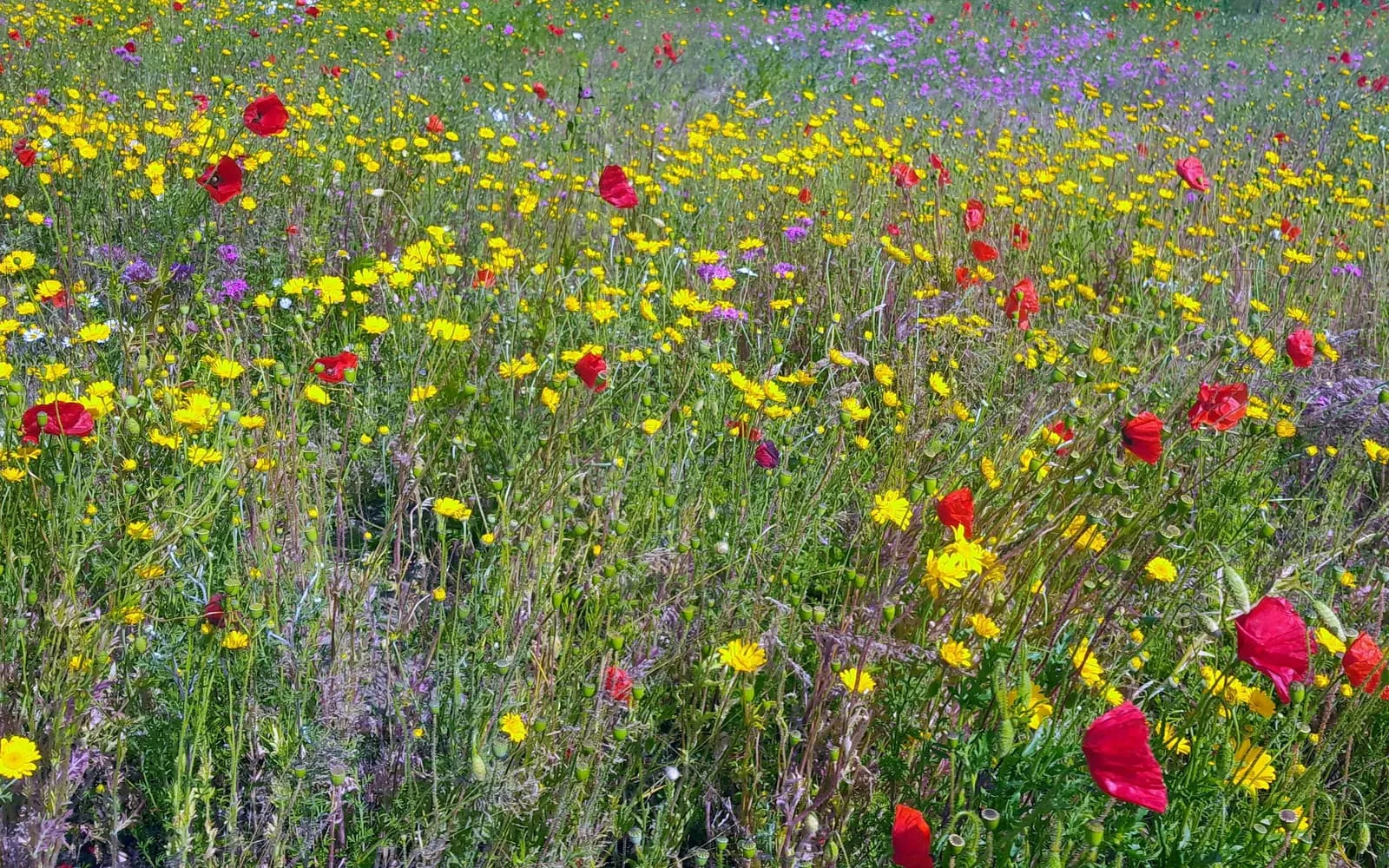
How to make a wildflower meadow
Wildflowers thrive where the soil is poor and the grass is weak. Making a meadow means lowering fertility, choosing plants that suit your climate, and cutting once a year with the hay carried off.
Succession planting: what it is and how to do it
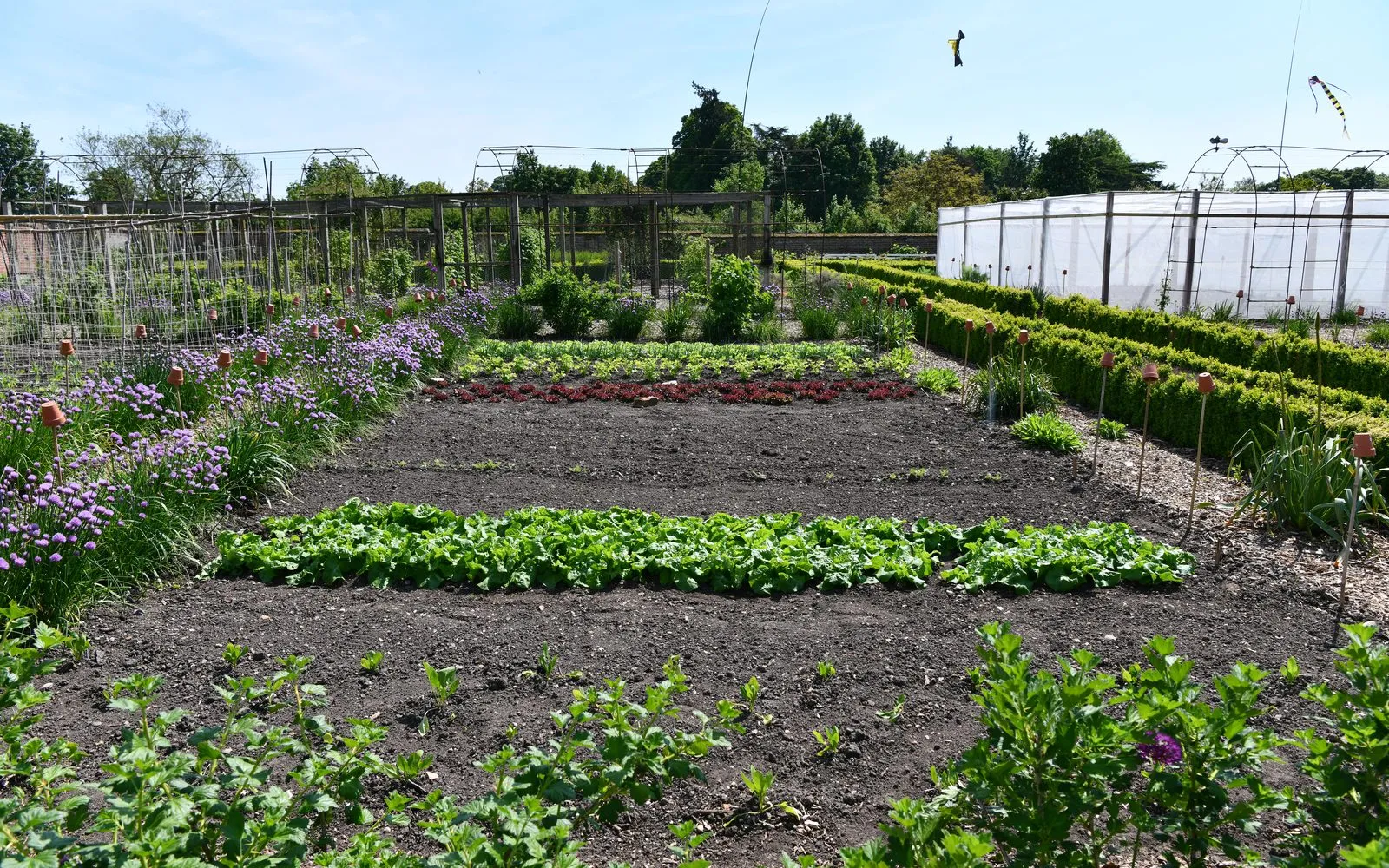
Sow fast crops in small repeated batches, then plant the next crop as soon as a space clears. The bed keeps producing across the season instead of ripening all in one week.
Gardening in a changing climate: plan for the range, not the average
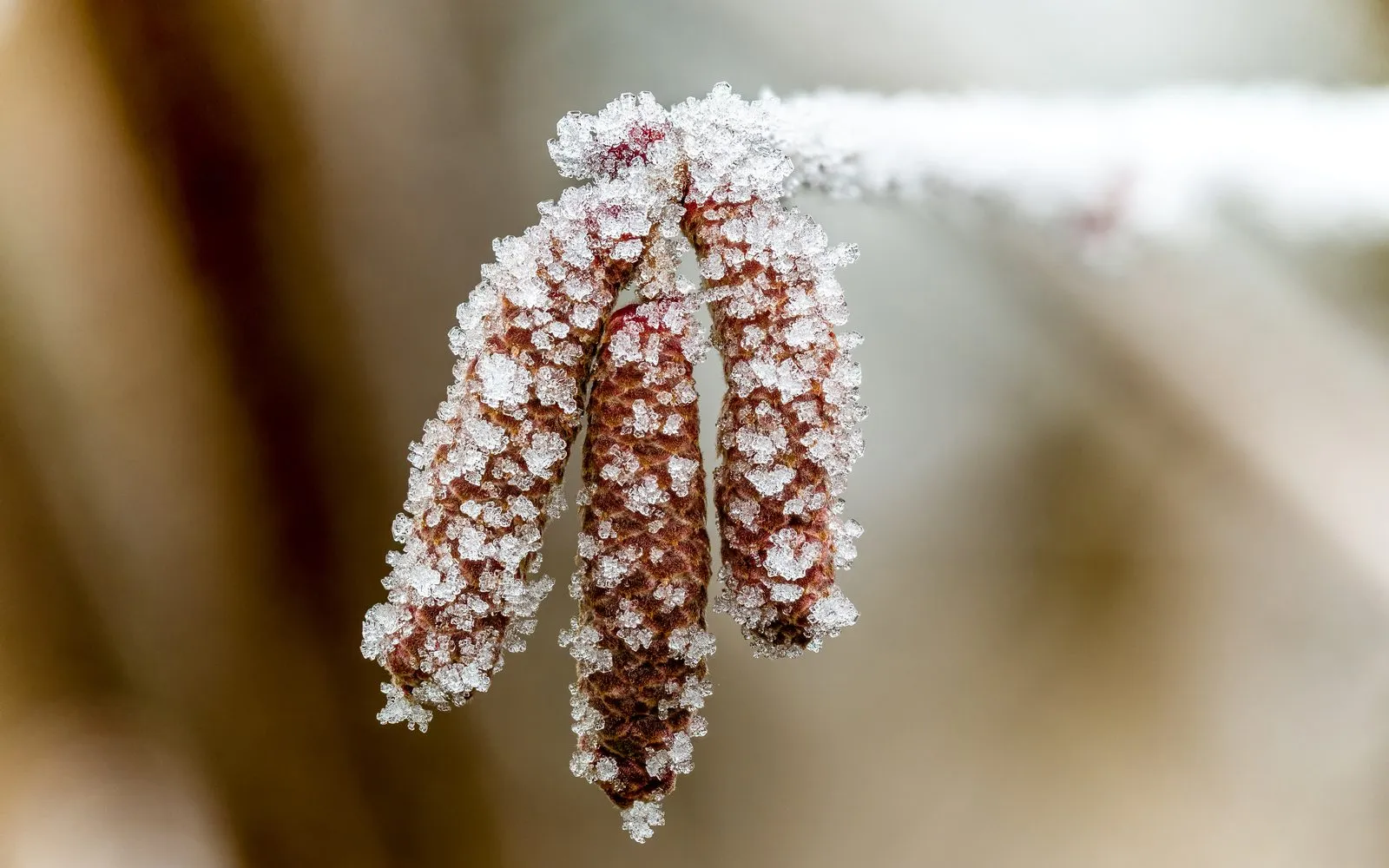
The climate your garden was planted for is changing. Hardiness zones are shifting, extreme heat and heavy rain are damaging more plants, pests are spreading into new areas, and some tender plants now survive in cooler regions. Plan around the extremes your plants are likely to face.
Chillies and peppers: the five Capsicum species and how they differ
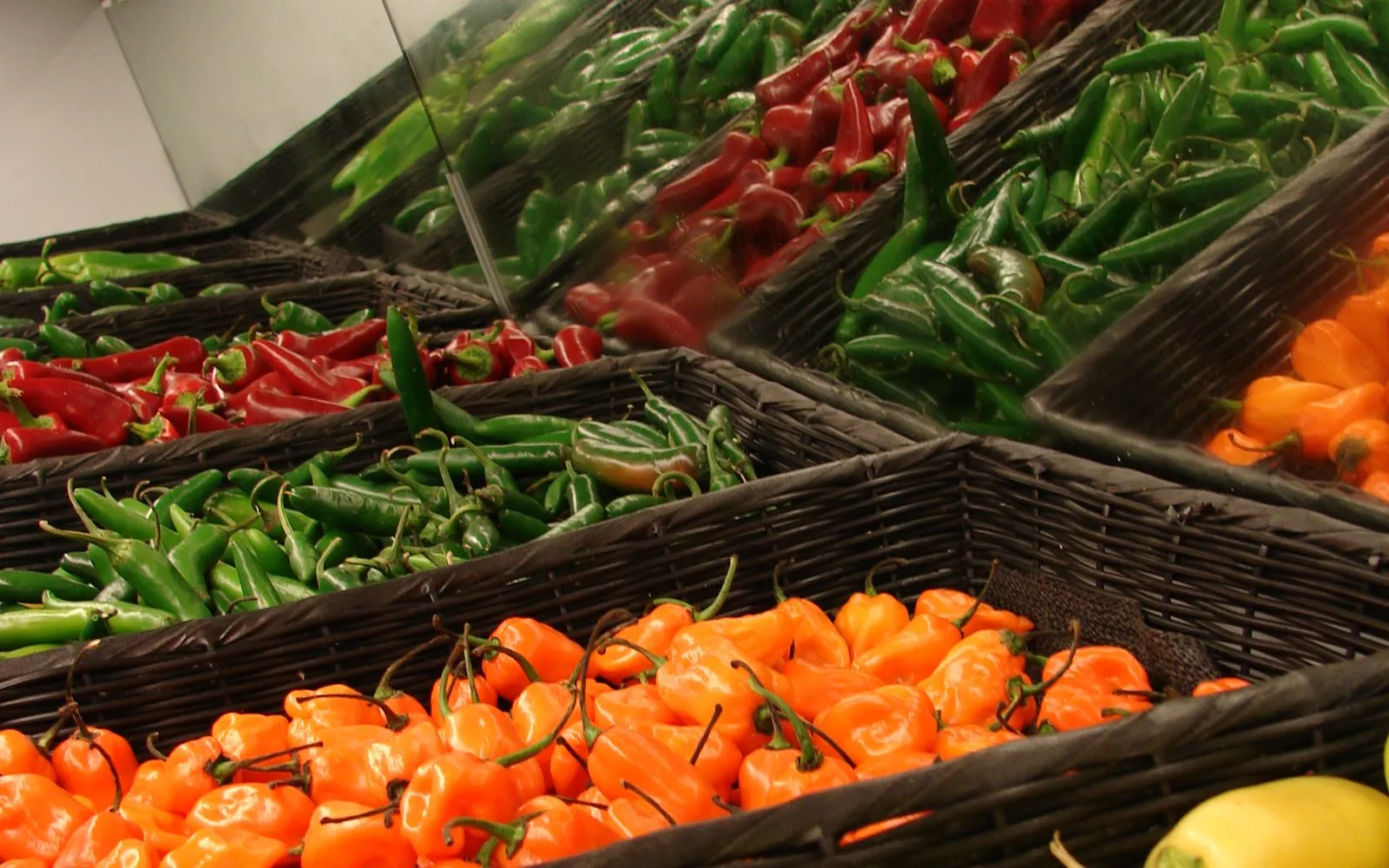
Sweet peppers, habaneros, bird's eye chillies, aji and rocoto all belong to Capsicum. The five domesticated species differ in their flowers, seeds, origin and cold tolerance. Heat alone will not tell them apart.
Hardiness zones explained: what your zone does not show
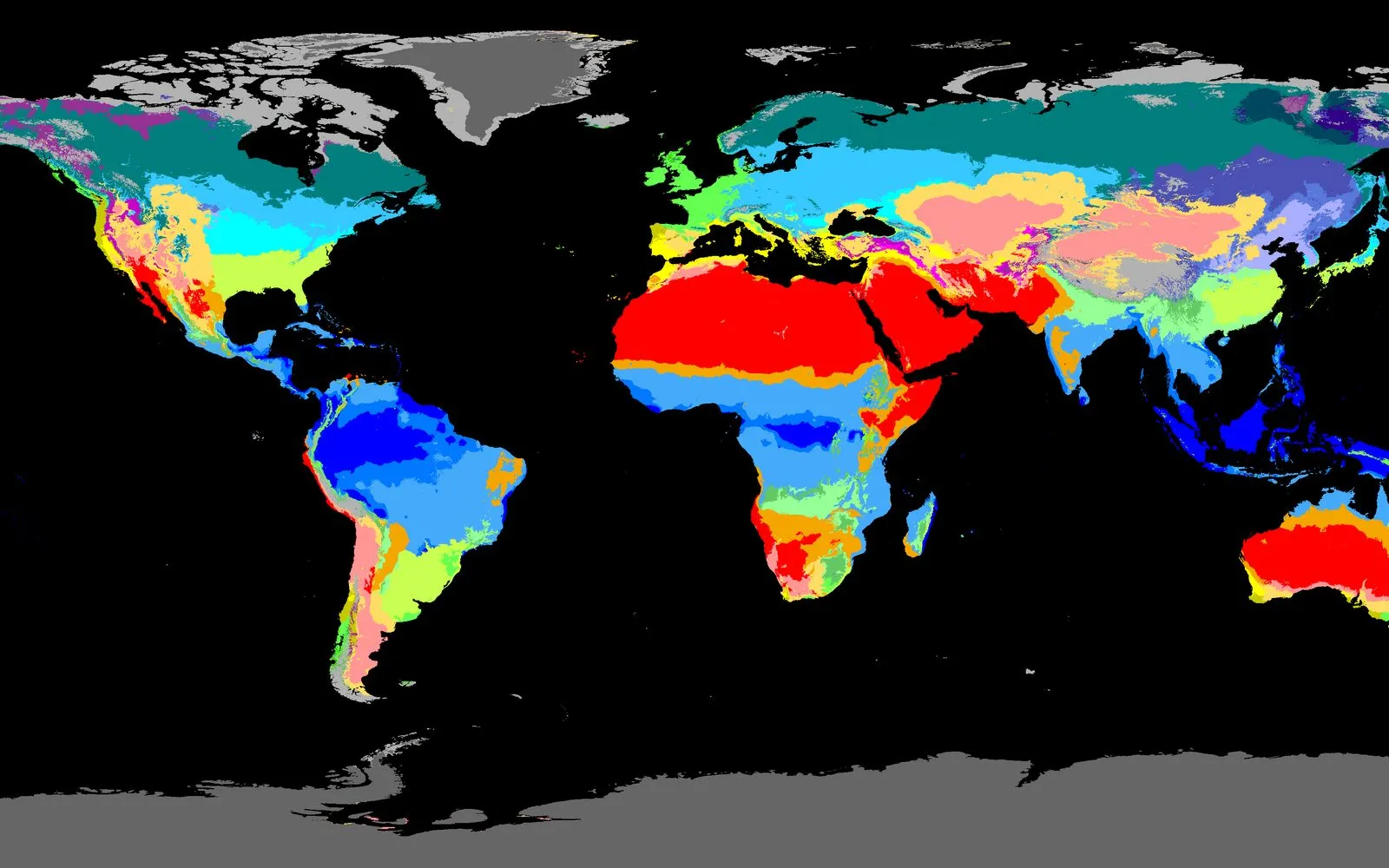
A hardiness zone records winter cold. It does not record summer heat, rain, humidity, day length or winter chill, so gardens in the same zone can need very different plants.
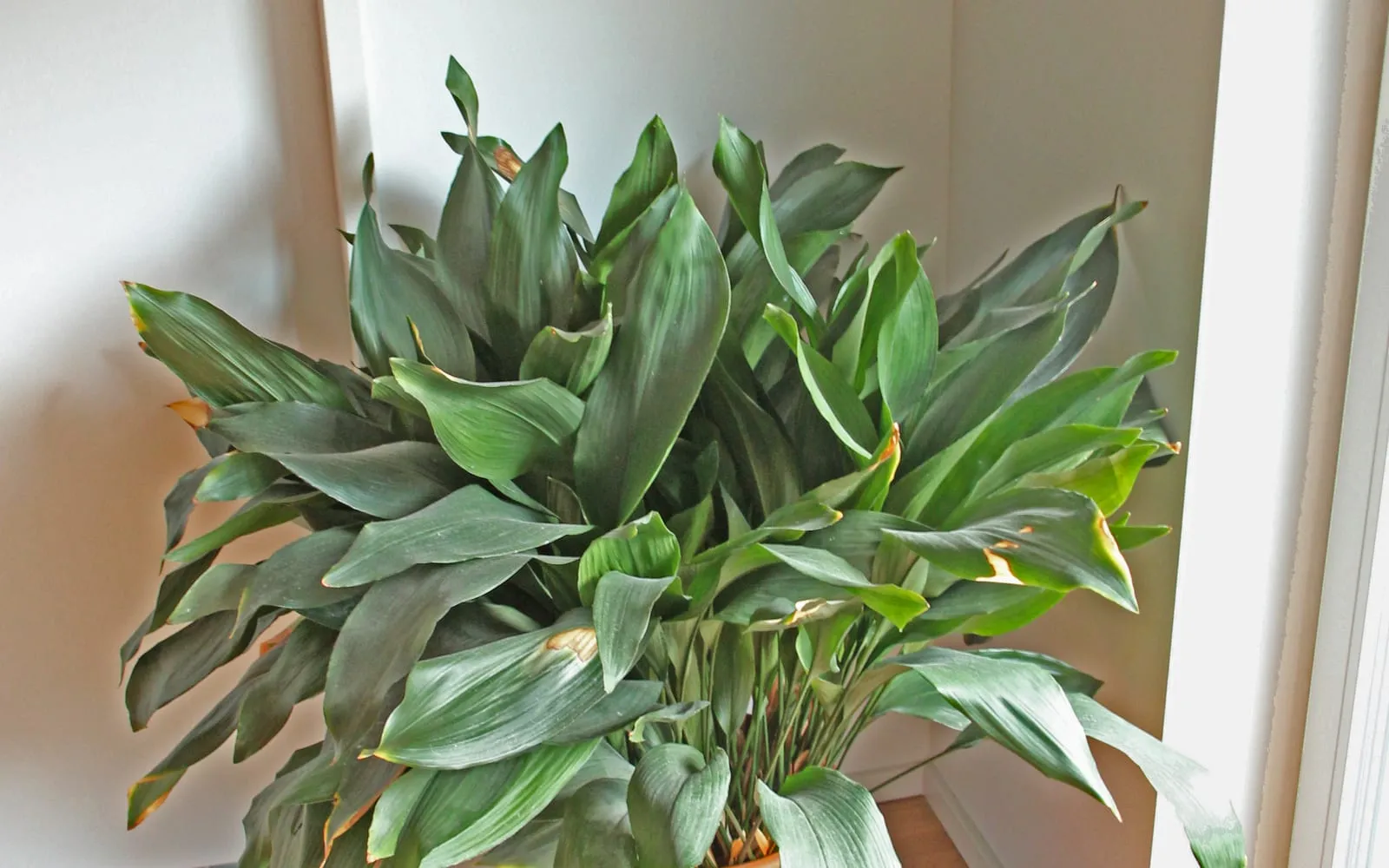
The best low-light houseplants, and why they can take it
A tropical forest floor and the middle of an ordinary room can receive similar light. The plants below come from that kind of shade and can live with it indoors.
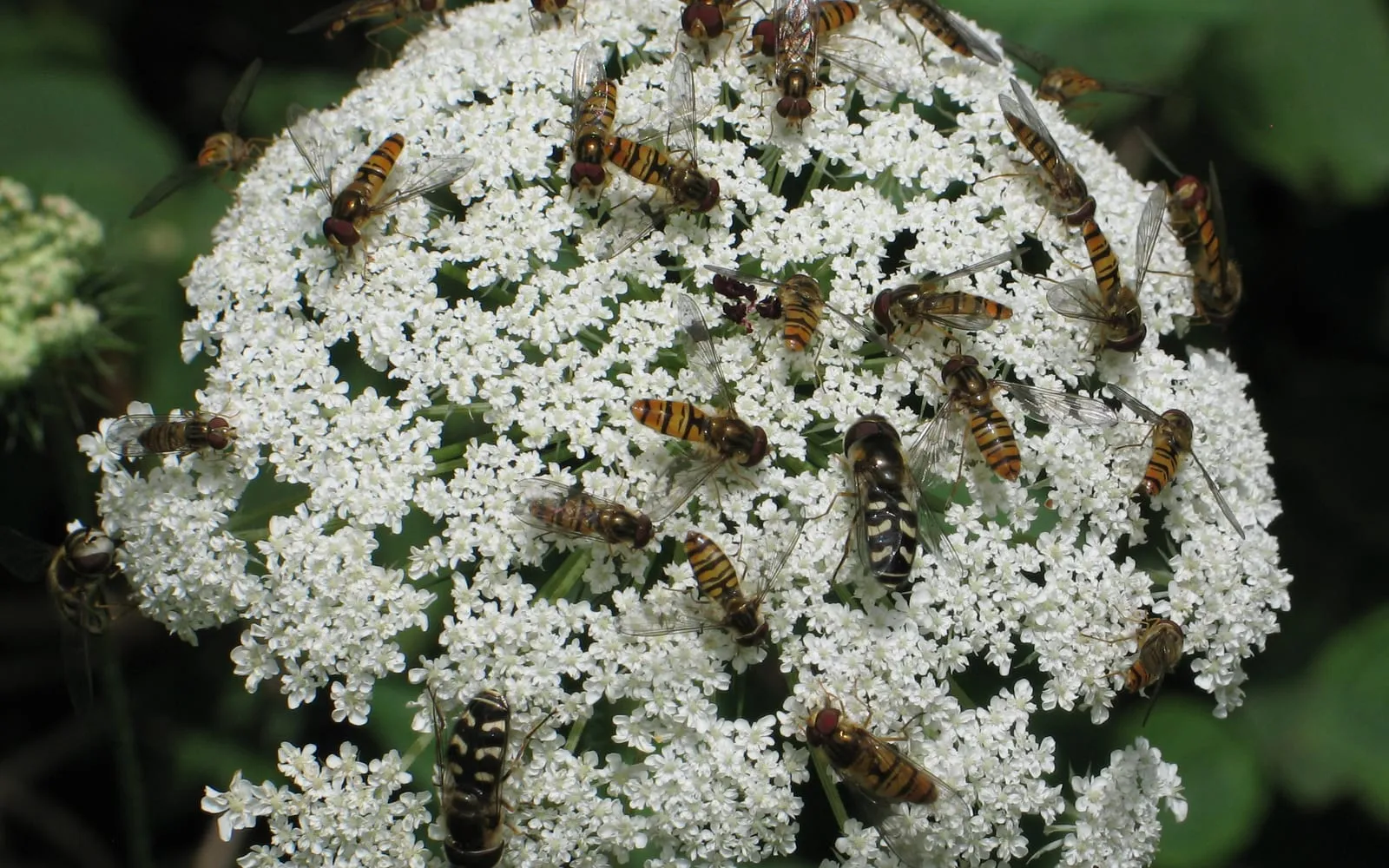
How to encourage the predators that eat your pests
Many aphid predators and parasitoids are already nearby. They need shallow flowers for nectar, enough prey to keep them present, and somewhere sheltered to spend the winter.
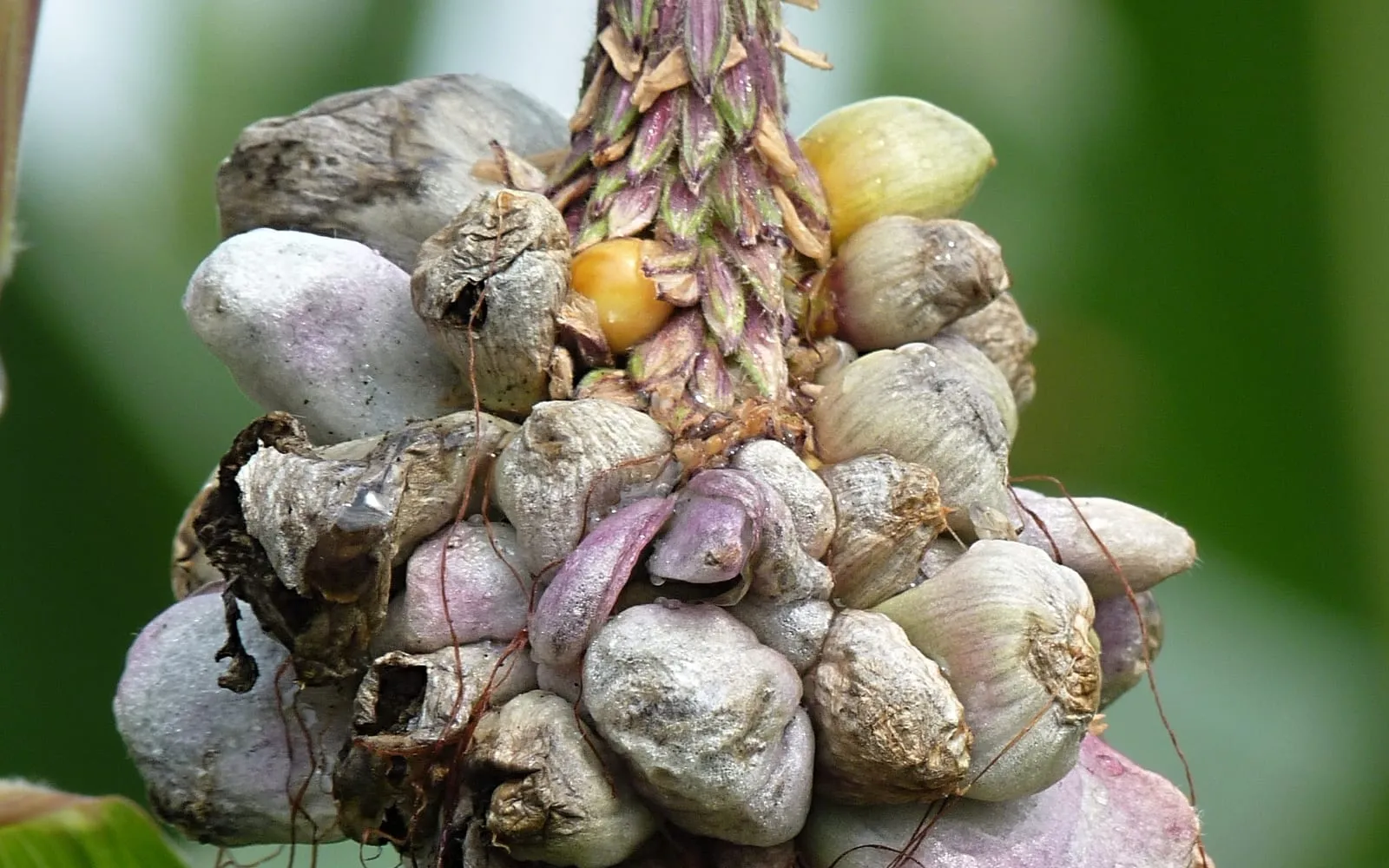
Huitlacoche, the disease that became a delicacy
Corn smut is a disease on sweetcorn. Picked young, it is also huitlacoche, the edible fungus used in Mexican cooking.