
Climate-resilient gardening: a garden that takes the extremes
A climate-resilient garden is planned for the hottest week, the longest drought, the wettest storm and the late frost. You can build that resilience through soil, water, shelter and a wider mix of plants.
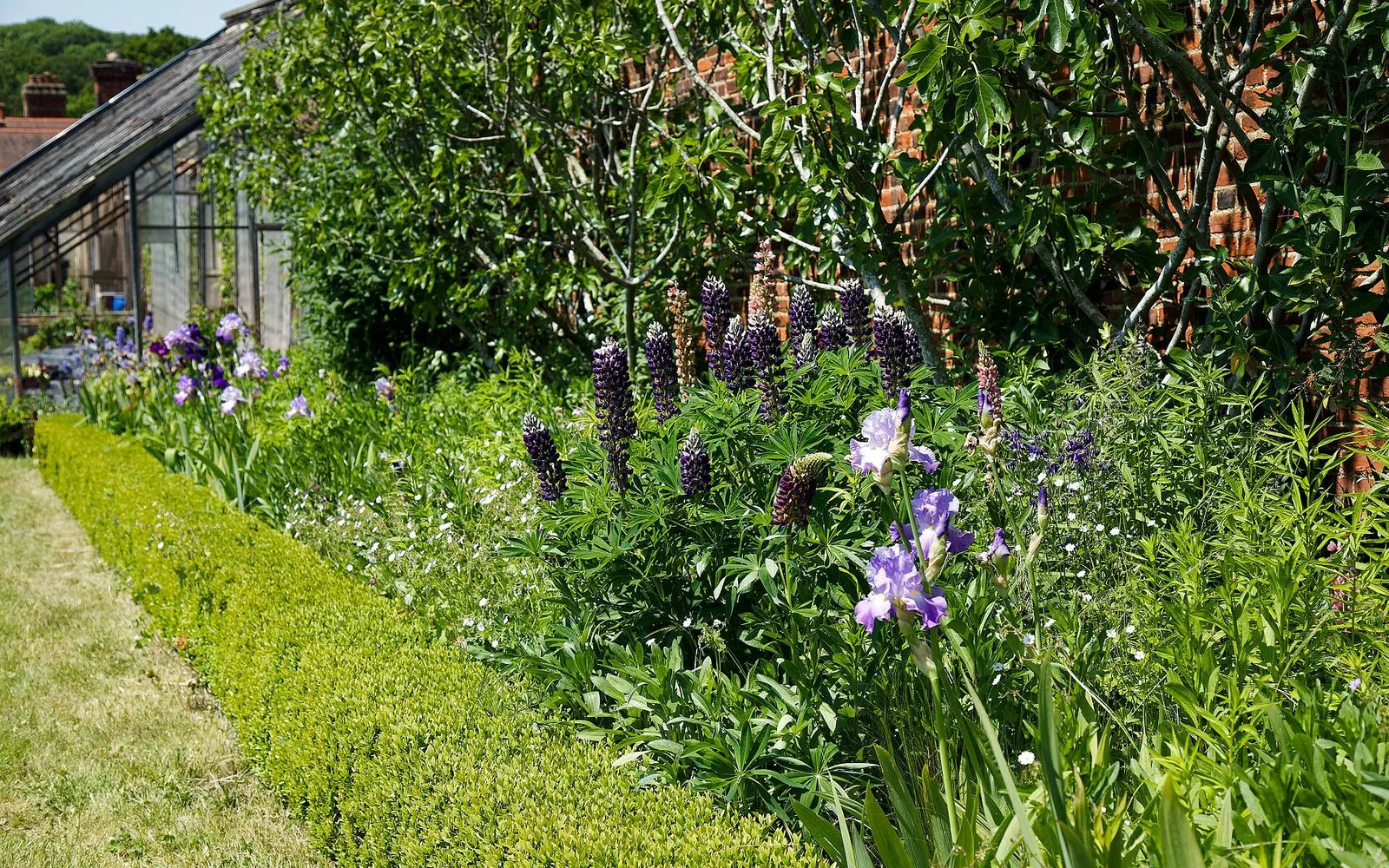
A resilient garden is planned for the extremes. It can come through the hottest week, the longest dry spell, the heaviest storm and the late frost with most of its plants intact. That depends on soil, water, shelter and plant choice rather than any single feature.
The other pieces in this set cover the individual extremes, from extreme heat and drought to heavy rain and late frost. This one draws the threads together into a way of gardening, part of the gardening in a changing climate hub. Most resilience work is gradual. You can improve soil, capture water, add shelter and widen the planting without rebuilding the whole garden.
Plan for the extremes, not the average
Start with the worst conditions your garden is likely to face. Average temperature and average rainfall do not tell you much about the week that damages plants. How hot does the garden get in the worst spell? How long can it go without rain? Can it flood? How low can a late frost reach? Plants live or die by those limits, so plan around them.
Diversity spreads the risk
A garden planted with one kind of plant has one kind of risk. A border of plants that all need the same conditions can fail together in a year that does not suit them. A mixed planting usually loses fewer plants. The Royal Horticultural Society treats plant diversity as one of the strongest defences a garden has because different plants tolerate different stresses.
Diversity works across plant types as well as species. A mix of trees, shrubs, perennials, grasses and groundcover keeps more structure in place through a bad year than a single layer. Drought-hardy plants such as lavender and coneflower can grow in dry sunny spots, while moisture-lovers such as hosta belong in the places that stay damp.
Healthy soil does double duty
Good soil helps with both too little water and too much. Organic matter, dug in or laid on as mulch for worms to pull down, acts like a sponge. In a drought, it holds water in the soil for longer. In heavy rain, it opens the soil so water soaks in and drains through instead of sitting on the surface and drowning the roots.
Keep the soil covered. Mulch and low planting protect the surface from baking sun and hard rain. Covered soil loses less water in drought, keeps more structure in storms and stays in better condition through the year.
Capture water and build shelter
A resilient garden holds water when it is available and drains it when there is too much. Water butts store winter and storm runoff for dry weeks. Rain gardens and permeable surfaces let downpours soak into the ground instead of rushing to the drain. The same work helps with both drought and flooding.
Shelter helps with temperature and wind. Trees, hedges and walls provide shade in a heatwave, break wind in a storm, and create warmer or cooler pockets in the garden. They also affect frost. A hedge that blocks cold air can make a frost pocket, while a gap that lets cold air drain away can reduce one. Over time, structure can change an exposed plot into a set of more sheltered growing spots.
Right plant, right place, then let it settle
Match plants to the real conditions of each spot. A tough, well-suited plant in the right place needs less help and survives stress better. A demanding plant in the wrong place needs constant watering, feeding or protection, and may fail in a hard year. A hawthorn or a robust apple needs less intervention than a plant grown at the edge of what a site can support.
New plants still need care while they establish, whatever their eventual toughness. A drought-hardy plant only handles drought once its roots run deep. Water new planting through its first season or two, then reduce watering gradually. Build resilience one improved bed and one well-placed plant at a time.
Common questions
- What is climate-resilient gardening?
- It is gardening planned for the full range of conditions a changing climate brings, rather than for a comfortable average. A resilient garden is designed to take the hottest week, the longest dry spell, the heaviest storm and the late frost, and to recover from them, through its soil, its water management, its shelter and the mix of plants it holds.
- What is the single best thing I can do for a resilient garden?
- Improve the soil and plant a diversity of species. Soil rich in organic matter both holds water through drought and drains after heavy rain, so it helps with both extremes at once. A diverse planting spreads the risk, so that a year that damages one kind of plant is less likely to damage all the others. Together, these two changes support most other resilience work.
- How does improving soil help with both drought and flooding?
- Organic matter acts like a sponge. In a drought it holds water in the soil for roots to draw on for longer, and in heavy rain it opens the soil so water soaks in and drains through rather than sitting on the surface. The same well-structured soil that stores water also lets excess water move, so building it up is the rare change that helps against both too little water and too much.
- Do I need to replace all my plants for a changing climate?
- No. Resilience is mostly a matter of habits, not a rebuild. Improve the soil, capture water, create some shelter and add variety over time as plants come and go. Choose tougher, better-suited plants for new planting and difficult spots, but there is no need to tear out a garden that is working; you adapt it gradually.
Sources and further reading
- RHS Gardening in a Changing Climate reportRoyal Horticultural Society, 2017The RHS on garden resilience, plant diversity and design as the response to a more variable climate.
- AR6 Synthesis Report: Climate Change 2023Intergovernmental Panel on Climate Change. IPCC, 2023The rise in climate extremes that a resilient garden is designed to absorb.
- Gardeners are on the frontline of protecting biodiversityRoyal Horticultural SocietyThe scale and value of gardens, and the diversity that underpins their resilience.