
Gardening for extreme heat: keeping plants alive through a heatwave
A heatwave does more than dry the soil. Above certain temperatures a plant stops growing, drops its flowers and scorches at the leaf edge. Shade, deep watering and mulch help plants survive the hottest days.
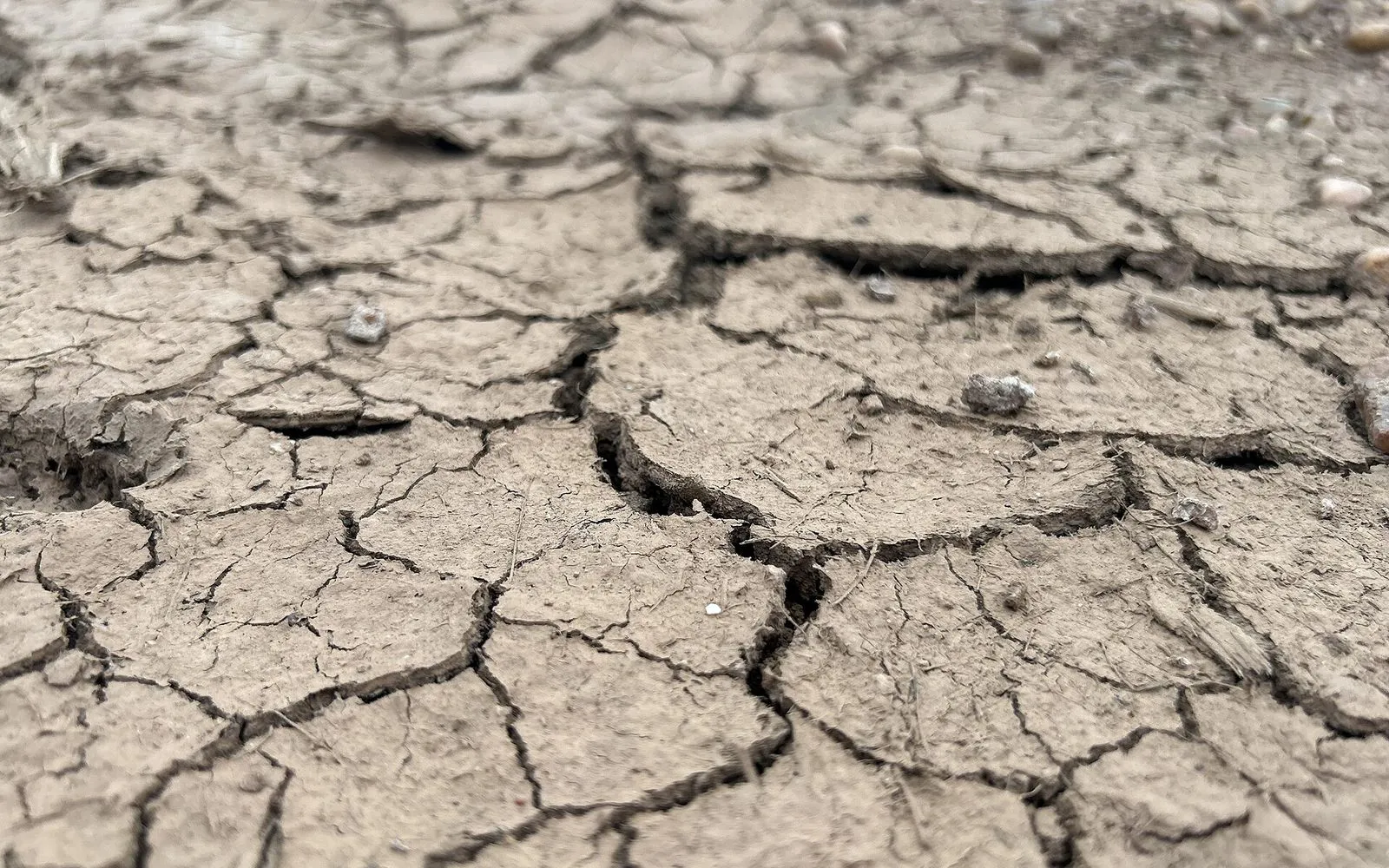
Heat and drought often arrive together, but they damage plants in different ways. Drought means there is not enough water in the soil. Heat can damage leaves, flowers and roots even when the soil is still moist. That is why a plant that tolerates drought may still struggle in a heatwave.
Heat extremes are becoming more frequent and more intense as the climate warms. The IPCC reports this with high confidence. In a garden, an occasional hot week is becoming a recurring problem. This article is about heat. For water shortage, see drought-tolerant gardening. For the wider pattern, see gardening in a changing climate.
What heat does to a plant
On a hot day, a plant loses water through pores in its leaves and pulls more up from the roots. If the leaves lose water faster than the roots can replace it, the plant wilts even in damp soil. If the shortfall goes on, the leaf edges and tips die and turn brown. This pattern is known as leaf scorch.
Above certain temperatures, photosynthesis slows down and then stops, so a plant in extreme heat uses its energy to survive instead of grow. Flowering is even more sensitive. Many plants drop their flower buds, or fail to set fruit, when temperatures rise beyond what their pollen can tolerate. That is one reason a tomato or a runner bean can flower well in a heatwave and set almost nothing. Blossom drop is the result.
Strong sun can damage exposed tissue as well as heating the plant. Fruit and bark that are normally shaded can burn when a canopy thins or a plant is suddenly exposed. The damaged area turns pale and sunken on the sunward side, which is a form of sunscald. Container roots are especially vulnerable. A pot in full sun can warm through until the roots against its sides cook.
Water deeply, and early
Water early in the morning during a heatwave. The plant starts the hot part of the day with water available, and the soil surface dries before evening instead of sitting warm and wet overnight. A deep soak every few days encourages roots to grow down into cooler, damper soil. A daily splash keeps roots near the hot surface, where they dry out fastest.
Aim the water at the soil, not the leaves. Wet foliage in strong sun does no real harm, but water on the ground reaches the roots, and a thorough soak that wets the whole root zone beats a light sprinkle that dampens only the top. Established plants can often go longer between waterings than they appear to need. A plant that wilts at midday may be losing water faster than it can move it, then recover by evening without extra watering.
Shade over the hottest hours
A plant that would scorch in open sun may survive under light shade for the middle of the day. Shade netting, horticultural fleece, an old sheet over canes or a parasol all take the sharpest heat off seedlings, salad crops and anything planted in the last few weeks. The shade need not be permanent. A few hours of cover from late morning to mid-afternoon is when it counts.
Permanent structure gives the same protection over years. A tree, a hedge or a wall provides shade and a pocket of cooler air. A pot stood at the foot of a larger plant gets some of that shade too. Group containers together so their sides shade each other and dry more slowly. A single pot in open sun heats on every side.
Build the resilience into soil and planting
Soil rich in organic matter holds more water and buffers the roots against heat, and a layer of mulch over it keeps the surface cooler and slows evaporation. Bare soil in a heatwave bakes hard and sheds water when it finally rains. Covered soil, whether under mulch or under low planting, stays in better condition through summer.
Choosing plants for heat matters as much as protecting them during a heatwave. Plants from hot, sunny regions often have small, tough, waxy, silver or aromatic leaves that lose less water and reflect more light. Lavender, rosemary and thyme belong to that group, and succulents such as agave store water in their tissue against the next dry heat. An olive takes summer heat that would exhaust a plant bred for a cool, damp climate.
Lawns and containers show heat quickly
A lawn often browns first in a heatwave, and usually needs the least attention. Most lawn grasses go dormant in heat and drought. They turn straw-coloured while the crowns stay alive underground, then green up again when rain returns. Cutting high, mowing less often and leaving the clippings helps the grass survive. Watering a lawn through a heatwave uses a great deal of water for grass that would usually recover anyway.
Containers are the opposite case, and the ones to watch. A pot has a small volume of compost that heats and dries far faster than open ground, and a plant in it cannot send roots deeper to find water. Move vulnerable pots into shade, stand them together, and check them daily, because a container plant can go from healthy to collapsed in a single hot afternoon.
Plan for the hottest day, not the average
A hardiness zone measures the coldest night and says nothing about the hottest day. The American Horticultural Society built a separate heat-zone map for exactly that gap, counting the number of days a year above 30 deg C, from fewer than one in the coolest zones to more than 210 in the hottest. A plant can survive your winter and still fail in your summer.
Read your own garden for heat. How hot does it get in the worst week? Which corners bake, and which stay cool? Which plants and pots will need shade and water when that week comes? Heat that used to arrive once a decade now arrives more often in many places. Plan for those days, and you lose fewer plants.
Common questions
- How does extreme heat damage plants?
- In several ways at once. A plant loses water through its leaves faster than the roots can replace it, so it wilts and the leaf edges scorch brown. Above certain temperatures photosynthesis slows or stops, and many plants drop their flowers rather than set fruit. Exposed fruit and bark can sunburn, and roots in pots or shallow soil overheat. Heat and drought often arrive together, but heat alone can damage a plant even in moist soil.
- Should I water plants during a heatwave, and when?
- Water early in the morning, so the plant is charged with water before the heat of the day and the soil surface dries before nightfall. Water deeply and less often, aiming at the roots rather than the leaves, so the water reaches down where the soil stays cooler. Containers may need water every day, sometimes twice, because a pot heats through and dries far faster than open ground.
- How can I shade plants during a heatwave?
- Temporary shade over the hottest hours helps most. Horticultural fleece, shade netting, an old sheet on canes, or a parasol will reduce midday sun for seedlings, salad crops and anything newly planted. Move pots into the shade of a wall or a larger plant. Established borders usually cope better than young or containerised plants, so protect those first.
- Which plants cope best with extreme heat?
- Plants from hot, sunny regions, often with small, tough, waxy, silver or aromatic leaves that lose less water. Lavender, rosemary, thyme and many Mediterranean shrubs suit a hot dry spot, and succulents such as agave and aloe store water in their leaves. They still need watering to establish, but once settled they take heat that would exhaust a leafy, moisture-loving plant.
Sources and further reading
- RHS Gardening in a Changing Climate reportRoyal Horticultural Society, 2017The RHS on the extreme weather, including summer heat, that gardens increasingly meet.
- AR6 Synthesis Report: Climate Change 2023Intergovernmental Panel on Climate Change. IPCC, 2023The observed rise in the frequency and intensity of heat extremes, reported with high confidence.
- Heat Zones, Plant Health, and the AHS Heat Zone MapUnited States Botanic GardenA live explanation of the AHS heat-zone map, including its twelve zones and the days a year above 30 deg C.