
What will we be able to grow in 2050? Planting for the climate ahead
A tree planted today will grow old in the climate of the 2050s. What the projections suggest we will be able to grow by then, and what will become harder.
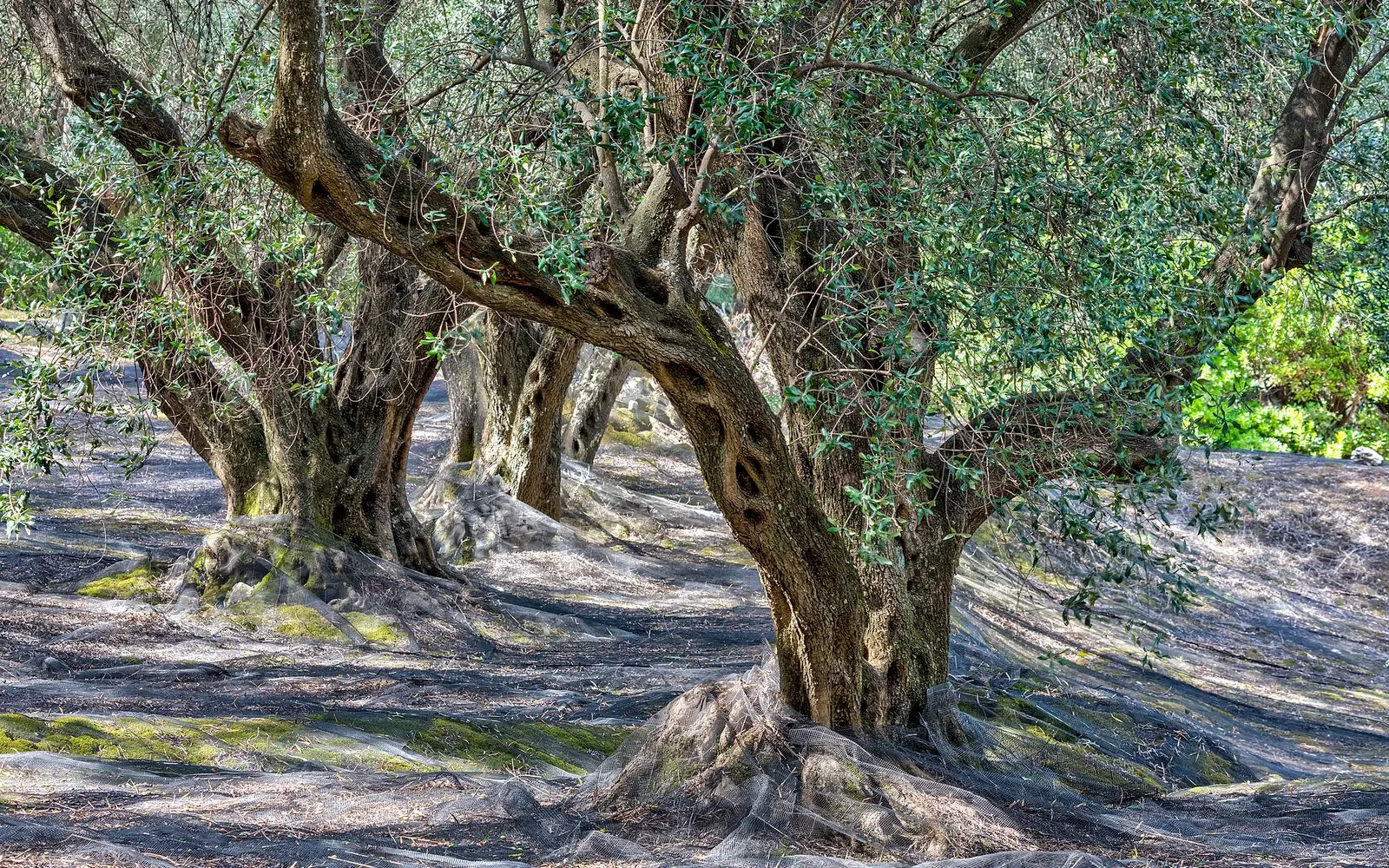
Plant a tree today and it will grow old in a warmer climate. The longest-lived plants in a garden, especially trees and slow shrubs, are being chosen now for the winters and summers of the 2050s. That makes future climate a practical planting question.
No projection can tell you exactly what one garden will be like in 2050. The direction is clear enough to use. For the broader climate-gardening context, see gardening in a changing climate. The coming decades may make some plants easier to grow, make others harder, and change what is worth planting now.
The direction is clear, the detail is not
The projections agree on the broad direction. The climate will keep warming through the coming decades, winters will grow milder, growing seasons will lengthen, and summers in many temperate regions will become hotter and drier, with heavier bursts of rain between. How far and how fast depends on global emissions, which is the largest uncertainty in any projection. Hardiness zones are moving polewards, and wider climate types are shifting too.
The projections do not provide a precise planting list for a given garden. Local conditions, year-to-year swings and extreme weather all affect what grows well. Plant for the warming trend, but allow for drought, heavy rain, late frost and local differences.
Warm-climate plants keep moving north
The most obvious change is at the tender end. Plants that are marginal in cool temperate gardens today are likely to become more reliable as winters become milder, and warm-climate fruit should ripen more often in longer, hotter summers. Olive, fig and grape vine are already moving from novelty to normality in the mildest areas, vineyards have spread, and apricot, almond and peach are increasingly useful to trial where they once would have failed.
Summer heat can be the limit rather than winter cold. A mild winter lets a plant survive, but only a warm enough summer ripens its fruit. That gap will keep some crops out of reach in cooler and wetter districts even as their winters warm. What will grow depends on summer warmth and season length as much as on the retreat of frost.
The extremes decide as much as the average
A warmer average does not mean gentle, reliable warmth. Future gardens will also face stronger extremes. Hotter, drier summers bring heat stress and drought. Wetter winters bring waterlogging, which can rot the roots of Mediterranean plants that milder winters otherwise favour. Earlier springs raise the risk of a late frost catching blossom that opened too soon. Plants that grow well in 2050 will need to handle those swings, not only the higher average.
What gets harder
Some of today’s staples may become harder to grow. Fruits that need a cold winter to crop, including some apples and blackcurrants, may get too little winter chill and crop raggedly or late. Cool-season vegetables and plants that dislike heat and drought will face more stress in hotter, drier summers. Check which of your long-lived favourites depend on cold winters before you rely on them.
Plant now for the climate that is coming
For anything long-lived, plant for the climate ahead. Choose trees and shrubs that suit warmer, less steady conditions. Improve the soil so it helps in drought and heavy rain, manage water for both extremes, and build the shelter and diversity that spread the risk. Trial marginal warm-climate plants as experiments, not certainties.
Gardeners can also help track the change. As more people record what they grow, where pests appear and which plants fail, that data can show how plants and pests are moving in real time. The garden of 2050 is being planted now, one long-lived choice at a time.
Common questions
- What will gardeners be able to grow in 2050?
- The projections point to a wider range of warm-climate plants in temperate regions as winters become milder and growing seasons lengthen. More gardeners are likely to grow olives, figs, grapes, apricots and almonds outdoors where those are marginal today. The exact result depends on how much the climate warms, which depends on global emissions, and on the local extremes that decide whether a crop ripens.
- Will the UK grow Mediterranean crops by 2050?
- More of them, more reliably, especially in the milder south. Vineyards have already expanded, and olives and figs are increasingly grown outdoors. Whether a crop ripens still depends on summer heat as well as a mild winter, and wetter winters and late frosts will keep some Mediterranean plants challenging. The move is towards more Mediterranean planting, not a full Mediterranean climate.
- What will become harder to grow by 2050?
- Plants that need a cold winter. Some apples, blackcurrants and other fruits rely on a set amount of winter chill to crop well, and milder winters may leave them short of it. Cool-season crops and plants that dislike heat and drought may struggle in hotter, drier summers, and any plant flowering early faces a greater risk from late spring frosts.
- How should I plant now for a 2050 climate?
- Think about how long a plant will live. A tree or a slow-growing shrub planted now will spend decades in a warmer climate, so choose it for the conditions it is likely to face, not only today's. Favour resilient, well-suited plants, improve the soil, manage water for both drought and flood, and trial the marginal warm-climate plants that milder winters increasingly allow.
Sources and further reading
- AR6 Synthesis Report: Climate Change 2023Intergovernmental Panel on Climate Change. IPCC, 2023The projections of continued warming through the century, and how they depend on future emissions.
- RHS Gardening in a Changing Climate reportRoyal Horticultural Society, 2017The RHS on how a warming climate reshapes what gardeners can grow, and the risks alongside the gains.
- Present and future Koppen-Geiger climate classification maps at 1-km resolutionHylke E. Beck and others. Scientific Data, 2018Projections of how the world's climate types shift polewards and upslope through this century.
- Climate change impacts on winter chill for temperate fruit and nut productionEike Luedeling. Scientia Horticulturae, 2012Why some temperate fruits may struggle for winter chill in a warmer future.