
Gardening in a changing climate: plan for the range, not the average
The climate your garden was planted for is changing. Hardiness zones are shifting, extreme heat and heavy rain are damaging more plants, pests are spreading into new areas, and some tender plants now survive in cooler regions. Plan around the extremes your plants are likely to face.
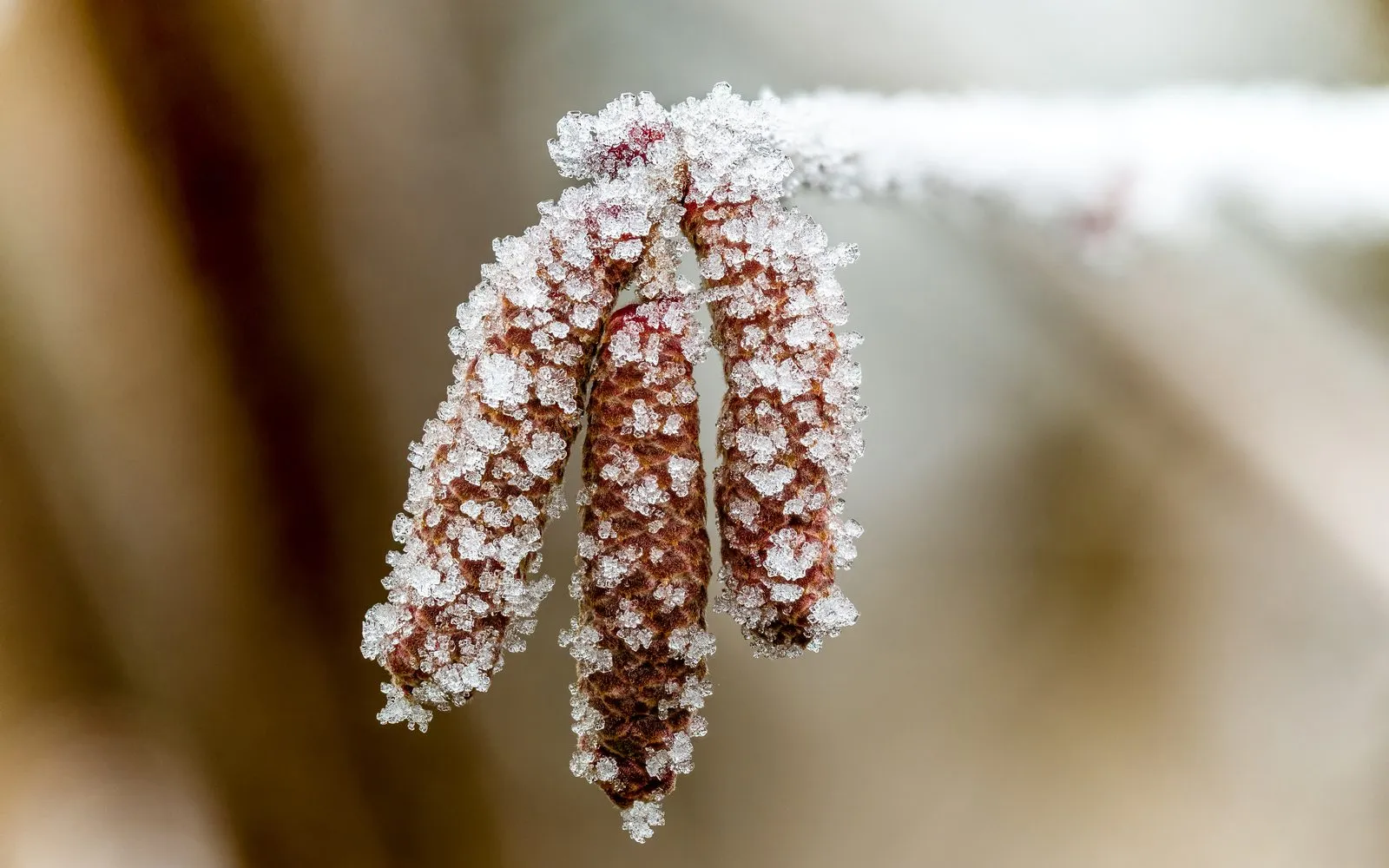
Blossom opens a week or two earlier than it used to. After a mild winter, a hard frost in April can burn the new growth. Summers stay hot and dry for longer, and rain falls in fewer, heavier bursts. A shrub that grew well for twenty years may start to fail, while a plant that used to need winter protection now survives outside.
The climate a garden was planted for is shifting. A hardiness zone, one common measure of that climate, is based on about thirty years of winter lows. It can look like a fixed feature of a place, like soil type or slope, but it is an average. As winter lows rise, the zone lines move towards the poles. A garden planted for one zone may fall into a warmer zone a decade later even if nothing in the garden has changed.
The companion piece to this one, Hardiness zones explained, explains what a zone measures and what it leaves out, including summer heat, rainfall and day length. A zone is useful, but it depends on a winter average that is changing.
As the average rises, plants also face stronger extremes. The IPCC reports high confidence that heat extremes and heavy rainfall are becoming more intense. Milder winters add another risk. A mild winter can leave a plant more exposed to a cold snap because the plant never entered deep dormancy. A warm spell in February can start bud growth, then a sharp frost in March can kill it. The RHS warns that this kind of volatility often matters more than the higher average.
The zones are moving
The USDA has redrawn its hardiness map twice in living memory. The 1990 map was replaced in 2012. The 2023 version uses weather records from 1991 to 2020. It is about 2.5 Fahrenheit degrees warmer than the 2012 map, and roughly half of the United States moved into a warmer half-zone. Your plants may stay where they are while the label for your area changes.
Part of that shift comes from better data. The 2023 map used 13,412 weather stations, compared with 7,983 in the previous version, so it has sharper local detail. Warming also matters. The coldest nights are becoming less cold.
The RHS hardiness ratings, H1 to H7, describe winter cold for gardeners in Europe and are changing for the same reason. Wider climate classifications are changing too. Under the Koppen-Geiger system, temperate and continental climates are projected to expand towards the poles and into higher ground during this century. A garden may no longer match the climate map it was first planned against.
Heat is only the start
Heat stress scorches foliage and makes plants lose water faster than their roots can replace it. Long dry spells then dry the soil. Gardens that once needed no summer water may need irrigation, stored rainwater, mulch and more drought-tolerant planting. Leaf scorch is the visible damage when sun and dry air dry leaves faster than roots can supply water.
Rain can also arrive in heavier bursts. Heavy downpours waterlog soil, rot roots, wash nutrients out of reach and scour bare ground away. Waterlogging and root rot become more common where mild, wet winters keep soil wet for longer. Stronger storms also bring more wind damage, and trees fall more easily when the ground is saturated.
In a false spring, warm weeks early in the year start new growth, then a late frost kills it. Fruit blossom is especially vulnerable, because a tree that flowers before a frost can lose that year’s crop. Frost damage can happen later in the calendar as spring growth starts earlier. Milder winters also affect plants that need cold to trigger dormancy, flowering or clove division. At the same time, fewer overwintering pests die in the cold.
The pests are moving too
Warm winters help insects as well as plants. Pests and diseases that cold once limited can spread into new areas and survive winters that used to kill them. The RHS lists new arrivals and range expansions among the clearest garden-scale signs of a warming climate.
The box tree caterpillar spread across southern England within a few years of arriving and has stripped established hedges to bare stems. The red palm weevil, a pest of palms around the warm Mediterranean, could establish further north if winters become mild enough. Warmer conditions also favour familiar sap-suckers such as aphids, which breed faster and for more of the year as temperatures rise.
What becomes possible
A changing climate makes some plants harder to grow and others easier. Plants that were once marginal may become reliable. Crops that needed a warmer region may start to ripen farther north or at higher elevation.
In the UK and northern Europe, longer growing seasons and milder winters have widened what survives outdoors. Tender plants that once needed winter protection now survive unaided in many gardens, and warm-climate fruit that struggled to ripen has a better chance in a longer, hotter summer. Olive, fig and grape vine are further into the mainstream than they were a generation ago.
Across the northern United States and Canada, the frost-free window is lengthening and the northern edge of some crop ranges is moving polewards. The same warming that stresses a southern garden can give a northern garden a longer season.
Around the Mediterranean and in other already-hot regions, rising heat and less reliable rainfall put traditional crops under pressure. Many growers need more drought- and heat-resistant planting. In Australia, changing rainfall and heat are pushing growers to shift planting dates and rethink what suits each district. Some plants become harder to grow where the climate is already hot. Others become possible where winters used to be too cold.
Plan for the extremes, not the average
Ask what your plants have to survive. How hot does your garden get? How long can it go without rain? Can it flood? How low can the temperature fall? Plants have to survive those limits, even when the average looks comfortable.
Diversity is one of the strongest protections. A border planted with species that all need the same conditions can fail at once in a year that does not suit them. A mixed planting usually loses fewer plants. The RHS treats plant diversity as a strong defence for gardens. Lavender and rosemary can suit a garden that is becoming hotter and drier. An apple or a peach may still need winter chill and shelter from late frost.
Organic matter and mulch help soil hold water through drought. Good drainage lets excess water move away after heavy rain. Capture rainwater when it is plentiful, using water butts, a pond, a rain garden or more permeable ground and less paving. Trees, hedges, walls and windbreaks provide shade, reduce wind and create pockets of cooler or warmer air.
Gardens help wildlife move
Gardens are part of the wider landscape. As the climate shifts, wild species need to follow the conditions they can live in, often towards the poles or uphill. Connected gardens help wild species move through the landscape. Isolated gardens leave fewer routes between habitats.
One back garden may look small, but the combined area is large. UK gardens cover three times as much land as all the country’s National Nature Reserves combined and contain more than fifty million trees. According to the RHS, they support over half of the nation’s butterfly, amphibian and reptile species, and more than forty per cent of its birds and mammals. One ordinary garden was found to contain around two and a half thousand species of plant and animal.
Use native plants where they suit the site, and keep flowers coming through as much of the year as possible. A pond, standing dead wood, hedges, trees and fewer pesticides shelter amphibians and invertebrates and help link one plot to the next. Across millions of gardens, those small changes provide more food and shelter.
What a garden can do about the cause
A single garden has only a small effect on the climate. Across many gardens, the same choices make a larger difference. Growing plants and planting trees stores carbon and cools the ground. Healthy soil, kept covered and fed with compost, stores carbon and holds water. Avoiding peat leaves carbon in bogs, where it is stored more securely. Using less artificial fertiliser and fewer pesticides reduces the resources and pollution linked to the garden. Replacing hard paving with planting helps rain soak in. Using stored rainwater reduces demand for mains water in dry spells.
Start with your zone and your climate type, then check the extremes more closely than the averages. Plan for the hottest day, the longest drought and the lowest winter night your garden is likely to face. Older planting choices may have been made for a cooler climate. New planting choices need to suit warmer winters, stronger heat and heavier rain.
Common questions
- Is my hardiness zone changing?
- Yes. Hardiness zones are averages of winter lows over about thirty years, and those averages are rising. The USDA redrew its map in 2023 using records from 1991 to 2020, and it came out around 2.5 Fahrenheit degrees warmer than the 2012 version, with roughly half of the United States shifting to a warmer half-zone. Part of that reflects better data and part reflects a warming climate. The RHS ratings used across Europe are also changing as winters become milder.
- Does a warmer climate just mean I can grow more tender plants?
- It widens the range in some places. Milder winters allow some tender plants to survive where they once needed protection. The same warming can also expose plants to sharper swings. A mild winter may keep a plant out of deep dormancy, so a sudden cold snap can damage it. A warm spell followed by a late frost can also kill early growth. Plan for the swings as well as the higher average.
- What is a false spring, and why does it damage plants?
- A false spring is a warm spell early in the year that pulls plants into growth before winter is over. When a hard frost follows, it kills the soft new growth that started in the warmth. Fruit trees are especially exposed, because blossom caught by frost sets no fruit that season. As spring growth starts earlier, late frosts can damage plants later in the year.
- Will a warming climate bring new garden pests?
- Often, yes. Cold winters kill many overwintering pests and keep others out of a region. As winters become milder, some pests survive where they used to die back, and some spread into new areas. The box tree caterpillar spread across southern England within a few years of arriving. Warm-climate species such as the red palm weevil could also establish further north in milder winters. Warm weather also helps familiar pests such as aphids breed faster and for more of the year.
- How can I make my garden more resilient to extreme weather?
- Plan for the extremes rather than the average. Ask how hot your garden gets, how long it can go without rain, whether it can flood, and how low the temperature can fall, then plant for those limits. Diversity helps most, since a mixed planting rarely fails all at once. Improve the soil with organic matter and mulch so it can hold water in drought and drain after heavy rain. Capture rainwater for dry spells, and use trees, hedges and walls for shade and shelter.
- What plants can I grow as my climate gets warmer?
- Possibly more tender plants, though a milder winter is only part of the answer. Whether a plant thrives also depends on summer heat, water supply, the risk of a late frost after a warm spell, any winter chill the plant needs, and your own soil and shelter, rather than on the hardiness zone alone. In the UK and similar regions, milder winters have made olive, fig and grape vine easier to grow outside, though they still need a warm enough summer to ripen a crop.
Sources and further reading
- USDA Plant Hardiness Zone MapUnited States Department of Agriculture, Agricultural Research Service, 2023The current map, built from winter lows recorded between 1991 and 2020.
- USDA unveils updated Plant Hardiness Zone MapUSDA Agricultural Research Service, November 2023About 2.5 Fahrenheit degrees warmer than the 2012 map, with roughly half the country shifting a half-zone.
- RHS Gardening in a Changing Climate reportRoyal Horticultural Society, 2017RHS guidance on extreme weather, garden adaptation and plant choice under a warming climate.
- Gardeners are on the frontline of protecting biodiversityRoyal Horticultural SocietyThe figures on what share of UK wildlife gardens support, and how much land they cover.
- AR6 Synthesis Report: Climate Change 2023Intergovernmental Panel on Climate Change. IPCC, 2023Observed warming and the rise in heat extremes and heavy rainfall.
- Present and future Koppen-Geiger climate classification maps at 1-km resolutionHylke E. Beck and others. Scientific Data, 2018Projections of how climate types may shift during this century.