
Plants for a changing UK climate: what warmer winters open up
The UK is warming, its winters milder and its season longer. That widens what can be grown, from figs to grapes, while wetter winters and late frosts keep the choice more complicated than a simple move to Mediterranean planting.
The UK is a warmer place to garden than it was a generation ago. Winters are milder, the frost-free season is longer, and summers in the south and east are trending hotter and drier. That change is widening the range of what a British garden can grow. It is also making some long-familiar plants harder to grow well. Both things are happening at once, so a warmer UK does not become a Mediterranean garden.
For the broader background, see gardening in a changing climate. A hardiness rating still tells a UK gardener which winter cold a plant can take. The RHS H1 to H7 scale is fixed, but milder winters mean more gardens now sit most years in a warmer band than they used to.
A longer, milder season changes what survives
A longer frost-free season gives plants more weeks to grow, flower and ripen. Milder winters let tender plants survive outdoors where they once needed the shelter of a greenhouse or a fleece. Plants rated at the edge of hardiness, cut back or killed in the cold winters of the past, now survive many winters unaided across much of the country.
That has made more warm-climate plants possible. Mediterranean shrubs and perennials that used to be a gamble are more reliable, and some sub-tropical foliage that once had to be lifted for winter can now stay outside. The milder south, west and coast gain the most options. The colder inland north gains fewer.
Warm-climate fruit comes within reach
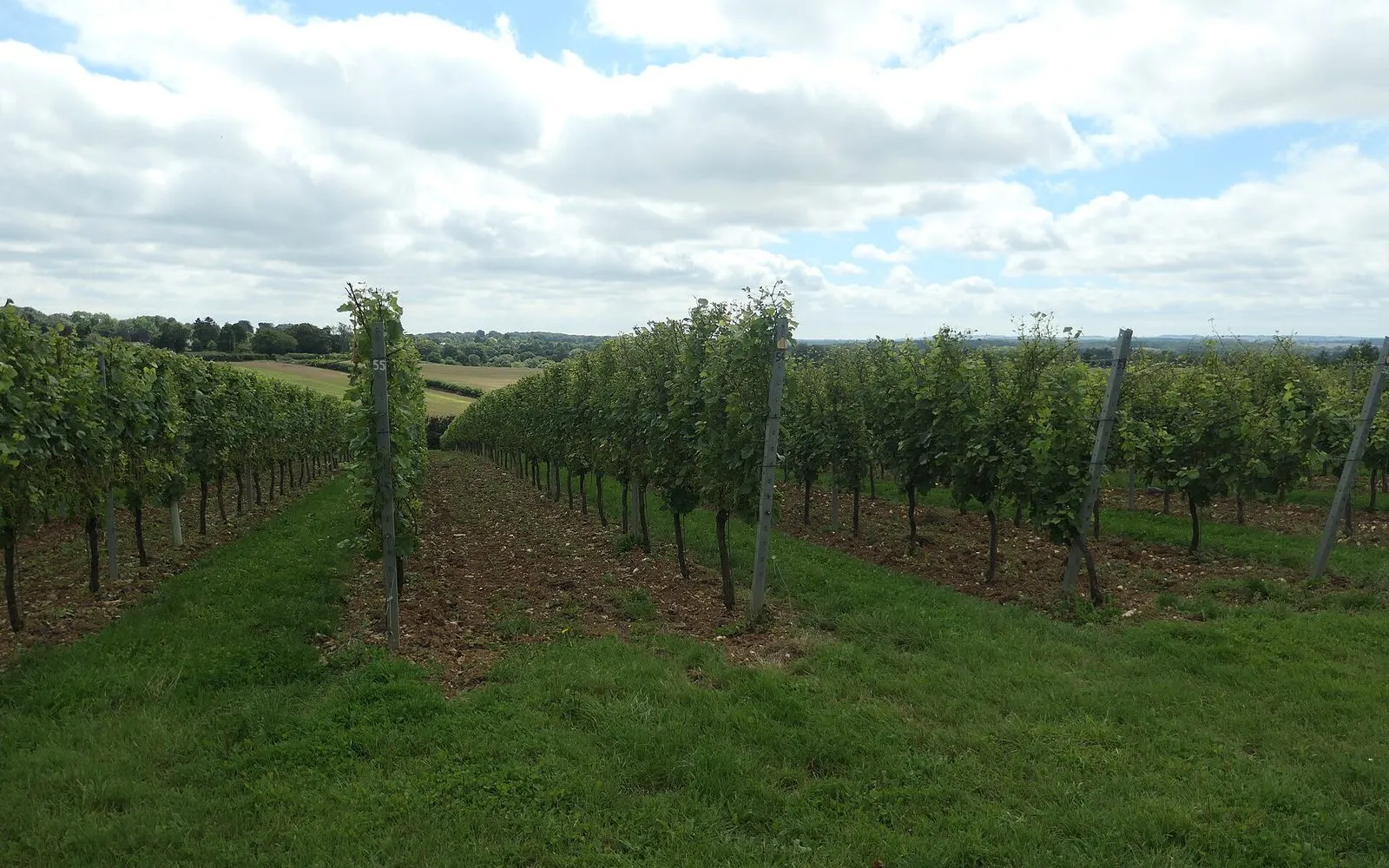
Fruit shows the shift clearly. Olive and fig are grown outdoors far more widely than they were, and the grape vine has moved from a novelty to the basis of an English and Welsh wine industry. Vineyards have expanded as the growing season has warmed. Gardeners are trialling apricot, almond and peach with more success, usually against a warm wall that gathers heat and shelters early blossom.
A mild winter alone does not ripen fruit. These plants still need a warm enough summer to carry a crop to maturity. A cool, wet UK summer can leave a fig or a grape that survived winter well with fruit that never ripens. Winter survival and summer ripening are two different tests, and winter survival has improved faster than summer ripening.
The volatility complicates the gains
A warmer average does not mean steady warmth. Weather swings can reduce some of the gain. A mild winter can bring blossom out early, and a late spring frost can then destroy it, so a warm year can end with less fruit than a cold one. Frost damage becomes a spring risk rather than a winter one.
Water swings the other way. Wetter, stormier winters leave heavy ground waterlogged, which rots the roots of the very Mediterranean plants the mild winters otherwise favour, since those plants die in cold wet soil far sooner than in cold dry soil. Milder winters help those plants, but wetter winters can still kill them.
What starts to struggle
Some traditional plants find the new conditions harder. A number of apples, blackcurrants and other temperate fruits need a set amount of winter chill to flower and crop well, and in mild winters they can get too little, cropping raggedly or late. Cool-summer plants that prefer a damp, temperate rhythm can suffer in the hotter, drier spells the south now sees, scorching or bolting where they used to sit comfortably.
Familiar UK planting will not disappear. Most long-grown plants carry on much as before. A handful become marginal in the other direction because they need winter cold or cool summers that a warming climate supplies less reliably. It helps to know which of your favourites depend on colder winters.
Planting for the UK that is arriving
Use the warming as a reason to experiment, but site new plants for the extremes. Give early fruit a warm wall, Mediterranean plants free-draining soil or a raised bed, and early-flowering plants shelter away from frost pockets. Choose cultivars to fit the new risks, such as low-chill fruit where winters are mild and late-flowering fruit where spring frost is common.
The UK is becoming warmer on average and less steady from year to year. Plant for that range rather than for a gentler average that does not exist.
Common questions
- Is the UK climate getting warmer?
- Yes. Average temperatures have risen, winters have grown milder, and the frost-free growing season has lengthened, in line with the wider warming the IPCC reports. Summers in the south and east are trending hotter and drier, while heavy rain has become more common. The change is uneven across the country and from year to year, but the direction is clear.
- What new plants can I grow in the UK as it warms?
- Milder winters have made once-marginal plants more reliable. Olive, fig and grape vine are increasingly grown outdoors, English vineyards have expanded, and gardeners are trialling apricots, almonds and peaches with more success, often against a warm wall. They still need a warm enough summer to ripen a crop, so a mild winter alone does not guarantee fruit.
- Will traditional UK garden plants still grow?
- Mostly, but some feel the change. Plants that need a cold winter, such as certain apples and blackcurrants that rely on winter chill, can crop less reliably in mild years, and cool-summer plants can suffer in hotter, drier spells. Many familiar plants carry on much as before, while a few become harder to grow well in the warmer, more variable conditions.
- Does a warmer UK climate mean fewer frosts?
- Fewer hard winter frosts, but not necessarily fewer damaging ones. Milder winters bring plants into growth earlier, so a late spring frost can catch soft new growth and blossom that a colder winter would have kept dormant. The risk shifts from deep winter cold to ill-timed spring frost, which can do more harm to a crop.
Sources and further reading
- RHS Gardening in a Changing Climate reportRoyal Horticultural Society, 2017The RHS on how milder winters have broadened what UK gardeners can grow, alongside new risks.
- AR6 Synthesis Report: Climate Change 2023Intergovernmental Panel on Climate Change. IPCC, 2023The warming and rising variability behind milder UK winters and hotter summers.
- RHS hardiness ratingsRoyal Horticultural SocietyThe H1a to H7 scale a UK gardener reads winter hardiness on, and which band a garden now sits in.