
Helping wildlife adapt to climate change: connected gardens
As the climate shifts, wild species must move to track the conditions they can live in. Connected gardens give them more food, water, shelter and routes through towns and suburbs.
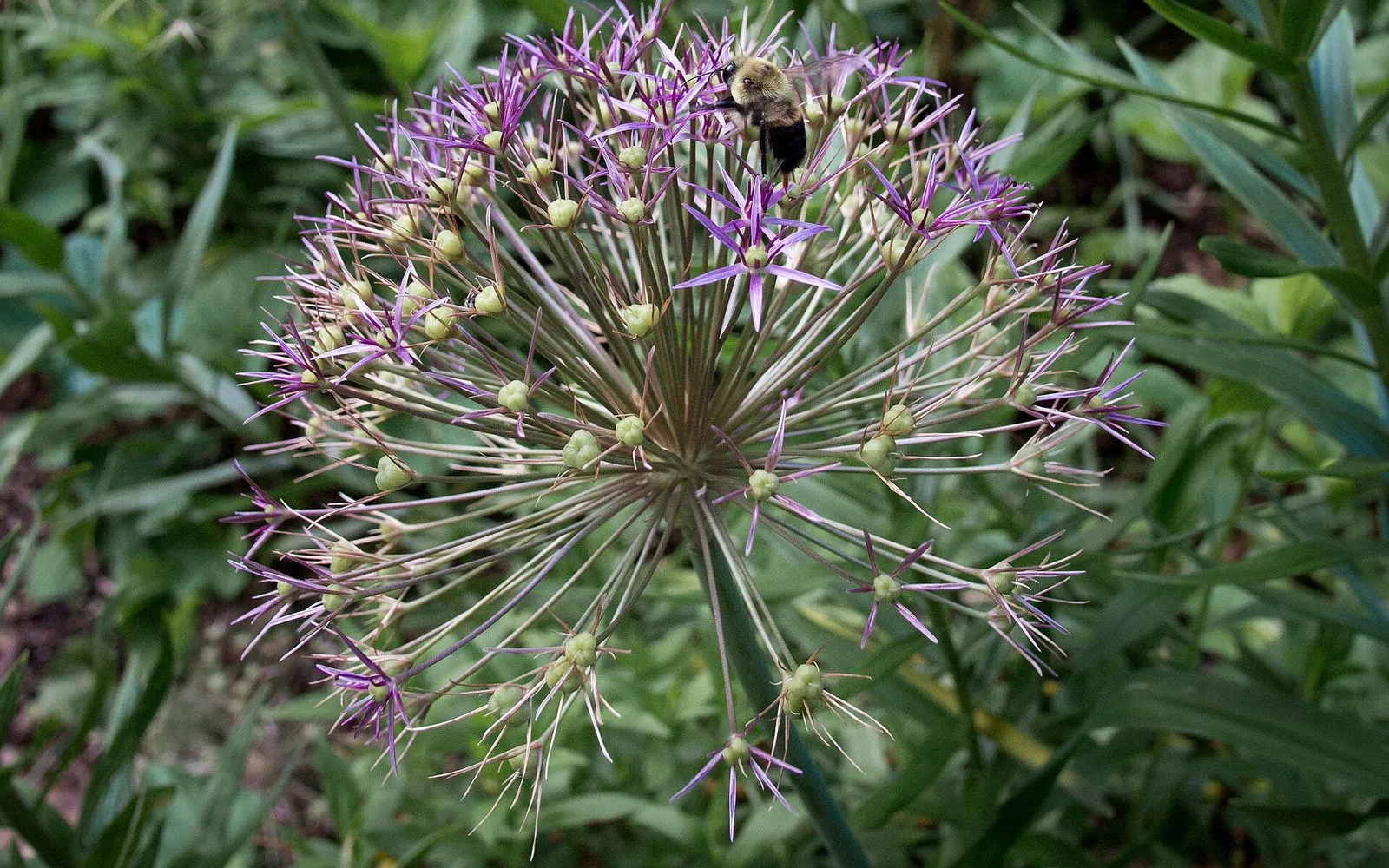
Wildlife in gardens is not fixed in place. As the climate warms, the conditions each species can live in move across the map, often polewards and uphill. Animals and plants need to follow those conditions or their populations can decline. A garden can help by providing food, water, shelter and a route to the next green space.
Gardens matter because their combined area is large. In the UK, garden spaces support over half of the nation’s butterfly, amphibian and reptile species and more than forty per cent of its birds and mammals, according to the Royal Horticultural Society. They also cover three times as much land as all the country’s National Nature Reserves combined. For the wider climate context, see gardening in a changing climate.
Why wildlife has to move
A species lives within a range of conditions, and warming shifts that range across the ground. Many animals and plants are already moving polewards and to higher, cooler ground. A population that cannot move fast enough, or that runs out of suitable ground, comes under pressure.
Warming also changes the timing of the seasons. Spring arrives earlier, but not by the same amount for every species. A caterpillar may hatch before or after the birds that feed it to their chicks, or a pollinator may emerge when fewer of its usual flowers are open. A garden that flowers across a long season gives wildlife more chances to find food.
Connect gardens to other habitat
Wildlife moving across a landscape needs connected habitat, not isolated islands. A single rich garden surrounded by paving and solid fences may be hard for many animals to reach or leave. A chain of gardens, linked to hedges, parks, verges and green spaces, gives wildlife a route through the wider landscape.
Gardeners create that connection together. A hedge instead of a solid fence, a gap at the bottom of a fence, or a line of trees and nectar plants can link one green space to the next. A whole street of connected gardens supports more wildlife than the same gardens fenced off from one another.
Provide food, water and shelter
A useful garden gives wildlife food, water, shelter and somewhere to breed. A diverse planting with a long succession of flowering provides nectar and pollen from the first bulbs of late winter to the last flowers of autumn, with seeds and berries beyond. Native plants support the widest range of insects, and nectar-rich plants such as buddleja and honeysuckle, hedgerow shrubs such as hawthorn, and cottage flowers such as foxglove and borage all feed pollinators through the season.
Water matters more as summers grow hotter and drier. A pond is one of the best single additions for wildlife, and even a shallow dish topped up in a drought gives birds and insects somewhere to drink. Hedges, trees, long grass and a pile of dead wood or leaves in a quiet corner provide shelter, nesting places and overwintering sites. Use fewer pesticides so the insects that feed birds, hedgehogs and beetles remain available.
Small gardens can work together
A typical UK garden was found to hold around two and a half thousand species of plant and animal, and there are millions of gardens. Each garden that plants for a long flowering season, holds a little water, keeps some shelter and links to its neighbours adds to the habitat around it. Wildlife gains most when those small changes connect across many gardens.
Common questions
- How does climate change affect garden wildlife?
- It moves the conditions species depend on. As the climate warms, many animals and plants shift their ranges polewards and to higher ground to stay within the temperatures they can live in. Warming also changes the timing of the seasons, so that a pollinator and the flower it feeds on, or a bird and the caterpillars it feeds its young, can fall out of step. Both the moving and the mistiming put wildlife under pressure.
- How can my garden help wildlife adapt?
- By offering food, water, shelter and a route to the next garden. Plant a wide range of species with a long succession of flowering, add a pond or even a shallow dish of water, keep hedges, trees and some dead wood for shelter and nesting, and go easy on pesticides. Linking your garden to those around it, through a hedge or a gap in a fence, makes many small gardens work as connected habitat.
- What is a wildlife corridor or stepping stone?
- It is a route that lets wildlife move across the landscape. As species shift their ranges under a changing climate, they need connected habitat to move through rather than isolated patches separated by hostile ground. A chain of gardens, hedges, parks and green spaces lets an animal or a plant population move a garden at a time towards the conditions it needs.
- Which plants best support wildlife in a changing climate?
- A diverse mix that flowers across as much of the year as possible, so there is food in every season. Native plants support the widest range of insects, and nectar-rich plants such as buddleja and honeysuckle, hedgerow shrubs such as hawthorn, and cottage-garden flowers such as foxglove and borage all feed pollinators. Variety and a long flowering season matter more than any single perfect plant.
Sources and further reading
- Gardeners are on the frontline of protecting biodiversityRoyal Horticultural SocietyThe figures on what share of UK wildlife gardens support, the land they cover and the species one garden can hold.
- RHS Gardening in a Changing Climate reportRoyal Horticultural Society, 2017The RHS on gardens as habitat and on gardening to support wildlife through a changing climate.
- AR6 Synthesis Report: Climate Change 2023Intergovernmental Panel on Climate Change. IPCC, 2023The warming that is driving species ranges polewards and upslope and shifting the timing of the seasons.