
How climate change is affecting garden pests: new arrivals and milder winters
Warmth that helps a plant through winter helps the insects eating it too. Milder winters, faster breeding and shifting ranges are changing which pests a garden meets.
Warmth that helps a plant survive a winter can also help the insects eating it. The cold that used to kill overwintering pests, keep others out of a region and slow the survivors down is becoming less reliable. Pests are often among the first things in a garden to respond.
The Royal Horticultural Society lists new pests and diseases among the clear garden-scale signs of a warming climate. The change has three parts. Pests survive winters that once killed them, breed faster through warmer seasons, and spread into new areas as climate zones shift. For the wider climate context, see gardening in a changing climate.
Milder winters let more survive
For many pests, winter is the cull. A hard freeze kills the adults, or the eggs and larvae left to overwinter in soil, bark and leaf litter, so a population starts each spring only as large as the cold allowed. As winters soften, more of that overwintering stock lives to spring, and the season begins with a larger pest population that builds faster from an earlier start.
A mild winter can also stop a pest pausing at all. Some insects that would once have been forced dormant by cold now stay active for more of the year, feeding and breeding across a longer season. The same warmth may start plant growth early, so tender new shoots and the pests that feed on them can arrive together.
Warmer seasons speed the breeding up
Most garden pests are cold-blooded, so temperature affects how fast they grow and breed. Warmer conditions let them develop from egg to adult faster and fit more generations into a year. Aphids build quickly in warm spells and can produce generation after generation while the weather stays mild. Spider mites thrive and multiply in hot, dry conditions that also stress the plants they feed on.
More generations mean more damage and more chances for a population to grow faster than its predators. More generations also give pests more opportunities to develop resistance and attack plants already weakened by heat or drought.
Pest ranges are shifting
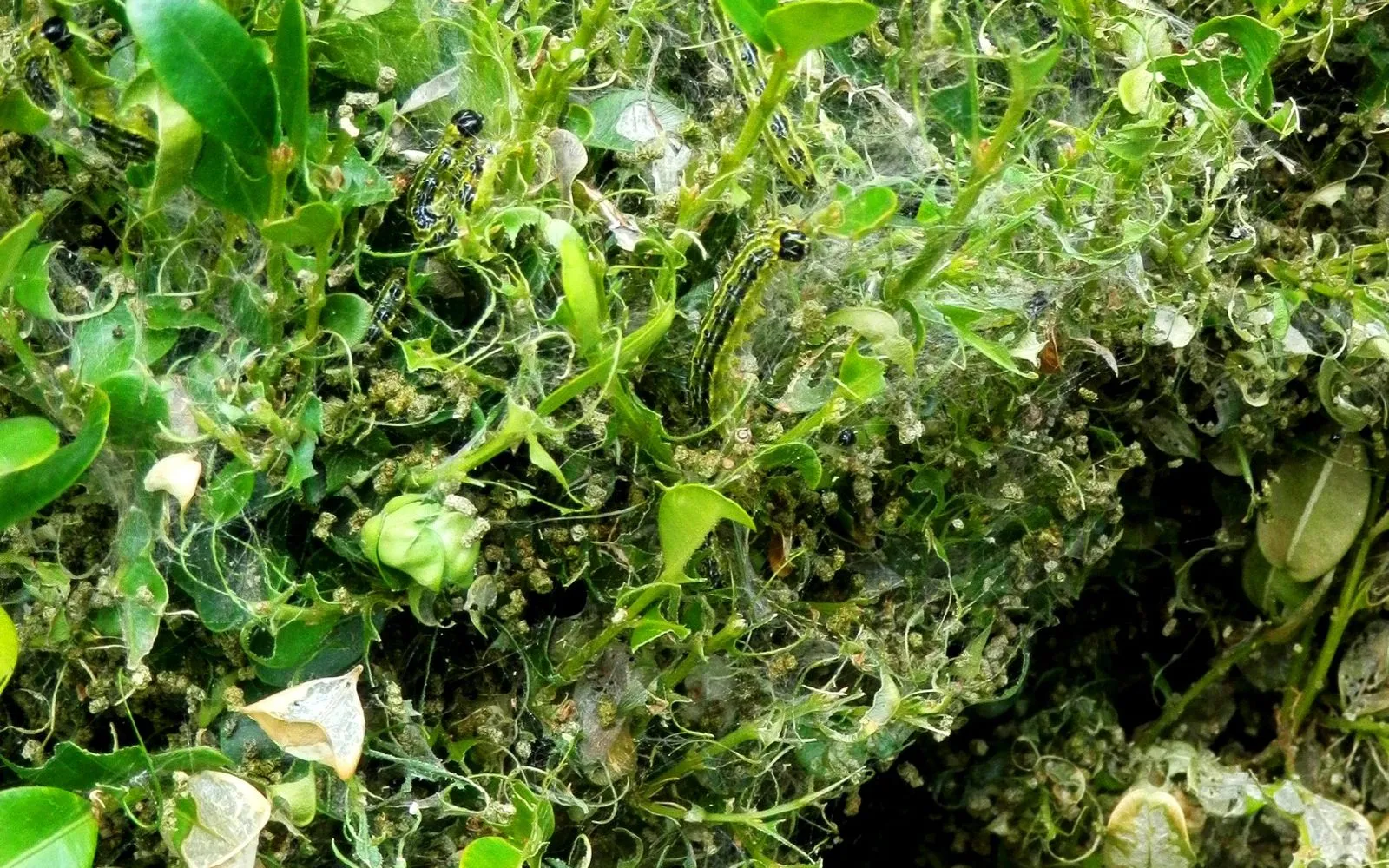
As climate zones shift polewards and upslope, some pests move with them. Species held back by cold can spread into ground that has become warm enough, and gardeners may meet insects their region did not have before. The box tree caterpillar spread rapidly through cooler temperate gardens and strips box hedging to bare stems, the oak processionary moth has established in places it was once absent from, and warm-climate species such as the red palm weevil are the kind that could move further north if winters become mild enough.
Some of these arrivals are regulated. Where a pest is exotic and a threat to crops or trees, a suspected sighting may be legally notifiable, and the right first action is to report it to the local plant health authority rather than to treat it. Which species those are depends entirely on where you garden, so following regional pest alerts is part of gardening in a changing climate.
Keeping new pests out, and managing the ones here
Two habits matter more as pests move. Biosecurity comes first. Pests and diseases travel on plants, soil, firewood and garden waste, so buy healthy plants from reputable sources and avoid moving soil or green waste long distances. Check plants often enough to catch a new pest early, while a small outbreak is still containable.
For pests already present, the response is much the same in any climate. Encourage the predators that keep pests in check, including ladybirds, lacewings, hoverflies, birds and ground beetles. Grow a wide range of flowering plants and avoid sprays that kill predators as well as pests. Use netting and barriers, pick pests off by hand, choose resistant varieties, and keep plants healthy so they tolerate minor damage. Use pesticides last, if at all, especially where predator habitat and physical controls can do the work.
Common questions
- Is climate change making garden pests worse?
- In many places, yes. Milder winters let more pests survive to spring, warmer seasons let them breed faster and fit in more generations a year, and shifting climate zones open new ground to species that could not establish there before. Not every pest benefits, and some are held back by the same changes, but the overall trend is more pest pressure and more unfamiliar pests.
- Which new pests are spreading as the climate warms?
- In cooler temperate regions, warmth-loving species have been extending their range. The box tree caterpillar has spread widely and strips box hedging, the oak processionary moth has become established in some areas, and warm-climate species such as the red palm weevil are the kind that milder winters could let move further north. Which species matter depends on where you garden, so follow local pest alerts.
- Why do warm winters mean more pests?
- Cold winters kill many pests outright, or the eggs and larvae they leave to overwinter. When winters are milder, more of them survive to start the next season, so populations begin the spring larger and build faster. Warm winters can also let a pest stay active for more of the year instead of pausing, giving it more time to feed and breed.
- How can I manage pests without reaching for chemicals?
- Encourage the predators that eat pests, by growing a variety of flowering plants and avoiding sprays that kill them too. Use barriers, netting and hand removal, grow resistant varieties where they exist, and keep plants healthy so minor damage matters less. Use a pesticide last, if at all, and note that many amateur products have been withdrawn, so most of the work is cultural rather than chemical.
Sources and further reading
- RHS Gardening in a Changing Climate reportRoyal Horticultural Society, 2017The RHS warning that a warming climate brings new pests and diseases and helps existing ones spread and survive.
- AR6 Synthesis Report: Climate Change 2023Intergovernmental Panel on Climate Change. IPCC, 2023The warming and milder winters behind shifting species ranges and altered pest life cycles.
- Present and future Koppen-Geiger climate classification maps at 1-km resolutionHylke E. Beck and others. Scientific Data, 2018How climate types move polewards and upslope, opening new ground to species that track them.