
Edible
Lettuce
Lactuca sativa
Also known as Garden lettuce, Cos, Butterhead
How to grow lettuce, Lactuca sativa. The four types, sowing little and often, why lettuce bolts in hot weather, and the milky sap that gives it its name.
At a glance
- Difficulty
- Easy
- Water
- Little and often. Lettuce is shallow-rooted and dries out fast
- Light
- Full sun in spring and autumn, light shade in midsummer
- Temperature
- 10-20 deg C. Above 25 deg C it bolts and germination fails
- Hardiness
- USDA 4-9, RHS H4, hardy to -6 C
- Type
- Annual
- Height
- 20-30 cm, and up to 1 m once it bolts
- Native to
- The Mediterranean and the Near East, bred from prickly lettuce
- Best month
- April in the Northern Hemisphere, October in the Southern Hemisphere
Lettuce seed refuses to germinate above about 25 deg C, a dormancy that no amount of watering overcomes and that catches out every midsummer sowing. Sow in the evening into a watered drill, or chill the seed first. Long days and heat then push established plants to bolt, so warm regions grow it through the cool season.
Hardiness zones describe winter cold alone. Summer heat, humidity, rainfall and the length of the growing season decide as much, so treat the range as the outer limit rather than as a recommendation.
Every month named in this guide is for the temperate Northern Hemisphere. If you garden in the Southern Hemisphere, shift each one by six months, so April becomes October. Closer to the equator the wet and dry seasons matter more than the calendar, and the shift stops being a useful guide.
Not known to be toxic
- Safe to eat
- The leaves
Non-toxic. Lettuce is a salad crop and the ASPCA does not list it among plants harmful to cats, dogs or horses. All parts are edible, though the plant becomes unpleasant rather than dangerous once it bolts. Cut a lettuce stem and it bleeds a white latex, which is where the genus name comes from, since lactuca derives from the Latin for milk. That sap contains lactucarium, a bitter compound with a long folk reputation as a sedative and no reliable evidence behind it. It concentrates as the plant runs to seed, which is why a bolted lettuce tastes bitter and why the leaves are worth picking before the flower stem rises. The wild ancestor, prickly lettuce, holds far more of it and is not a salad plant. The sap can irritate sensitive skin on prolonged contact, which matters to a market grower cutting hundreds of heads rather than to a gardener picking a few leaves.
Sources: ASPCA toxic and non-toxic plants, RHS potentially harmful garden plants
About
Lettuce is the crop that teaches succession sowing. A single packet sown all at once gives thirty lettuces ready in the same fortnight, and a pinch sown every two or three weeks gives salad from May to November.
The other lesson is heat. Lettuce is a cool-season crop that stops germinating above about 25 deg C and runs to seed when it is hot and dry. The gardener’s job in July is shade and water rather than sun.
Cut-and-come-again picking changes the economics entirely. Take the outer leaves and leave the growing point, and a single plant supplies a household for weeks.
Its speed and shallow roots also make lettuce the classic hydroponic crop, the one most commercial salad channels grow.
Appearance and character
A rosette of leaves growing from a short central stem, either loose and open or folded into a dense heart.
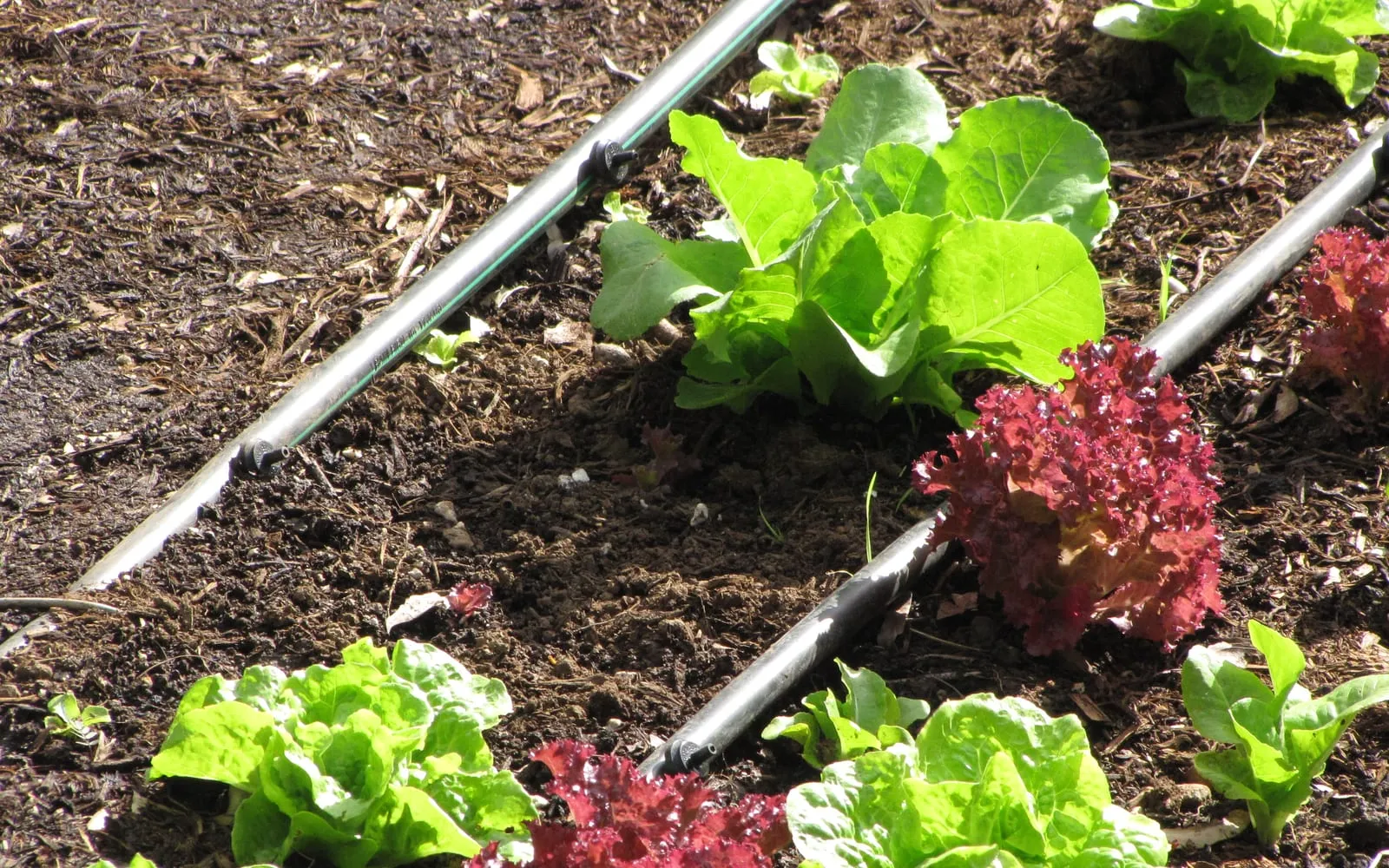
Four types are sold and they behave differently. Butterheads form soft round heads with buttery leaves and mature fast. Cos, or romaine, makes an upright elongated head with crisp ribs and stands heat better than most. Crisphead, including iceberg, forms a tight dense ball and is the fussiest to grow. Loose leaf types such as ‘Salad Bowl’ and ‘Lollo Rossa’ never heart at all and are the ones for cut-and-come-again.
Leaves range from pale green through mid-green to deep red and bronze, and from smooth to frilled, crinkled or oak-leaved.
Once it bolts, the plant sends up a stem to a metre tall carrying small pale yellow dandelion-like flowers.
Cut any part and it bleeds white latex, which is the family signature.
Where it is from
The Mediterranean basin and the Near East, bred from prickly lettuce, Lactuca serriola, a tall bitter roadside weed that still grows across Europe and Britain.
Egyptian tomb paintings from around 2500 BC show a tall upright lettuce grown for its oil-rich seed and associated with the fertility god Min. The Greeks and Romans ate it as a leaf vegetable and selection for large mild leaves ran from there.
Its Mediterranean origins are a mixed inheritance. The plant grows in the cool wet season and flowers in the heat, which is exactly the behaviour that makes it bolt in midsummer.
Domestication removed the spines, reduced the bitterness and delayed the flowering. The tendency to bolt is the wild plant showing through.
How it grows
Sow thinly, 1 cm deep, either direct in drills 30 cm apart or in modules for transplanting.
Germination takes seven to ten days at 10 to 20 deg C. Above about 25 deg C the seed enters thermodormancy and refuses to germinate at all, which is why midsummer sowings fail. Sow in the evening, water the drill first, and shade it.
Thin to 15 cm for loose leaf types, 25 cm for butterheads and 30 cm for cos and crispheads.
Sow a short row every two or three weeks from March to August. That single habit is the difference between a glut and a supply.
Growth to a full head takes eight to twelve weeks. Cut-and-come-again leaves are ready in four to six.
For winter salad, sow hardy varieties such as ‘Winter Density’ or ‘Arctic King’ in August and September under a cloche or in an unheated greenhouse.
Through the seasons
Early spring starts under cover. Sow in modules in February and March in a greenhouse or on a windowsill, and outdoors under cloches from March.
Late spring is the main outdoor sowing period. Keep sowing short rows every fortnight, and protect everything from slugs.
Summer is the difficult season. Sow in light shade, water in the evening, choose bolt-resistant varieties, and expect losses in a heatwave.
Autumn and winter return to easy growing. Sow hardy varieties in August and September for cutting through the winter under cover.
Care difficulty
Easy in spring and autumn, and awkward in high summer, which surprises people who expect a salad crop to like the sun.
Slugs are the main enemy and they can strip a row of seedlings overnight.
Bolting is the summer problem. Heat and drought both trigger it, so use shade, steady water and the right variety.
Water is constant work. Lettuce is shallow-rooted and has a high leaf area, so it wilts within a day in dry weather.
Beyond that it asks for very little. No support, no pruning, no feeding on reasonable ground.
Watering
Water little and often. Lettuce roots sit in the top 15 cm of soil and dry out faster than almost anything else in the bed.
Water in the evening in summer, which reduces evaporation and helps the plants recover overnight.
Keep the moisture even. Swings between dry and wet cause bolting and, in crispheads, tipburn where the leaf margins go brown.
Water the soil rather than the leaves. Wet foliage overnight invites downy mildew and grey mould.
Mulch between the rows once the plants are established.
Warning signs, diseases and pests
Slugs and snails are the defining problem, shredding seedlings and hollowing out hearts. Grow transplants in modules to a decent size before planting out, clear hiding places, and use whatever control you prefer, starting the night after planting.
Bolting shows as a stem rising from the centre of the rosette and the leaves turning bitter. Heat above about 25 deg C and drought are the causes. Sow bolt-resistant varieties for summer, shade the bed, keep it watered, and pick earlier.
Downy mildew produces pale angular patches between the veins with a greyish growth beneath, mainly in damp autumn weather. Space plants generously and ventilate under cover.
Grey mould rots the base and collapses the plant in cool wet conditions. Remove affected plants and avoid overhead watering.
Aphids gather in the heart and are hard to wash out. Root aphid causes sudden wilting on a plant that looks unharmed above ground.
Tipburn, brown scorched leaf margins on crispheads, is a calcium delivery failure caused by uneven watering rather than a disease.
Seed that never germinated in July hit thermodormancy from heat.
Growing environment
Full sun in spring and autumn. In midsummer, light shade for part of the day extends the season considerably.
Moisture-retentive fertile soil with plenty of compost worked in.
Loose leaf types want 15 cm between plants, butterheads want 25 cm, and cos and crispheads need 30 cm.
Containers work very well, particularly for cut-and-come-again leaves. Use a wide shallow trough and keep it watered daily.
Intercropping suits lettuce. It occupies ground quickly and clears before slower neighbours such as sweetcorn or brassicas need the room.
A cold frame or cloche extends the season at both ends by around six weeks.
Feeding
On soil in reasonable heart, lettuce needs no feeding at all.
Work compost into the bed before sowing. That is the main preparation.
A liquid feed every fortnight helps container-grown plants and cut-and-come-again patches that are picked repeatedly.
Avoid heavy nitrogen. It produces soft sappy leaves that attract aphids and rot in wet weather.
Follow a heavily manured crop rather than manuring for lettuce directly.
Troubleshooting
A stem has shot up from the middle and the leaves taste bitter. Bolting from heat or drought. Pull the plant. Sow a bolt-resistant variety, give summer sowings some shade, and water steadily.
Nothing germinated from a July sowing. Lettuce seed goes dormant above about 25 deg C. Sow in the evening into a watered drill, and shade it.
The seedlings vanished overnight. Slugs. Raise plants in modules and plant them out at a decent size.
Brown scorched edges on the inner leaves. Tipburn from uneven watering, common in crispheads. Water evenly.
Pale patches with grey fuzz underneath. Downy mildew. Space the plants further apart and improve airflow.
Everything is ready at once. Sow a short row every two or three weeks instead of a whole packet in March.
How do I pick cut-and-come-again? Take the outer leaves and leave the growing point in the centre. The plant regrows for several cuts.
Can I grow lettuce in winter? Yes, under cover. Sow a hardy variety such as ‘Winter Density’ in August or September in a cold greenhouse or under a cloche.
Lettuce problem guides
Not sure what is wrong? See the common vegetable pests guide.