
Pest
Root aphids
Pemphigus, Eriosoma and Aphis species
Also called Root aphid, Lettuce root aphid, Woolly root aphid, Soil aphids
A plant that flags every afternoon, recovers overnight, then stops recovering. Nothing on the leaves explains it, so knock it out of the pot and look for grey aphids and white waxy powder on the roots.
At a glance
- Type
- Pest
- Cause
- Insect
- Severity
- Weakens the plant
- Affects
- Garden plants, Herbs and edibles, Houseplants
- Active
- May to September
- Established in
- Europe, North America, Central and South America, Africa, Asia, Australia and New Zealand
What you are seeing
- A plant wilting in afternoon sun and picking up overnight, then failing to pick up
- Growth stalled and leaves pale or yellowing with nothing visible on them
- White or bluish waxy powder on the roots and dusted round the inside of the pot
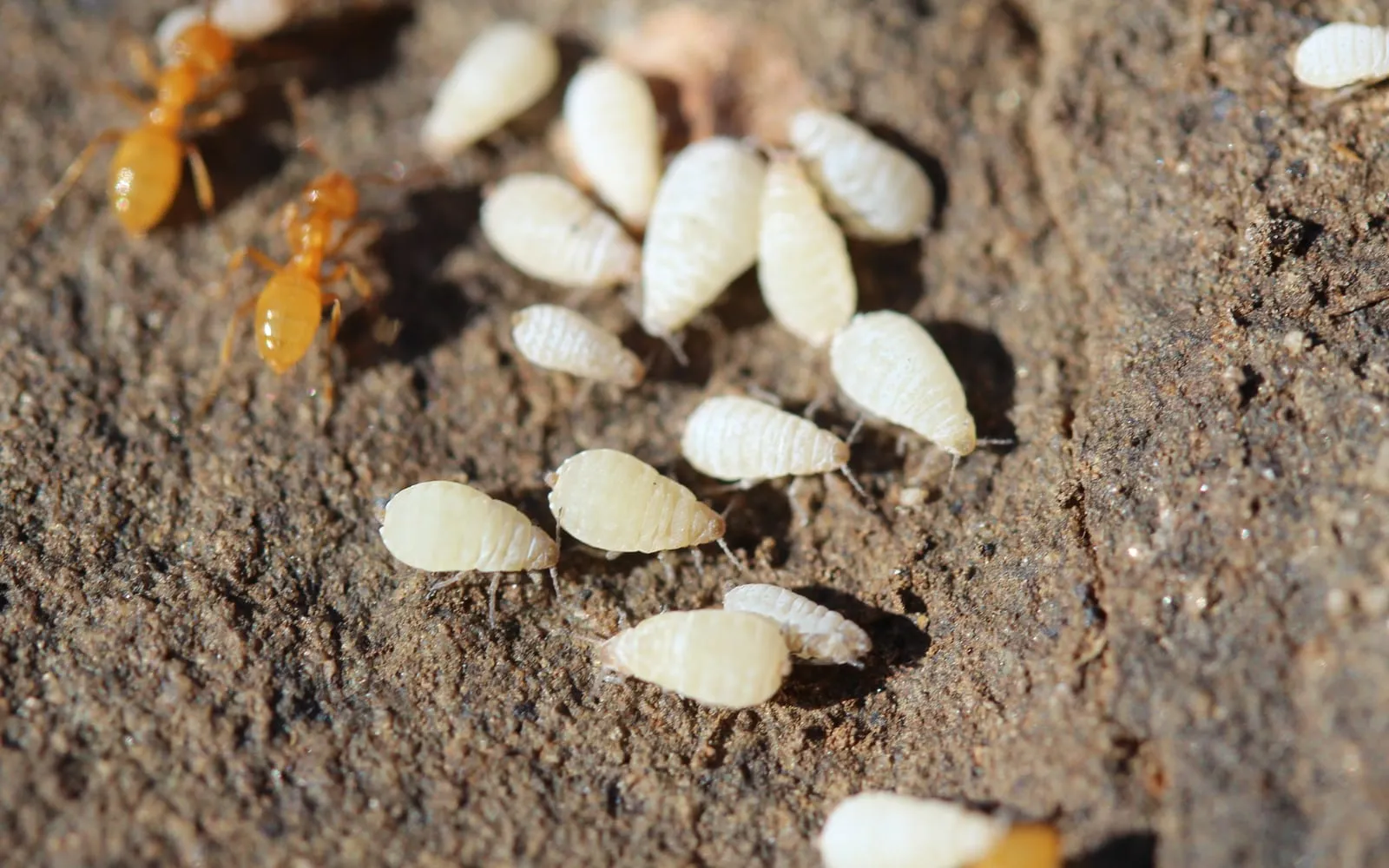
- Small grey, yellow or cream aphids clustered on the roots and the crown, mostly wingless
- Plants collapsing in the row in hot dry weather while their neighbours stand
- Ants running in and out of the soil around the base of the plant
- Lettuce hearts failing to fill and the whole plant lifting out with a thin root system
- Winged aphids appearing in the pot or on the soil surface in late summer
Before you treat anything
Insecticidal soap and soft soap are for ornamental pot plants rather than for food crops, and they are drenched into the compost rather than sprayed at a plant you will be eating within weeks. Lettuce with root aphids is safe to eat once washed, and what you lose is the size and quality of the heart.
What you are looking at
A plant that flags in the afternoon sun and stands back up overnight. You water it, and for a few days that seems to work. Then one afternoon it flags and does not come back.
The leaves have nothing on them. No aphids, no mites, no spots, no webbing. The compost is damp. Growth has stalled and the colour has gone flat, and by the time the plant collapses there is still nothing above ground to explain it.
Knock it out of the pot, or lift it out of the row with a fork, and look at the roots. Root aphids are grey, cream or yellowish, rounded, mostly wingless, and they cluster on the roots and round the crown. Around them is a white or faintly blue waxy powder, dusted over the roots and often stuck to the inside of the pot.
Why nothing you sprayed made any difference
Aphids on a shoot are a problem people solve. The same insect on a root sits under 20 cm of soil, inside a wax coating that repels water, in a place no spray reaches and no routine inspection covers.
So the pattern is a plant declining for weeks with a diagnosis of drought, overwatering, feeding, light or compost, and a run of treatments that change nothing, because the search never went below the surface.
Lift the plant. Any plant wilting with clean leaves and damp compost gets lifted, and that one habit turns a mystery into a two-minute identification.
The poplar half of the story
Lettuce root aphid has a life cycle that explains why it turns up in the same gardens every year.
The winter is spent in galls on the leaf stalks of poplars, where the aphids hatch in spring and breed inside a swelling on the stalk. In early summer winged forms leave the tree and fly to lettuce, endive, chicory and sow thistle, drop to the soil and start colonies on the roots. Numbers build through July and August, which is when hearts fail to fill and plants collapse in hot weather. In autumn winged forms fly back to the poplars and lay the eggs that overwinter.
Where there are no poplars, or under glass and in a warm climate, colonies skip the tree entirely and carry on underground from one crop to the next. That is also how the pest travels in the compost of container-grown plants, and it is why the rice root aphid has ended up on every continent.
A gardener can predict two things from that cycle. A bed near poplars gets infested in early summer whatever you do, so plant a resistant cultivar. A bed that grew infested lettuce last year starts the season carrying the population itself, so rotate.
What separates it from the things it looks like
Vine weevil grubs leave a plant with hardly any root system at all, and the grubs are fat, white, C-shaped and legless with a tan head. Root aphids leave the roots there and covered in wax.
Root mealybugs live in the same place and are the closest call. A mealybug is oval, slow, and wearing a thick mealy coat over its own body. A root aphid is rounder, moves when you disturb it, and the wax is loose powder in the surrounding compost rather than a jacket.
Root rot browns and softens the roots, and they smell and strip when you pull them. Under an aphid colony the roots stay firm and pale.
Ants running in and out of the soil are worth following up rather than treating. They are usually farming the colony for honeydew, and they will carry it to the next plant along.
What to do about it
Lift any wilting plant with clean leaves and damp compost, and look at the roots.
Wash the root ball under a tap, cut off the worst of the damage and repot into fresh compost, scrubbing the old pot out.
Grow the resistant lettuce cultivars wherever you have had it before, and check the catalogue description before buying.
Rotate lettuce, endive and chicory on a four-year cycle and pull the stumps out at harvest.
Water and feed evenly through hot weather so the plant carries the population instead of collapsing under it.
Sow early enough to cut the crop before numbers peak in August.
Expect it every year where poplars stand near the bed, and plan for it rather than fighting it.
Drench soft soap through the compost of an infested ornamental, twice, a week apart.
Water Steinernema feltiae into pots with warm damp compost.
Move the ants rather than poisoning them.
What it gets mistaken for
Drought wilts a plant whose compost is dry and revives it when you water.
Vine weevil eats the roots away and leaves a plant that lifts out of the pot with nothing holding it.
Root rot turns the roots brown, soft and smelling.
Root mealybugs wear a thick white coat rather than sitting in loose powder.
Verticillium wilt takes one side of the plant at a time and browns the inside of the stem.
Potato cyst and other nematodes stunt without leaving anything visible on the root.
What to do, in order
Start here
Prevention, and the changes that stop the problem returning. Most of these pages should end at this tier.
- Rotate lettuce and never follow lettuce with lettuce
- The overwintering stage sits in the soil where the crop grew, so a bed that was infested last summer starts the next one already colonised. Move lettuce, endive and chicory round a four-year rotation and take the crop debris off the bed rather than digging it in.
- Grow the resistant lettuce cultivars where you have had it before
- Resistance to lettuce root aphid is bred into a good number of cultivars and is stated in the catalogue description. On ground with a history this is the single most effective thing available, and it costs no more than the seed you were buying anyway.
- Water and feed so the plant can carry a population
- The damage is the plant running short of water because the aphids are drinking the sap and the root system is under strain. A plant kept evenly watered through a hot spell tolerates numbers that would collapse one already stressed, and the crop finishes.
- Sow early and clear the crop as soon as it is cut
- Colonies build through July and August, so an early lettuce is usually harvested before the numbers matter. Pull the stumps and roots out when you cut rather than leaving them, since they carry the population on into the autumn.
- Do not site a lettuce bed under poplars
- Lettuce root aphid spends the winter in galls on poplar leaf stalks and flies to lettuce in early summer. Where poplars are close, expect it every year and plan for resistant cultivars. Removing a mature tree over a lettuce bed is not a proportionate response, and knowing why it happens every June is worth something.
- Repot houseplants into fresh compost rather than topping up
- A container population lives on in the old compost and in the wax stuck to the pot. Knock the plant out, wash the roots, scrub the pot and repot into new compost, and you have removed most of what was there.
Then reach for a barrier
Netting, hand removal and water. Nothing here harms anything except the target.
- Knock the plant out of the pot and look
- This is the whole diagnosis. A wilting plant with clean leaves has to be lifted before anything is decided, and root aphids are obvious the moment you see them. Every treatment on this page depends on getting that far, and most people spray the foliage of a plant whose problem is 30 cm below.
- Wash the roots clean under a tap
- For a pot plant or a small number of transplants, sluicing the root ball under running water removes most of the colony and all of the wax. Cut away the worst of the damaged roots, repot into fresh compost, and keep the plant shaded for a few days while it recovers.
- Drench with soapy water on ornamentals in pots
- A soft soap or insecticidal soap solution poured through the pot until it runs out of the bottom kills what it touches, and the wax coating makes that less than you would like. Repeat after a week. Do not use it on anything you are going to eat, and test one plant first, since some roots dislike it.
- Deal with the ants
- Ants move root aphids from plant to plant and defend them, so an ant nest under a bed keeps a colony going. Move the nest rather than poisoning it, by repeatedly flooding it or lifting the paving it sits under.
Then bring in the predators
Encourage what already lives in the garden, and buy predators in where the problem is under glass and nothing will arrive on its own.
- Water on Steinernema feltiae
- These nematodes hunt in the compost and take root aphids among other soft-bodied soil insects. They work best in a pot, where the whole root zone can be soaked, and disappoint in open ground where the colony is spread out. Soil above 12 deg C, thoroughly watered before and after.Sold across Europe and North America for soil-dwelling pests, often labelled for fungus gnats and vine weevil. Australia and New Zealand approve far fewer species and prohibit releasing an unapproved one, so check the local register.
- Leave the predators in the soil alone
- Ground beetles, rove beetles, predatory mites and the larvae of hoverfly and lacewing all take root aphids where they can reach them. A soil with organic matter in it and no routine drenching carries more of them.
Biological controls are live organisms and their sale and release are regulated country by country. An agent sold freely in one place may be unapproved in another, so buy from a licensed supplier where you live and never import or move one yourself.
Plants affected
Guides that name it among the problems to watch for. The list is the plants it is characteristic of rather than everything it will feed on.
A common houseplant pest
This is one of the pests and problems that houseplant owners meet most often. See it alongside the others, with a quick table for telling them apart, on the houseplant pests guide.
Common houseplant pestsA common vegetable pest
This is one of the pests that vegetable growers meet most often. See it alongside the others on the vegetable pests guide, grouped by how they feed and with prevention that works against most of them.
Common vegetable pests