
Edible
Pak Choi
Brassica rapa subsp. chinensis
Also known as Bok choy, Chinese white cabbage, Pak choy
How to grow pak choi, Brassica rapa subsp. chinensis. Why it bolts and how sowing after midsummer stops it, beating flea beetle and slugs, and cutting it young.
At a glance
- Difficulty
- Easy
- Water
- Little and often. The roots are shallow and dry fast
- Light
- Full sun in spring and autumn, light shade in midsummer
- Temperature
- 15-20 deg C. Bolts in heat and in long days
- Hardiness
- USDA 4-10, RHS H4, hardy to -5 C
- Type
- Annual, or a biennial run as an annual
- Height
- 15-30 cm
- Native to
- Eastern Asia
- Best month
- July in the Northern Hemisphere, January in the Southern Hemisphere
Long days and a cold check both send it to seed, so it bolts in spring from either cause and behaves itself in autumn. Sow after midsummer for the dependable crop. In the subtropics it grows through the cool season and is sown almost year-round.
Hardiness zones describe winter cold alone. Summer heat, humidity, rainfall and the length of the growing season decide as much, so treat the range as the outer limit rather than as a recommendation.
Every month named in this guide is for the temperate Northern Hemisphere. If you garden in the Southern Hemisphere, shift each one by six months, so July becomes January. Closer to the equator the wet and dry seasons matter more than the calendar, and the shift stops being a useful guide.
Not known to be toxic
- Safe to eat
- The whole plant, leaves and stalks together, raw or cooked
Pak choi is a food crop and carries no toxicity concern for people. The RHS does not list it as a potentially harmful garden plant and the ASPCA does not list Brassica rapa as toxic to cats and dogs, though a dog eating a quantity of any raw brassica is likely to get wind and a loose stomach from the glucosinolates. Pak choi is unusually low in those compounds compared with mustard greens or radish, which is why it tastes mild. It shares the vitamin K content of the other brassicas, enough to be worth a mention for anybody on warfarin, where a steady intake matters more than avoidance. There is one recorded case of severe hypothyroidism in a woman who ate around a kilogram of raw pak choi daily for several months, which is a quantity nobody reaches by accident and which cooking would have prevented.
Sources: RHS potentially harmful garden plants, ASPCA toxic and non-toxic plants
About
Pak choi is the fastest vegetable in this guide collection. Thirty days from sowing to a baby head and forty-five to a full one, which puts it in a class with radish rather than with the cabbages it resembles.
The speed comes with one condition, and it decides whether you get a crop. Sowing before midsummer gives plants that bolt, because long days and rising temperatures both push Brassica rapa into flower. Sow from mid-July onwards and the same seed makes heads instead.
Growers who have failed at pak choi have almost always failed at this one point. The packet says March to September and the plant means July to September.
Appearance and character
A loose upright rosette rather than a solid heart, 15 to 30 cm tall, with the leaves overlapping at the base and opening out above.
The stalks are the distinguishing feature. Thick, crisp, juicy and either pure white or the same pale green as the leaf depending on the variety, running a third to half the length of the plant.
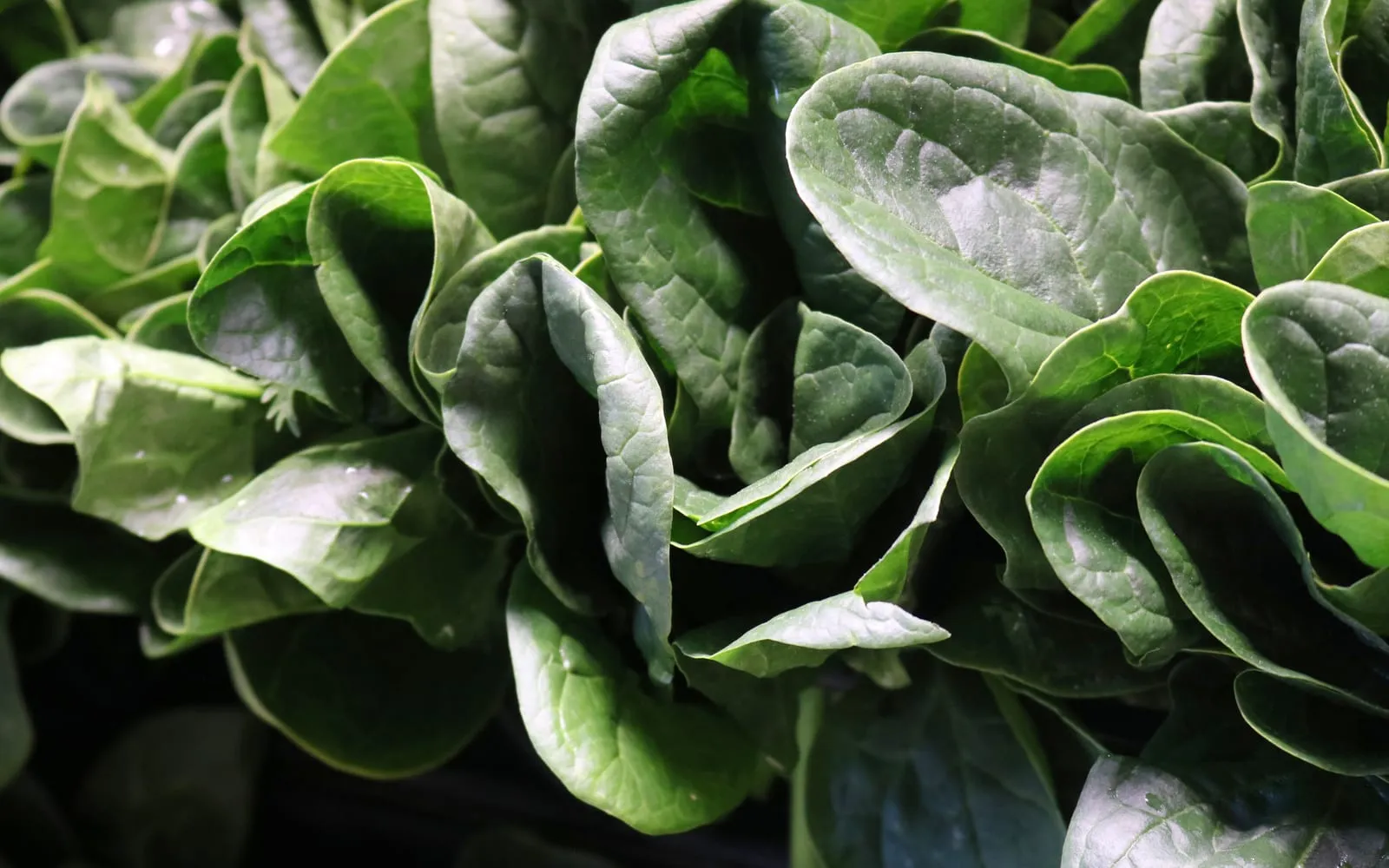
Leaves are broadly oval to spoon-shaped, smooth, glossy and deep green, with a prominent pale midrib and no lobing.
Flavour is mild and faintly sweet with a hint of mustard in the leaf and almost none in the stalk. Both cook in minutes and the stalk stays crunchy where the leaf collapses.
A bolting plant sends a flowering stem up through the middle of the rosette within days, opening small yellow four-petalled flowers. The leaves turn bitter as it goes.
Where it is from
Pak choi is Brassica rapa, the same species as the turnip, mizuna, tatsoi and Chinese cabbage. The Asian leaf forms were selected in China, where cultivation is recorded from at least the fifth century and probably much earlier.
The name is Cantonese, from baak choi, meaning white vegetable, and refers to the stalks. Mandarin gives bai cai, and the American “bok choy” is the same Cantonese word through a different transliteration.
Chinese cabbage, the tall barrel-shaped one used for kimchi, is a separate subspecies of the same plant, pekinensis, selected for a dense head instead of an open rosette.
Britain has grown it since the 1970s, when Joy Larkcom’s seed-collecting trips to Asia brought a generation of oriental vegetables into British catalogues. The autumn sowing window she identified is the reason the crop works in a cool climate at all.
How it grows
Sow direct. Pak choi has a taproot and resents transplanting, and a checked plant bolts, which is exactly what you are trying to avoid.
Sow thinly at 1 cm deep in rows 30 cm apart, then thin to 10 cm for baby heads or 25 cm for full-sized ones. The thinnings are worth eating.
Germination takes four to seven days in warm soil.
Cut baby heads at 15 cm tall, around thirty days from sowing, or leave them to fill out for another fortnight. Cut the whole plant at the base with a knife rather than pulling it.
Some varieties resprout from the stump if cut high and watered, giving a second smaller picking. It is worth trying and not worth relying on.
Sow every fortnight from mid-July to early September for a continuous autumn supply.
Through the seasons
Spring is for sowing under cover only, in a polytunnel or cold frame in March, harvested as baby leaves before the days lengthen enough to trigger bolting. Outdoor spring sowings are a waste of seed.
Summer before mid-July is the wrong time. Long days and heat put the plant into flower before it makes a head. Grow something else in the space.
Late summer is the season. Sow from mid-July every fortnight. Shortening days and cooling nights are exactly what the plant wants, and the flea beetle pressure has fallen by then too.
Autumn is the harvest, running into November outdoors and later under a cloche. Pak choi takes a light frost and the flavour improves after one.
Care difficulty
Easy in the right window and impossible outside it.
Bolting is the whole difficulty. Sow after midsummer, sow direct rather than transplanting, never let the plants dry out, and choose a bolt-resistant variety such as ‘Joi Choi’ if you want to push the season earlier.
Slugs are the second problem and are worse than for most brassicas, because the crop is soft, low and grown through a damp autumn. A wet September can take a whole row of seedlings.
Flea beetle is a spring and early summer problem that mostly misses the sowing window this crop should be using.
Watering is the routine job. The plant is shallow-rooted, fast-growing and mostly water, so any check shows up immediately.
Watering
Water little and often. Pak choi has shallow roots and grows so fast that a dry day is a checked plant, and a checked plant bolts.
Aim to keep the top 15 cm damp at all times. In a dry September that means every day or two.
Water at the base rather than over the leaves. Wet foliage overnight in autumn invites downy mildew and gives slugs a comfortable evening.
Mulch lightly with compost after thinning. It holds moisture and keeps the soil cool without giving slugs a permanent home.
Container growing suits this crop, since the short season and shallow roots fit a 20 cm pot. Water daily.
Warning signs, diseases and pests
Bolting is the failure that ends the crop. A flower stem rises through the rosette and the leaves turn bitter within days. Nothing rescues it. The preventions are all in the timing, so sow after mid-July, direct rather than transplanted, and keep the water up.
Slugs and snails shred the leaves and graze seedlings off at ground level. Water in the morning so the surface dries by dusk, keep the mulch thin, and go out with a torch on the first damp evening after sowing.
Flea beetle peppers the leaves with small round holes. The damage is cosmetic on an established plant and fatal on a seedling. Fine mesh from sowing solves it, and a July sowing largely sidesteps it.
Cabbage white caterpillars strip the leaves in late summer. Net with 7 mm mesh or pick them off.
Small pinholes and papery windowpane patches, with a thin pale green caterpillar that drops off on a silk thread when touched, is diamondback moth. It breeds year-round through much of Asia, where this crop is grown most, and is the most economically damaging brassica pest worldwide. The same mesh keeps it off.
Downy mildew shows as yellow patches above and grey mould beneath in a wet autumn. Space the plants, water at the base, and remove affected leaves.
Clubroot and cabbage root fly both apply, as to every brassica, and both are less likely in a crop that occupies the ground for six weeks.
Growing environment
Full sun for spring and autumn crops. Light shade in midsummer reduces bolting, and an east-facing bed that loses the afternoon sun is a good position for a July sowing.
Fertile, moisture-retentive soil is what the crop needs to grow at the speed that makes it worth growing. Work in garden compost before sowing.
Lime to pH 6.5 or 7 as for all brassicas.
Shelter helps. The stalks are brittle and a strong autumn wind snaps them.
Rotate on four years with the other brassicas, though the short occupancy makes this crop easier to fit into a rotation than most.
Cloches or fleece extend the autumn harvest by a month and keep the leaves clean.
Feeding
Work garden compost into the bed before sowing. Pak choi grows too quickly to respond to feeding applied later, so what it needs has to be there at the start.
One balanced liquid feed halfway through the crop helps on poor or sandy soil and in containers.
Nitrogen-rich feeds suit a leaf crop, though they are rarely needed on a bed with compost in it and they soften the plant against slugs.
Avoid fresh manure, which is unnecessary for a six-week crop and encourages soft growth.
Troubleshooting
It flowered before making a head. Bolting, from sowing too early in the year. Sow after mid-July, sow direct, and keep the plants watered.
Small round holes all over the leaves. Flea beetle. Cover with fine mesh from sowing, or sow later in the summer when the adults have finished.
Seedlings vanished overnight. Slugs. Water in the morning, thin the mulch, and patrol on damp evenings.
Leaves stripped to the ribs. Cabbage white caterpillars. Net with 7 mm mesh.
Yellow patches on top, grey fuzz underneath. Downy mildew in a wet autumn. Space the plants further apart and water at the base.
The plants are tough and bitter. Either the plant has started to bolt or it went short of water. Both are prevented rather than cured.
Will it regrow after cutting? Sometimes. Cut 3 cm above the base, water, and you may get a second smaller head. Treat it as a bonus.
Is bok choy the same thing? Yes. Bok choy and pak choi are the same plant under two transliterations of the same Cantonese name.
Pak Choi problem guides
Not sure what is wrong? See the common vegetable pests guide.