
Edible
Kumquat
Citrus japonica
Also known as Cumquat, Fortunella, Marumi kumquat, Nagami kumquat
How to grow kumquat, Citrus japonica. A small citrus eaten whole, skin and all, and among the most cold-tolerant of the group.
At a glance
- Difficulty
- Moderate
- Water
- When the top few centimetres dry, so twice weekly in summer and monthly in winter
- Light
- Full sun outdoors in summer, bright light in winter
- Temperature
- Minimum 3-5 deg C, and it tolerates brief light frost
- Humidity
- Moderate
- Hardiness
- USDA 8-11, RHS H3, hardy to -8 C
- Type
- Evergreen shrub, long-lived
- Height
- 1-2 m in a container
- Native to
- Southern China
- Best month
- December, January and February in the Northern Hemisphere, June, July and August in the Southern Hemisphere
Southern China, and the hardiest of the plants sold as citrus, taking around -8 deg C once dormant. It differs from the rest in going properly dormant in cool weather rather than growing on, which is what buys the extra cold tolerance. The skin is the sweet part.
Hardiness zones describe winter cold alone. Summer heat, humidity, rainfall and the length of the growing season decide as much, so treat the range as the outer limit rather than as a recommendation.
Every month named in this guide is for the temperate Northern Hemisphere. If you garden in the Southern Hemisphere, shift each one by six months, so December becomes June. Closer to the equator the wet and dry seasons matter more than the calendar, and the shift stops being a useful guide.
Skin irritant
- Safe to eat
- The whole fruit, skin included
- Do not eat
- Peel oils and leaves, for pets
- Harm from
- Eating it and handling it
- Affects
- Cats, dogs and horses
The fruit is food. The entry that matters is the veterinary one. The ASPCA lists citrus as toxic to cats, dogs and horses, on the strength of the essential oils and psoralens concentrated in the peel, the pith and the leaves rather than anything in the flesh. A pet that chews peel or foliage may vomit or develop a skin reaction, and citrus oil products marketed as pet deterrents have caused poisoning at concentrated doses. Sap and leaves can also irritate human skin, and the psoralens they carry are phototoxic, so a scratch from a thorn followed by strong sunlight sometimes produces a burn out of proportion to the wound. Wear sleeves when pruning a thorny plant on a bright day.
Sources: RHS potentially harmful garden plants, ASPCA toxic and non-toxic plants
About
Kumquat reverses the usual citrus arrangement. The skin is sweet and the flesh is sour, so the fruit is eaten whole and the two balance each other in the mouth.
The plant is small, neat and among the most cold-tolerant citrus, taking brief light frost that would damage a lemon. That combination makes it the easiest citrus to keep in a container.
It also goes dormant more readily than other citrus, which suits our winters. Where a lime keeps trying to grow in poor light, a kumquat rests.
Fruiting is generous for the size of the plant. A shrub 1 m tall can carry a hundred small orange fruit through midwinter, which is a considerable ornament in itself.
Appearance and character
A small dense evergreen shrub with fine twiggy growth, usually thornless or with a few small spines.
Leaves are small, 4 to 8 cm, narrow, glossy dark green above and paler beneath.
Flowers are white, 1.5 cm, scented, opening in mid to late summer, which is later than most citrus.
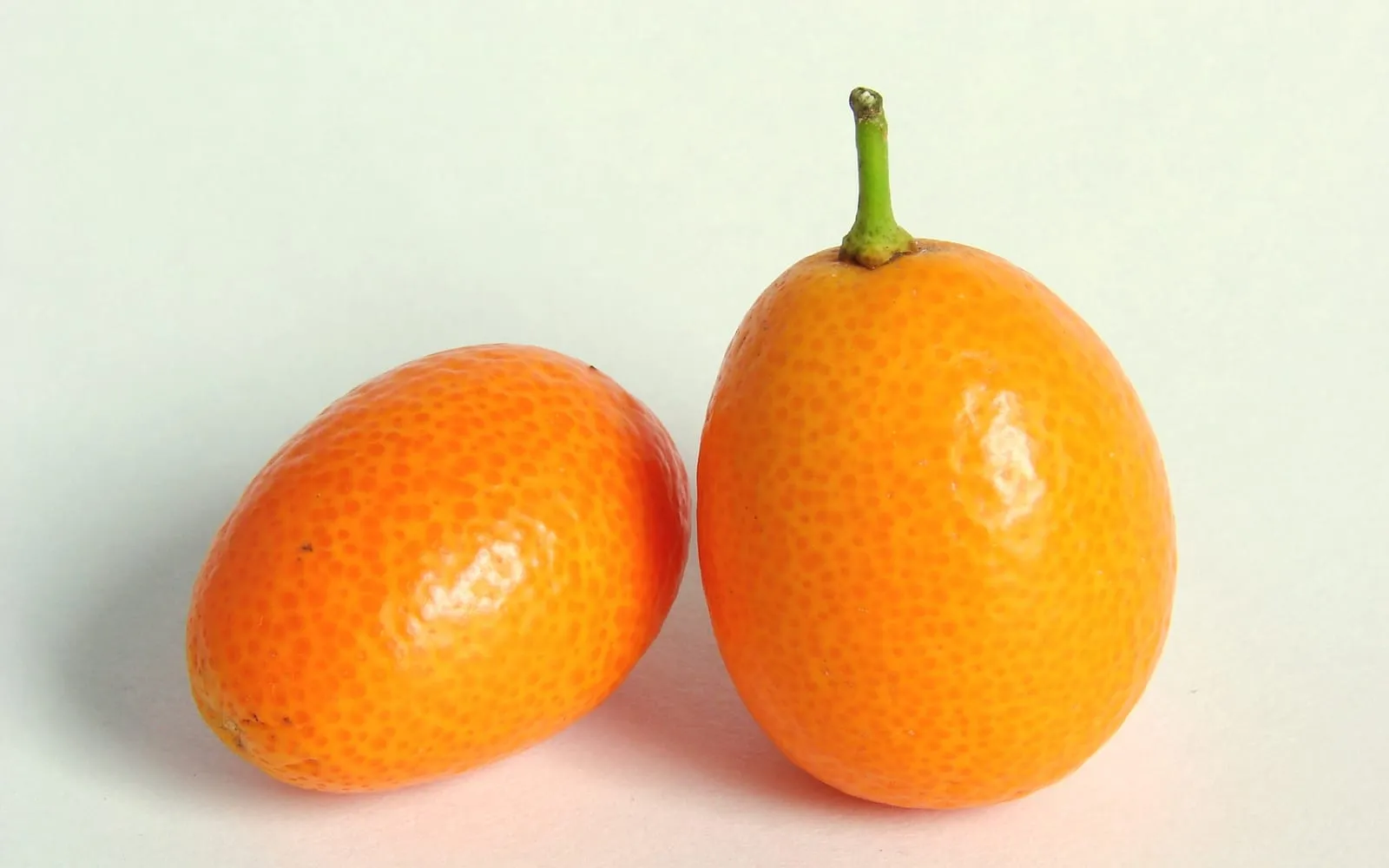
Fruit is small and oval in ‘Nagami’ or round in ‘Marumi’, 2 to 4 cm long, bright orange, with a thin sweet peel and sour flesh containing a few seeds.
The fruit holds on the plant for months, so a kumquat in fruit is an ornamental plant through the whole winter.
Where it is from
Kumquat originates in southern China, where it has been grown for well over a thousand years.
Botanists have moved it repeatedly between the genus Fortunella and Citrus, and current treatment places it in Citrus, though nurseries still sell it under both names.
The genus name Fortunella honoured Robert Fortune, the plant hunter who introduced it to Europe in 1846 and who is better known for taking tea plants out of China.
It is a fixture of Lunar New Year celebrations in southern China and Vietnam, where potted fruiting plants are given as symbols of prosperity.
Its natural range gives it a cooler tolerance than tropical citrus, which is exactly why it works in a conservatory.
How it grows
Buy a grafted plant. ‘Nagami’ is the oval sour-fleshed standard and ‘Meiwa’ is rounder and sweeter.
Pot into free-draining citrus compost, which matters as much here as for any citrus.
Stand it outside from late May in full sun, and bring it in during October to a cool bright position at 3 to 10 deg C.
Kumquat tolerates a cooler winter than most citrus, and a frost-free porch or unheated conservatory suits it well.
Water thoroughly and let the compost dry down, reducing sharply in winter.
Prune lightly in spring to maintain the neat shape, and repot every two or three years.
Through the seasons
Growth starts in spring, and the plant puts on new shoots through early summer.
Flowering is late, usually July and August, which sets kumquat apart from the spring-flowering citrus.
Fruit sets in late summer and develops through autumn.
Bring the plant under cover in October, switching to winter citrus feed and much less water.
Fruit colours through late autumn and is ripe from December to February, holding on the plant for weeks.
Pick as needed. The fruit stays in good condition on the shrub far longer than it does off it.
Care difficulty
Moderate, and the most forgiving citrus for a temperate grower.
Greater cold tolerance and a genuine winter rest remove most of the problems that affect limes and grapefruit in a dim cool winter.
The plant is small and slow, so it stays manageable in a pot for many years.
The usual citrus watering discipline still applies, and overwatering is still the main cause of loss.
Pests are the same as for any citrus and no worse.
Watering
Water thoroughly until it drains, then wait until the top few centimetres dry.
Twice weekly outdoors in summer, and as little as monthly in a cool winter position.
Reduce water sharply as soon as the plant comes indoors and growth slows.
Never leave the pot standing in water.
Use rainwater where possible to avoid the yellowing that hard water causes.
Warning signs, diseases and pests
Leaf drop in winter. Overwatering or a warm dry room. A cool bright position suits this plant better than a heated one.
Yellow leaves with green veins. Iron shortage from hard water. Use sequestered iron and rainwater.
Brown bumps along stems. Scale insects. Scrub off with soapy water.
White waxy fluff in leaf joints. Mealybug. Dab with horticultural soap.
Speckled leaves with webbing. Red spider mite in dry air. Mist and raise humidity.
Fruit dropping before ripening. Water stress, or a plant carrying more than it can support.
Blotchy yellow leaves with small, lopsided, bitter fruit that stays green at the base. Citrus greening, the world’s most destructive citrus disease and incurable once a tree is infected. Not established in Europe, Australia or New Zealand, where a sighting is reportable. Buy trees only from a certified, disease-free nursery.
Growing environment
Full sun outdoors from late May to October.
A cool bright winter position at 3 to 10 deg C. Kumquat tolerates the cold end of the citrus range and appreciates a genuine rest.
Free-draining citrus compost at pH 6 to 6.5.
Shelter from strong wind outdoors.
A pot of 30 to 40 cm suits a mature plant, which stays smaller than any other citrus here.
Feeding
Feed fortnightly with summer citrus feed from March to October.
Switch to winter citrus feed monthly through the cold months, or stop entirely if the plant is being kept cool enough to rest.
Avoid overfeeding a small slow-growing plant, which produces soft growth and little extra fruit.
Sequestered iron corrects hard-water yellowing.
Top-dress with fresh compost in spring between repottings.
Troubleshooting
Flowers in August with no fruit. Poor pollination indoors. Brush between flowers.
Fruit very sour. ‘Nagami’ has sour flesh by nature and is eaten whole so the sweet skin balances it. ‘Meiwa’ is the sweeter variety.
Plant losing leaves in a heated room. Too warm and too dry. Move it somewhere cooler and brighter.
Slow growth. Normal. Kumquat is naturally slow and compact.
Fruit shrivelling on the plant. Underwatering, or fruit held long past ripeness.
Plant sold as Fortunella. The same thing under an older name.
Kumquat problem guides
Not sure what is wrong? See the common vegetable pests guide.
- Scale insects on stems and leaf ribs
- Mealybug in the leaf joints
- Red spider mite in dry winter air
- Sooty mould growing on the honeydew those pests leave
- Leaf drop from cold draughts, overwatering or a sudden move
- Root rot from standing in water, which kills more citrus than cold
- Citrus greening, absent from Europe, Australia and New Zealand but present across much of the Americas and Asia