
Edible
Liquorice
Glycyrrhiza glabra
Also known as Licorice, Sweet root, Spanish juice
How to grow liquorice, Glycyrrhiza glabra. The three years before you can lift the root, containing its wandering runners, and the Pontefract trade.
At a glance
- Difficulty
- Moderate
- Water
- Weekly in dry weather through the growing season
- Light
- Full sun
- Temperature
- Hardy to about -20 deg C. It dies down each winter
- Hardiness
- USDA 6-10, RHS H5, hardy to -20 C
- Type
- Hardy herbaceous perennial
- Height
- 80-150 cm
- Native to
- southern Europe, western Asia
- Best month
- June and October in the Northern Hemisphere, December and April in the Southern Hemisphere
Three to four years pass before a root is worth lifting, and it wants deep sandy soil to make one, since anything shallow or stony gives a tangle of thin roots. It runs by rhizome and a bed becomes permanent. Long hot summers raise the glycyrrhizin, which is why the trade sits in Turkey, Iran and central Asia.
Hardiness zones describe winter cold alone. Summer heat, humidity, rainfall and the length of the growing season decide as much, so treat the range as the outer limit rather than as a recommendation.
Every month named in this guide is for the temperate Northern Hemisphere. If you garden in the Southern Hemisphere, shift each one by six months, so June becomes December. Closer to the equator the wet and dry seasons matter more than the calendar, and the shift stops being a useful guide.
Toxic if eaten
- Safe to eat
- The root
- Do not eat
- The root in sustained quantity, because of glycyrrhizin
- Harm from
- Eating it
- Affects
- People
Liquorice root is a food and a medicine and the caution attached to it is real and specific. Glycyrrhizin, the compound that makes it sweet, causes the body to retain sodium and lose potassium, which raises blood pressure and can cause muscle weakness and irregular heart rhythms. Eating around 50 g of liquorice confectionery a day for two weeks has been enough to produce problems in documented cases, and the United States Food and Drug Administration has issued warnings after hospital admissions and at least one death linked to heavy consumption. The European Union recommends no more than 100 mg of glycyrrhizin a day. Anyone with high blood pressure, heart or kidney problems, or on diuretics, should be careful with it, and it is advised against in pregnancy. Most liquorice-flavoured sweets in Britain use anise rather than liquorice, which is a separate matter entirely.
Sources: NCCIH on liquorice root, usefulness and safety, RHS potentially harmful garden plants
About
Liquorice is a hardy perennial legume grown for its root, and it will grow perfectly well in Britain. It was a serious crop here. Pontefract in Yorkshire grew it from the sixteenth century, the sandy soil suited it, and Pontefract cakes are still named for the town.
The commitment is time. A root takes three or four years to build enough substance to be worth lifting, and lifting it means digging up the plant. This is not a crop for the impatient.
It also wanders. The plant spreads by long horizontal runners that travel several metres underground and throw up new stems wherever they surface, which is convenient if you want a liquorice bed and a genuine nuisance in a border. Give it ground it can have.
Appearance and character
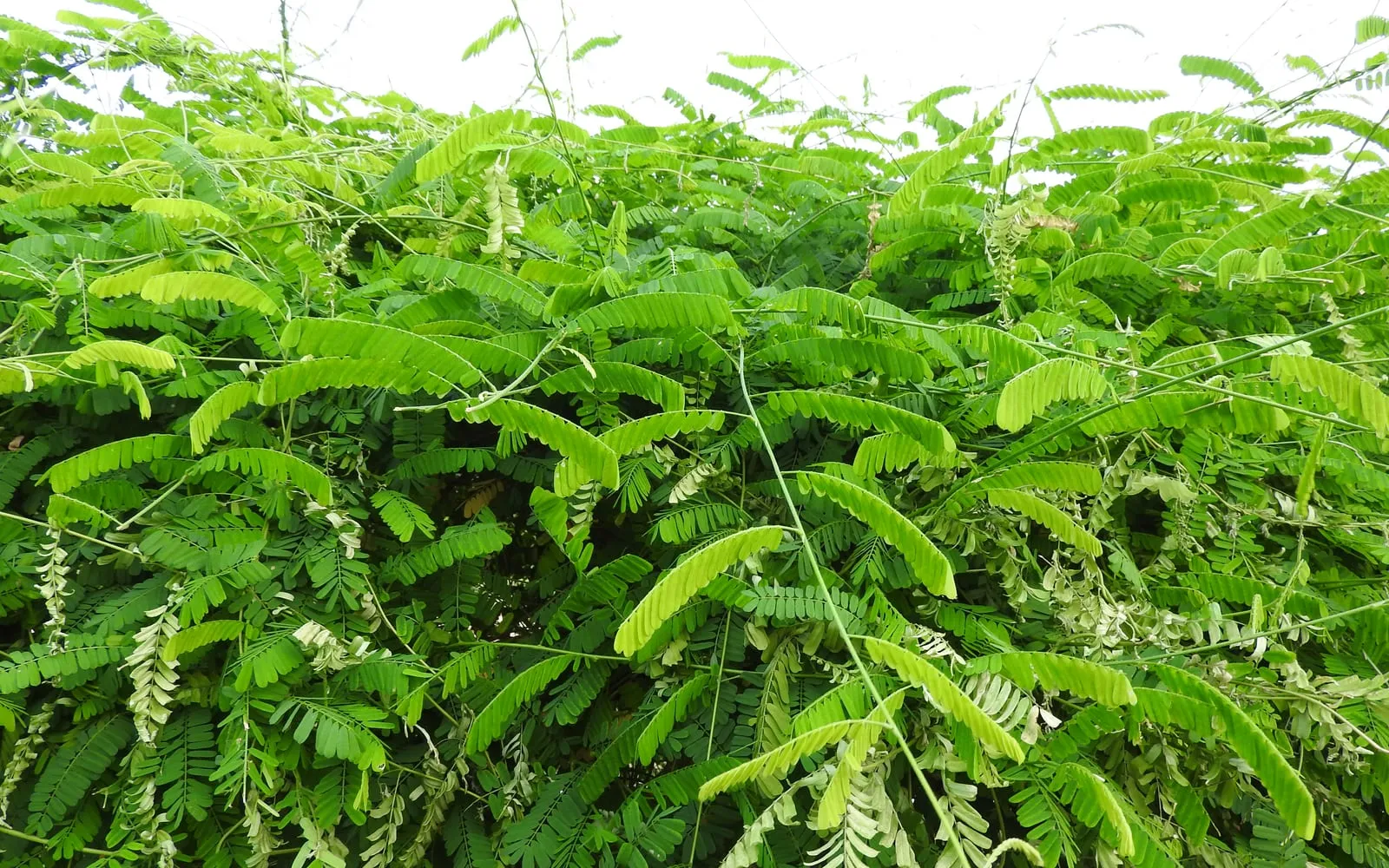
An upright leafy perennial, 80 cm to 1.5 m, dying to the ground each winter and returning in late spring.
Leaves are pinnate, 10 to 20 cm long, with nine to seventeen oval leaflets, mid green and slightly sticky to the touch.
Flowers are small pea flowers, pale blue to lilac, in upright spikes from the leaf axils in June and July. They are pleasant rather than showy.
Pods are small, flat, brown and smooth, sometimes not produced at all in a cool summer.
The root is the crop. A deep vertical taproot with long horizontal runners spreading from it, brown outside and bright yellow inside, and intensely sweet when chewed.
Glycyrrhizin, the compound responsible, is around fifty times sweeter than sugar.
Where it is from
Liquorice is native to southern Europe, western Asia and north Africa, growing on deep sandy soils and river valleys.
Its use is ancient. Liquorice root was found in Tutankhamun’s tomb, and Greek and Roman writers describe it for coughs and thirst. Theophrastus recorded that it allowed soldiers to go without water.
England grew it commercially from the sixteenth century, chiefly around Pontefract in Yorkshire, where Dominican friars are traditionally credited with introducing it and where the deep sandy soil suited the root.
Pontefract cakes, the small stamped discs of liquorice, are named for the town, and the last commercially grown English liquorice was harvested there in the twentieth century.
Most liquorice now comes from Turkey, Iran, Iraq, Syria and central Asia, largely from wild collection, and a substantial part of the crop goes into flavouring tobacco rather than food.
How it grows
Buy a plant or a root cutting, which is the usual route. Seed germinates after scarification and is slow.
Take root cuttings in autumn or early spring, using pieces of runner 10 to 15 cm long with a bud, planted horizontally 5 cm deep.
Plant into deep, sandy, free-draining, fertile ground in full sun. Depth is the key requirement, since the root goes down a long way.
Prepare the ground properly. Dig it deeply, work in compost and grit, and remove stones. A shallow bed over clay produces a forked stunted root.
Space at 1 m. It spreads.
Contain it if it is anywhere near a border. Runners travel several metres and throw up shoots as they go.
Water in dry weather through the growing season.
Cut the top growth down in autumn once it dies back.
Wait three or four years. Lift in autumn of the third or fourth year, dig the whole plant out, take the thickest roots and replant a few runners to start again.
Dry the roots slowly and chew them, or simmer them and reduce the liquid to make liquorice extract.
Through the seasons
Winter is bare ground. The plant dies down completely.
Spring brings shoots from the crown, late, often not until May. Mulch now.
Early summer is rapid growth, and flowering in June and July.
Midsummer is when the plant is at full height and the root is building.
Autumn is when the top growth yellows and dies. Cut it down, and lift roots in the third or fourth year.
Late autumn is the time to take root cuttings and replant runners.
Care difficulty
Moderate, and the difficulties are soil depth, spread and patience.
Depth is the first requirement. Liquorice roots go down a long way, and a shallow bed over clay gives a stunted forked root that is not worth digging. Deep sandy ground, or a very deep prepared bed, is what it wants.
Spread is the second. Runners travel several metres underground and surface wherever they like, so a plant in a mixed border becomes a problem. Give it a bed of its own or contain it.
Patience is the third. Three or four years before a worthwhile root, and lifting it ends that plant.
The plant itself is hardy, undemanding and free of any serious pest, and it needs no feeding beyond a spring mulch, since it fixes its own nitrogen.
It comes into growth very late, often not until May, which alarms people every spring.
Watering
Water new plants weekly through their first two summers while the root goes down.
Water an established plant in dry weather through the growing season. Root bulk depends on it.
Give a thorough soak rather than a sprinkle, since the roots are deep.
Mulch each spring with compost, which holds moisture better than watering does.
Stop watering in autumn as the top growth dies down.
A container is a poor home for a plant whose whole value is a deep root. If you must, use the deepest pot you can find.
Warning signs, diseases and pests
Aphids gather on the growing tips in early summer and rarely need action.
Powdery mildew whitens the leaves in late summer and does little harm.
Slugs graze the spring shoots.
Root rot in heavy wet ground kills the plant. Depth and drainage are what it wants.
Shoots appearing three metres away are the runners doing what they do. Cut them off at the crown, or accept the spread.
Nothing appearing until May is normal. Liquorice comes into growth late.
A thin forked root at harvest means the ground was too shallow, too stony or too heavy.
Growing environment
Full sun. It grows tall and weak in shade.
Deep, sandy, free-draining, fertile soil. Depth is the requirement that decides the quality of the root.
pH from 6 to 8. It grows on chalk and on neutral sand.
A bed of its own is the right arrangement, or ground where spreading does no harm.
It is fully hardy anywhere in its range and needs no protection.
Pontefract in Yorkshire grew it on deep sandy soil, and that is the model. A prepared bed dug two spits deep with grit and compost worked in comes closest in an ordinary garden.
Feeding
Little is needed. Liquorice is a legume and fixes its own nitrogen through root nodules.
Mulch with compost each spring, spread over the root area.
Avoid nitrogen fertiliser, which the plant does not need and which produces soft top growth.
Potash in spring helps root development, which is the crop.
Deep ground preparation with compost worked in at planting matters far more than any subsequent feeding.
Troubleshooting
How long before I can harvest? Three or four years. The root needs that long to build enough substance to be worth lifting, and lifting it ends that plant.
It has come up all over the bed. Runners travel several metres underground and surface as they go. Cut them at the crown, or give the plant a bed of its own.
Nothing came up until May. Normal. Liquorice comes into growth very late, and plenty of gardeners assume it has died.
The root was thin and forked. The ground was too shallow, too heavy or too stony. Liquorice needs deep sandy soil, and a prepared bed dug two spits deep is the answer.
Is liquorice safe to eat? In moderation. Glycyrrhizin raises blood pressure and depletes potassium, and around 50 g of liquorice confectionery a day for two weeks has caused problems in documented cases. Anyone with high blood pressure, heart or kidney trouble should be careful with it.
Are liquorice sweets made from it? Some are. Most liquorice-flavoured sweets are flavoured with anise rather than liquorice, which is why they carry none of the same concerns.
Why Pontefract? Deep sandy soil suited the root, the town grew it commercially from the sixteenth century, and Pontefract cakes are still named for it.