
Outdoor plant
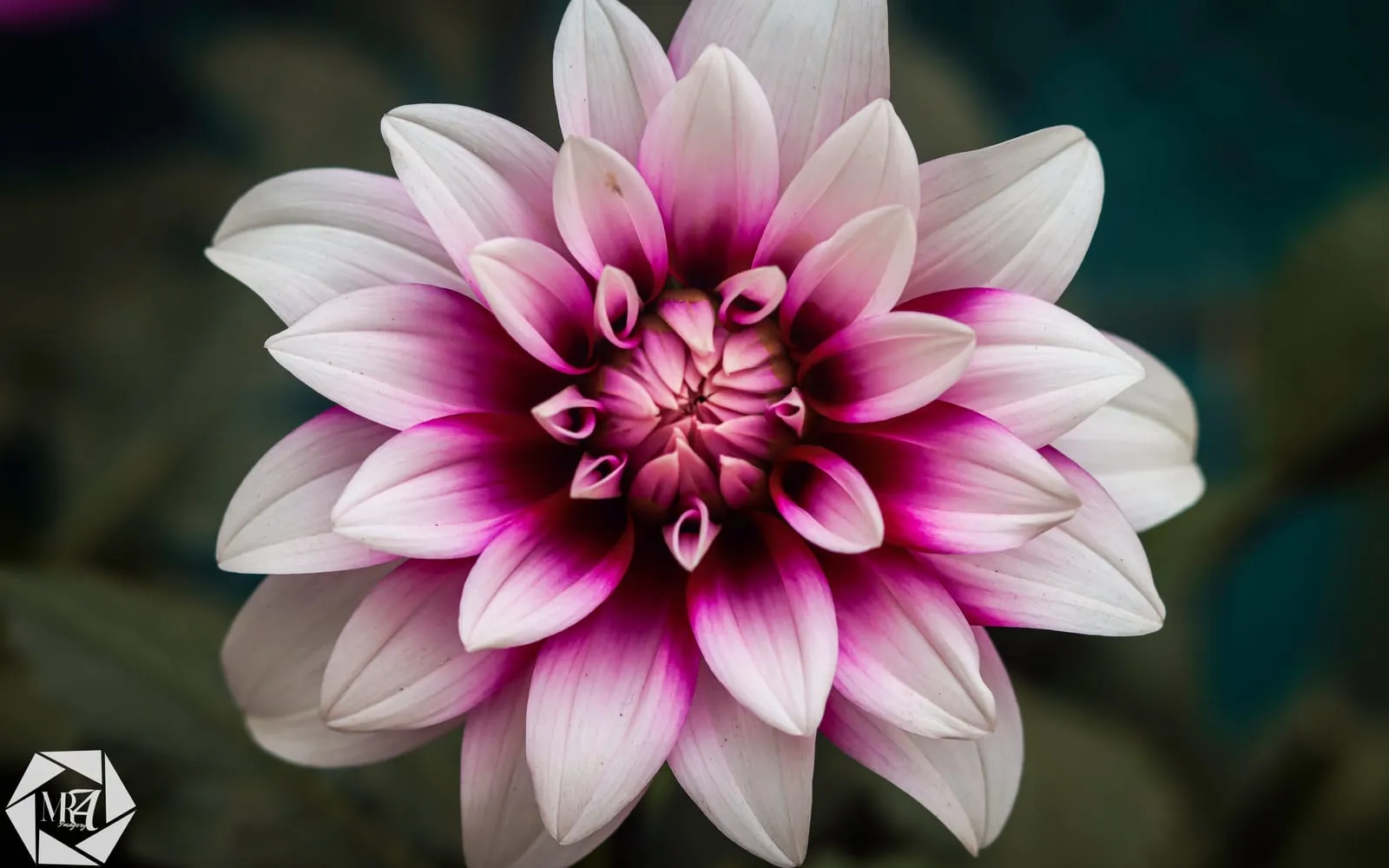
Garden Dahlia
Dahlia pinnata
Also known as Dahlia, Garden dahlia
How to grow dahlias, Dahlia pinnata. Starting tubers, staking, deadheading the right buds, protecting shoots from slugs, and whether to lift for winter.
At a glance
- Difficulty
- Moderate
- Water
- Deeply once or twice a week once growing
- Light
- Full sun, six hours minimum. Shade halves the flowers
- Temperature
- Frost tender. Tubers are killed by freezing
- Hardiness
- USDA 8-11, RHS H3, hardy to -5 C
- Type
- Tender tuberous perennial
- Height
- 60-120 cm, up to 2 m in the largest varieties
- Native to
- Mexico and Central America
- Best month
- July in the Northern Hemisphere, January in the Southern Hemisphere
The tuber is killed by a hard frost in the ground, so in zone 7 and colder it is lifted after the first blackening frost, dried and stored somewhere frost-free. From zone 8 upwards a deep dry mulch will usually carry it through. Growth needs warmth rather than cold tolerance, and a dahlia planted into cold wet soil rots before it starts.
Hardiness zones describe winter cold alone. Summer heat, humidity, rainfall and the length of the growing season decide as much, so treat the range as the outer limit rather than as a recommendation.
Every month named in this guide is for the temperate Northern Hemisphere. If you garden in the Southern Hemisphere, shift each one by six months, so July becomes January. Closer to the equator the wet and dry seasons matter more than the calendar, and the shift stops being a useful guide.
Harmful to pets if eaten
- Do not eat
- Leaves, stems and tubers
- Harm from
- Eating it and handling it
- Affects
- Cats, dogs and horses
The ASPCA lists Dahlia as toxic to dogs, cats and horses, gives the toxic principle as unknown, and describes the effects as mild gastrointestinal signs and mild dermatitis. Dahlia does not appear on the RHS list of potentially harmful garden plants. This is a low-severity listing, and a pet that chews a leaf or a flower is likely to be sick and nothing more. The tubers deserve a separate mention, since they look like a cluster of small potatoes and are stored indoors over winter where a dog can reach them. Dahlia tubers were originally brought to Europe from Mexico as a possible food crop, and they are edible in the sense of being non-poisonous to people, though the flavour was judged unpleasant enough that the plant was kept for its flowers instead. Handling the foliage causes contact dermatitis in some people, so wear gloves if your skin reacts.
Sources: ASPCA (Dahlia species), RHS potentially harmful garden plants
About
Dahlias arrived in Europe as a vegetable. Spanish botanists sent tubers from Mexico to Madrid in the 1780s hoping for a new food crop to rival the potato, and the tubers turned out to taste unpleasant enough that nobody pursued it. The flowers were another matter, and within fifty years dahlia breeding had become an obsession.
The species is enormously variable, and that variability has a genetic cause. Dahlias are octoploid, carrying eight sets of chromosomes rather than the usual two, which gives breeders far more to work with. The result is roughly sixty thousand named cultivars in every form from flat single daisies to dinner-plate blooms 30 cm across.
They flower from July until the first frost, which is the longest run of any plant in these guides.
Appearance and character
An upright bushy plant with divided leaves made of toothed leaflets, and hollow stems that snap easily and need support.
Flowers come in every colour except a true blue, in classes that include single, anemone, collarette, waterlily, decorative, ball, pompon, cactus and semi-cactus. Size runs from 5 cm pompons to blooms the size of a dinner plate.
Single and collarette varieties have an open centre and are excellent for bees. The dense double forms have no accessible nectar and are worth nothing to pollinators, which is a fair consideration when choosing.
Underground the plant makes a clump of swollen tubers joined at a central crown. The growth buds sit on that crown rather than on the tubers themselves, which matters when dividing.
Where it is from
Mexico and Central America, on upland slopes and in mountain meadows between about 1500 and 3500 m. The dahlia is the national flower of Mexico.
Those uplands are warm and wet in summer and dry in winter, with no hard frost. That is the pattern to reproduce: generous water and feeding through the growing season, and dry frost-free conditions during dormancy.
The Aztecs grew dahlias before the Spanish arrived, using the hollow stems of tree dahlia species as water pipes and the tubers medicinally.
How it grows
A tender tuberous perennial. Tubers store the energy for next year’s growth and are killed outright by freezing, which is the constraint that shapes the whole calendar wherever winters go below zero.
Start tubers into growth in pots under cover in April, or plant them straight out in late May once frost has passed. Starting them early gives flowers several weeks sooner.
Pinching drives the display. When the plant is about 30 cm tall, pinch out the growing tip above the third or fourth pair of leaves. This trades one early flower for many later ones and produces a sturdier plant.
Deadheading has a trick to it that people get wrong constantly. A spent dahlia head closes back up and looks like a bud, and the way to tell them apart is shape. New buds are round; finished flowers are pointed and conical. Cut spent stems right back to a leaf joint rather than snapping off the head alone.
Tubers multiply each year and clumps can be divided in spring, with each piece needing a section of crown carrying at least one visible bud.
Through the seasons
Spring is starting. Pot tubers up in April in barely damp compost and keep them frost-free and light. Plant out after the last frost, with the stake going in before the tuber.
Summer is flowering from July. Water deeply, feed fortnightly, deadhead weekly, and tie in the growth as it lengthens. Watch for earwigs.
Autumn continues the display until the first frost blackens the foliage. At that point either lift the tubers or mulch heavily.
Winter is storage. Lift, cut the stems to 10 cm, clean off the soil, dry them upside down for a fortnight, and pack in barely damp compost or vermiculite somewhere frost-free at around 5 to 10 deg C. Check monthly and remove anything rotting.
Care difficulty
Moderate, and the difficulty is a sequence of jobs that each need doing on time rather than any single hard technique.
Slugs are the first and worst. Emerging dahlia shoots in May are among the most attractive things in a temperate garden to a slug, and a tuber can be stripped repeatedly until it exhausts itself. Protect from the moment the shoots appear.
Staking has to happen early, because a stake driven in beside an established plant spears the tubers.
Whether to lift is a genuine choice rather than a rule. In mild areas on free-draining soil, a thick mulch of bark or straw over the crown carries tubers through most winters. On heavy wet ground, or in a cold garden, lifting is far more reliable.
Watering
Give newly planted tubers no water at all until the first shoots break the surface. A dormant tuber in wet soil rots, and this is the commonest way to lose one.
Once growing, water deeply once or twice a week rather than little and often. Dahlias are large leafy plants that transpire heavily, and drought during flowering gives fewer and smaller blooms.
Increase watering as the plants grow. A mature dahlia in August is a substantial plant.
Water at the base. Wet foliage encourages mildew and rots the flowers.
Mulch after planting, once the soil has warmed, to hold moisture and keep the roots cool.
Warning signs, diseases and pests
Slugs and snails are the single biggest threat and they concentrate on the young shoots in spring. Nematodes, copper tape, wool pellets, beer traps and evening patrols with a torch all help, and combining several works better than relying on one.
Earwigs eat ragged holes in the petals overnight and hide inside the blooms by day. The traditional trap works well: an upturned pot stuffed with straw on a cane among the plants, emptied each morning. They also eat aphids, so a degree of tolerance is reasonable.
Dahlia mosaic virus causes stunted growth with mottled, distorted, narrow leaves. It is spread by aphids and there is no cure, so dig up and destroy affected plants and control aphids to limit spread.
Aphids cluster on soft shoot tips and spread the virus.
Powdery mildew coats the leaves late in the season on dry-rooted plants.
Tubers rotting in storage means they were stored too damp or with soil still on them. Dry them properly, pack them barely moist, and check monthly.
Capsid bug damage shows as small ragged holes and distorted new growth.
Growing environment
Full sun, six hours a day as the minimum. Dahlias in shade grow tall, lean, and flower sparsely.
Frost tender at both ends of the season. The foliage blackens at the first touch of frost and the tubers die if the ground freezes around them.
Soil should be rich, deeply prepared and free-draining. Dig in plenty of well-rotted manure or compost the autumn before. Waterlogged winter soil rots tubers left in the ground.
Space at 45 to 60 cm apart, more for the largest varieties. Crowded plants get mildew.
Support is essential for anything over 60 cm. Put a stout stake in at planting and tie in loosely as the plant grows, or use three canes and string around the outside.
Shelter helps, since the hollow stems snap in wind.
Feeding
Work plenty of organic matter into the ground before planting. Dahlias are heavy feeders.
Start with a balanced liquid feed when the shoots are growing strongly, then switch to a high-potassium feed such as tomato food from July, fortnightly, until flowering finishes.
Avoid heavy nitrogen once buds form, since it gives soft leafy growth, weaker stems and fewer flowers.
Stop feeding in September so the plant hardens off before the tubers go into storage.
Troubleshooting
Shoots eaten to nothing every time they appear. Slugs. Use several controls together from the moment the tubers are planted.
Ragged holes in the petals. Earwigs. Set upturned straw-filled pots on canes and empty them each morning.
Tall, leaning, few flowers. Too little sun, too much nitrogen, or never pinched. Pinch the tip at 30 cm next year and switch to a high-potassium feed.
Stunted with mottled distorted leaves. Dahlia mosaic virus. Dig up and destroy the plant, and control aphids.
Tuber rotted after planting. Watered before the shoots appeared. Plant into barely moist soil and wait for growth.
Tubers rotted in storage. Stored damp, or with soil still attached. Dry them upside down for a fortnight before packing.
Cannot tell buds from dead heads. Round means a bud, pointed and conical means finished. Cut the spent stem back to a leaf joint.
Divided a clump and nothing grew. Each division needs a piece of the crown with a visible bud. A tuber on its own will not sprout.