
Outdoor plant
Pennyroyal
Mentha pulegium
Also known as European pennyroyal, Pudding grass, Squaw mint
How to recognise Mentha pulegium, the mint that kills. Why it looks and smells like a culinary herb, what pulegone does to the liver, and its status as a rare British native.
At a glance
- Difficulty
- Easy
- Water
- Never harvest it as a culinary mint
- Light
- Full sun to light shade
- Temperature
- Fully hardy, to about minus 20 deg C
- Hardiness
- USDA 6-9, RHS H5, hardy to -15 C
- Type
- Hardy herbaceous perennial
- Height
- 10-40 cm
- Native to
- Europe including native Britain, north Africa, western Asia
Damp ground and a mild winter suit it, and it is the least hardy mint of the group. The important point is chemical rather than climatic. Pennyroyal oil is rich in pulegone, which is toxic to the liver and has killed people taken as a medicine, so the plant is grown as a ground cover and a bee plant rather than as a herb.
Hardiness zones describe winter cold alone. Summer heat, humidity, rainfall and the length of the growing season decide as much, so treat the range as the outer limit rather than as a recommendation.
Poisonous if eaten
- Do not eat
- The whole plant, and the essential oil above all
- Harm from
- Eating it and handling it
- Affects
- People, cats and dogs
Pennyroyal is the most dangerous plant in this collection for the simplest reason. It looks and smells like a culinary herb. The plant contains pulegone, which the liver converts into a metabolite that destroys liver cells, and pennyroyal oil has caused fulminant liver failure and death. LiverTox, the United States National Library of Medicine reference on drug-induced liver injury, carries a monograph on pennyroyal oil setting out the case record, which includes deaths following its use as an abortifacient. As little as 10 ml of the oil has caused severe poisoning and larger amounts have killed. Tea made from the leaves is much weaker than the oil and is not safe on that basis, and the traditional use in pregnancy is the specific practice behind most of the recorded deaths. The ASPCA lists pennyroyal among plants toxic to dogs and cats, with liver failure among the effects, and cases in dogs have followed the oil being applied to the coat as a flea treatment. The plant in a garden is not a hazard to walk past. The hazard is picking it, brewing it, or buying the oil.
Sources: LiverTox, Pennyroyal oil, ASPCA toxic and non-toxic plants, RHS potentially harmful garden plants, NHS on herbal medicines
About
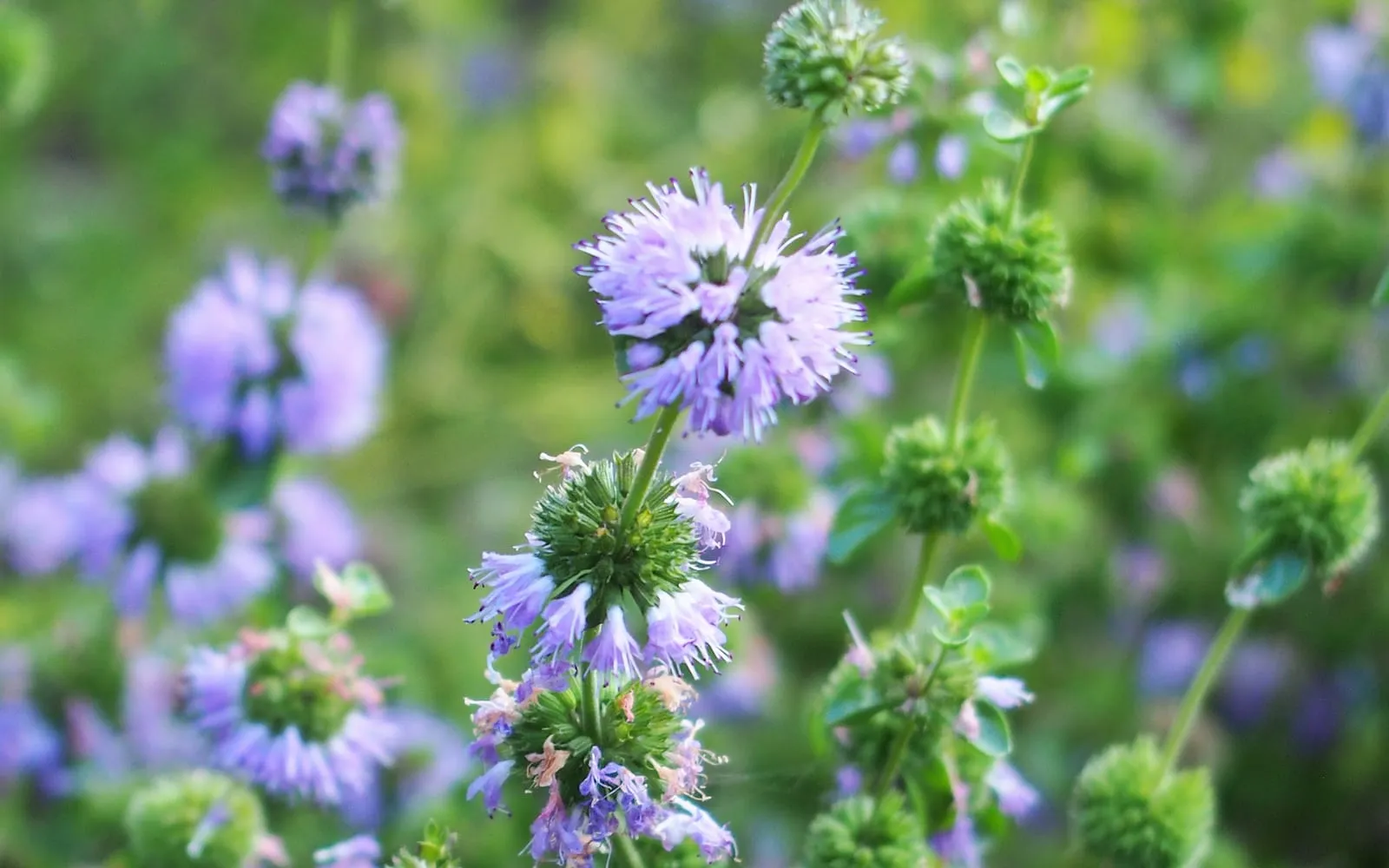
Pennyroyal is a mint that has killed people, and it is dangerous because nothing about it looks dangerous. It is a low creeping plant with small oval leaves and whorls of lilac flowers, it smells strongly and pleasantly of peppermint when crushed, and it grows in herb gardens alongside spearmint and apple mint. A person picking mint for tea has no visual or olfactory reason to leave it alone.
The compound responsible is pulegone. It is present in small amounts in other mints and in large amounts here, and the liver converts it to a metabolite that kills liver cells. Concentrated pennyroyal oil has caused fulminant liver failure and death, most often when taken as an abortifacient, a use recorded from classical times to the present.
The plant is also a rare British native and a conservation priority. It grows on seasonally flooded commons and pond margins, its habitat has largely gone, and it survives at a small number of sites. Both things are true at once, which is why this guide is written for recognition rather than for either growing it or condemning it.
Appearance and character
The plant creeps. Stems run along the ground rooting at the nodes, forming a mat, with flowering shoots rising 10 to 30 cm. Stems are square in section as every mint’s are, and finely hairy.
Leaves are small for a mint, 1 to 2 cm long, oval to elliptical, greyish-green, opposite, on short stalks, with a few shallow teeth or none. Crushed, they smell strongly of peppermint, which is the trap.
Flowers open from July to October in dense whorls spaced along the upper stem, with a tuft of leaves above each whorl, in lilac to pale purple. That arrangement, with distinct separated whorls rather than a terminal spike, separates it from spearmint and water mint at a glance.
Where it is from
Mentha pulegium is native across Europe including Britain, north Africa and western Asia, growing on seasonally flooded ground. It takes the muddy edges of ponds, grazed commons that flood in winter and dry out in summer, and hollows poached by cattle.
In Britain it has declined severely with the draining and improvement of that habitat and is a priority species for conservation, surviving at a small number of sites mainly in the south and west. It is one of the plants that depends on disturbance by grazing animals.
It has been carried around the world as a herb and has naturalised widely, including in North America and Australia, where in some places it behaves as a weed of damp pasture.
How it grows
Growth is by creeping stems that root as they run, so a plant makes a spreading mat rather than a clump. It is vigorous in damp ground and short-lived in dry.
The British native populations depend on a specific cycle. Winter flooding suppresses competing vegetation, summer drying exposes bare mud, and grazing animals poach the ground and open gaps. Remove any part of that and the plant disappears, which is what has happened across most of its former range.
Seed is produced freely and the plant also spreads vegetatively from fragments, which is how it establishes as a garden escape.
Through the seasons
Growth restarts in spring and the mat spreads through early summer.
Flowering runs from July into October, with the whorls opening progressively up the stem. It is a good late nectar source and bees work it heavily.
The top dies back in winter and the plant overwinters as rooted stems and crowns. In a garden it can look absent in March and reappear over a wide area in May, so keep track of any plants near a herb bed.
Care difficulty
Growing it is easy, which is the problem. It thrives in damp ground and spreads, and it does so in a herb garden where it is next to plants that are picked for the kitchen.
If it is grown at all, grow it well away from culinary mints and label it clearly. A pot standing separately is better than a place in a herb bed, since a creeping mint in a bed does not stay where it was put.
The stronger argument is against having it in a household garden at all. The plant’s appeal is the smell, the smell is what makes it dangerous, and there are half a dozen mints that are safe to pick.
Watering
Never harvest it as a culinary mint. That is the substance of this section.
The plant wants damp ground and tolerates seasonal flooding, which its native habitat explains and which separates it from every other plant in this collection.
A specimen in a pot needs regular water and will not tolerate drying out for long, since it comes from ground that stays wet for half the year.
Warning signs, diseases and pests
The warning sign is a mint in the herb bed that nobody planted, or one whose label has gone. A creeping mint with small greyish leaves, separated flower whorls and a strong peppermint smell should be identified before anything is picked from that bed.
Mint rust affects it as it does other mints, showing as orange pustules on the leaf undersides, and pale distorted spring shoots are the early sign.
The specific hazard to a household is the essential oil rather than the plant. Pennyroyal oil is sold as an insect repellent and as a flea treatment, and cases of severe poisoning in dogs have followed it being applied to the coat.
Growing environment
Full sun to light shade on damp ground. The native habitat is seasonally flooded bare mud, and the plant tolerates a great deal of winter wet.
Soil should be moisture-retentive. On dry soil the plant is short-lived and struggles, which is the one thing that limits it in a garden.
It is fully hardy through any temperate winter, which its native status makes obvious.
Feeding
None. It is a plant of poached wet commons and grows without help.
Fertiliser produces a larger plant of something that should not be encouraged in a household garden.
Where it is grown deliberately in a conservation context, the management that matters is grazing and seasonal flooding rather than anything applied to the soil.
Troubleshooting
Can I use it as a culinary mint? No. Pennyroyal contains pulegone, which causes liver damage, and preparations of it have killed people. Use spearmint, peppermint or apple mint, all of which are safe.
How do I tell it from other mints? By the flowers and the leaves. Pennyroyal carries dense flower whorls spaced along the stem with leaves above each whorl, rather than a terminal spike, and its leaves are small, greyish and nearly untoothed. It creeps along the ground rather than standing upright.
Someone has drunk pennyroyal tea. What do I do? Seek medical advice at once, and treat any exposure to the oil as an emergency, and say what was taken. Liver injury may not show symptoms immediately.
Is the oil safe as an insect repellent? No. It is absorbed through skin, and cases of severe poisoning in dogs have followed it being applied to the coat as a flea treatment. There are safe alternatives.
Is it a protected plant? It is a conservation priority species in Britain and has declined severely with the loss of seasonally flooded grazed commons. That status concerns wild populations rather than restricting what you do with a garden plant.
Why does it appear in old herbals? It has a long recorded history as a flavouring, an insect repellent and, most consequentially, an abortifacient. That last use is the source of most of the recorded deaths.
Should I remove it from my garden? In a garden where anyone picks herbs, yes, or move it well away and label it. The risk is the resemblance to safe mints rather than the plant standing in a border.