
Houseplant
Whale fin snake plant
Dracaena masoniana
Also known as Shark fin plant, Mason's Congo, Sansevieria masoniana
How to care for Dracaena masoniana. The single-leaved snake plant that is usually sold as one enormous paddle, why it grows so slowly, and why a whole plant can be one leaf.
At a glance
- Difficulty
- Easy
- Water
- When the compost has dried out completely
- Light
- Anything from low light to bright indirect. Avoid harsh direct sun
- Temperature
- 15-27 deg C, and never below 10 deg C
- Humidity
- Undemanding. Ordinary dry room air suits it
- Hardiness
- USDA 10-12, RHS H1b, hardy to 10 C
- Type
- Evergreen perennial succulent, rhizomatous and very slow
- Height
- 90-120 cm
- Native to
- Central Africa
Seasonally dry tropical woodland in the Congo basin and central Africa, where it grows in shade under scrub and trees through a wet season and a long dry one. The dry season is what the thick leaf is for, and it is why the plant tolerates being forgotten indoors. It has no frost tolerance and is damaged below about 10 deg C, so outdoors it needs a frost-free climate. Heat and drought suit it; a cool wet winter root ball does not.
Hardiness zones describe winter cold alone. Summer heat, humidity, rainfall and the length of the growing season decide as much, so treat the range as the outer limit rather than as a recommendation.
Harmful if eaten
- Do not eat
- The leaves
- Harm from
- Eating it
- Affects
- People, cats and dogs
Like other dracaenas, this plant contains saponins in its leaves. An animal that chews one may vomit, drool or develop diarrhoea, and cats sometimes show dilated pupils as well. The ASPCA lists Dracaena species as toxic to cats and dogs on that basis. The effects are unpleasant rather than dangerous and settle without treatment in most cases, though a small cat that has eaten a lot is worth a call to a vet. There is no risk from handling the plant and no skin irritation, which separates it from the arum family. In practice the leaf is thick, tough and unappetising enough that most animals try it once, and the bigger problem is the permanent tooth mark left behind on a leaf that will never be replaced.
Sources: ASPCA (Snake Plant, Dracaena trifasciata), NC State Extension, Dracaena
About
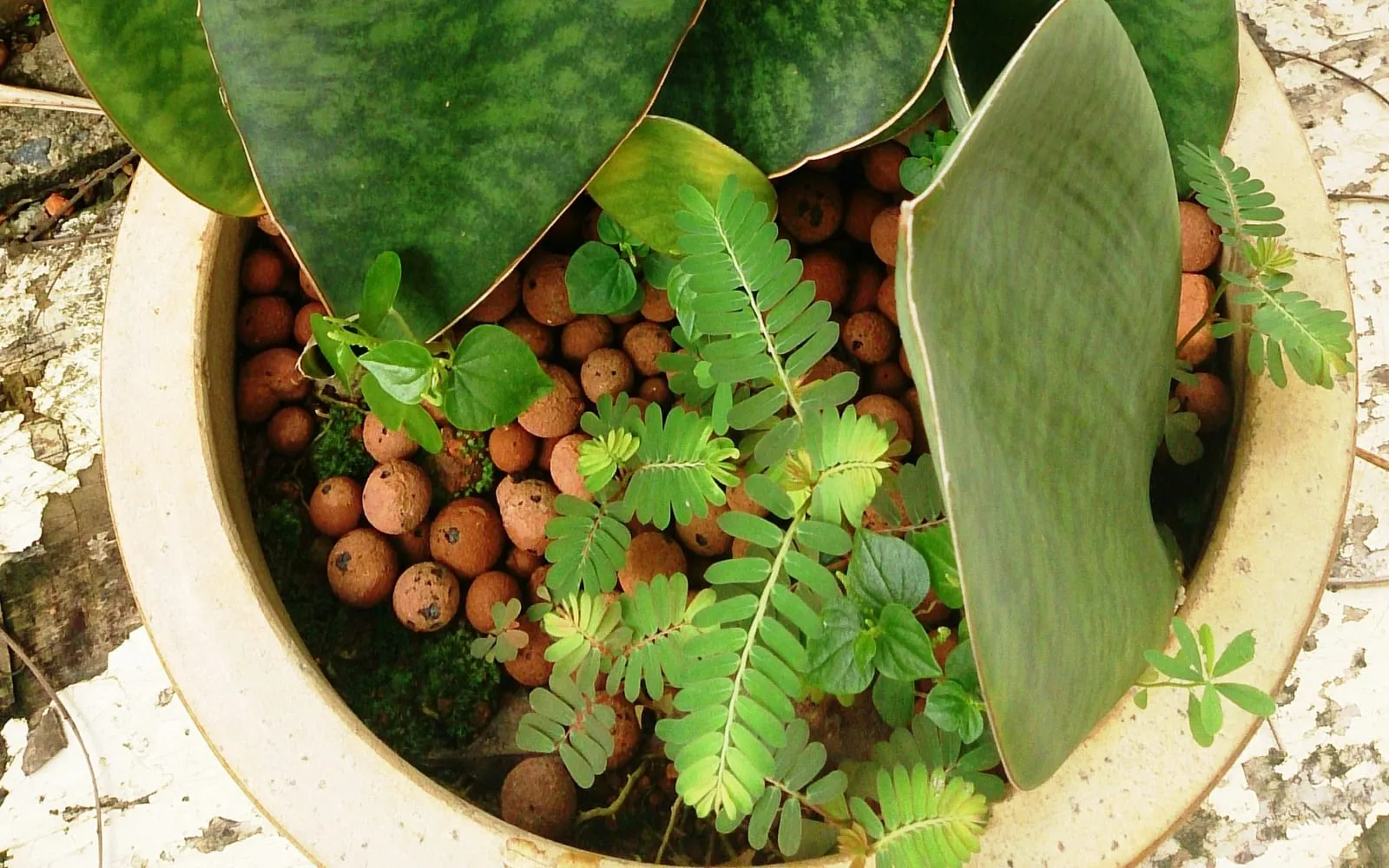
The whale fin is the snake plant that stopped being a clump. Where an ordinary Dracaena trifasciata throws up a dozen narrow upright leaves, this species produces one or two enormous paddles, each up to 25 cm across and a metre tall, mottled dark and pale green with a thin red-brown edge.
Most plants sold are a single leaf with a piece of rhizome attached, which unsettles people who expect a plant to look like a plant. It is not a cutting in the sense of something temporary. That one leaf is a complete individual, it will live for years, and it will eventually push a new leaf up from the rhizome beside it.
It behaves like the rest of the group otherwise. It takes low light, it stores its own water, it wants to dry out completely between waterings, and drowning it is very close to the only way to kill it.
Appearance and character
A rhizomatous perennial producing very large, thick, stiff, paddle-shaped leaves that rise almost vertically from the compost and lean outward with age.
Each leaf is broadly oval, 20 to 25 cm wide and 60 cm to over a metre long, deeply succulent, with an irregular mottling of dark and mid green in horizontal bands. The margin carries a fine reddish brown line, which is the quickest way to tell the species from a broad-leaved trifasciata cultivar.
The surface is matt and slightly rough rather than glossy, and it is hard enough to hold a scratch permanently. Any mark made on a leaf stays for the life of that leaf, which on this plant can be a decade.
Growth is extremely slow. A healthy plant may produce one new leaf every year or two, and a single-leaf plant can sit unchanged for a very long time before doing anything at all.
The rhizome creeps sideways underground and is thick, orange and fleshy. New leaves appear from it a few centimetres from the parent, so a plant widens rather than thickening in place.
Flowering indoors is rare, producing a tall spike of small greenish white fragrant flowers that drip nectar.
Where it is from
The Congo basin and central Africa, in seasonally dry woodland and scrub, growing in the shade of larger vegetation on stony ground.
Two things about that habitat explain the plant. A long dry season selects for thick water-storing leaves and a fleshy rhizome, and shade under woodland selects for tolerance of low light. The combination is unusual, and it is what makes the snake plants such durable houseplants.
The genus history is confusing on paper. Everything sold as Sansevieria was folded into Dracaena in 2017 on genetic evidence, so this plant is now Dracaena masoniana and will be labelled Sansevieria masoniana in most shops for years yet. Both names refer to one species.
The name commemorates Maurice Mason, a Norfolk plantsman who collected it in the Congo in the twentieth century, and it has been passed around collections for decades. Its recent price rise came from social media interest rather than from any change in the plant.
How it grows
Put it wherever suits the room. It takes low light, medium light and bright indirect light equally, and grows fastest in the brightest of those.
Avoid harsh direct sun through glass, which can scorch a pale patch into the leaf that never grows out.
Water only when the compost has dried out completely, top to bottom. In a dim cool room that can mean once a month in summer and once in two months in winter.
Water thoroughly when you do, letting it run out of the bottom, then empty the saucer and leave the plant alone until the compost is dry again.
Keep it above 10 deg C. It suffers below that, and a cold wet root ball is what kills it rather than cold alone.
Use a gritty compost. A cactus mix, or ordinary houseplant compost with a third of perlite or coarse grit through it, is what stops the rhizome rotting.
Choose a heavy pot. A single tall leaf in a light plastic pot topples, and the leaf gets damaged when it falls.
Feed two or three times across the whole growing season at half strength, and not at all from autumn to spring.
Repot rarely, every three or four years, and only when the rhizome is pushing at the sides of the pot.
Through the seasons
Spring is when any new leaf will appear, pushing up beside the existing one as a tight pointed spear. Resume light feeding, and repot now if the pot is full.
Summer is the growing season, such as it is. Water when the compost is bone dry, feed once or twice, and keep it out of scorching sun.
Autumn ends it. Stop feeding from September and cut watering back sharply as the light drops.
Winter wants almost nothing. Water once every six to eight weeks at most, keep it above 10 deg C, and expect no growth. A cool room is fine; a cool room with wet compost is not.
Care difficulty
Easy, and one of the hardest houseplants to kill by neglect.
Overwatering is the way it dies, and it is the only common cause. The rhizome turns soft and orange-brown, the leaf yellows at the base and then falls over, and by the time that is visible the damage is usually done.
Cold combined with wet compost accelerates it. A plant that would survive 10 deg C dry will rot at 12 deg C wet.
Slowness is the thing owners find hardest. Buying a plant this size means buying the size you want, because it will not get much bigger in any useful timescale.
Permanent scarring is the last consideration. A knock, a scratch or a cat’s tooth leaves a mark that stays as long as the leaf does, which may be ten years.
Watering
Water only when the compost is completely dry, all the way through. Push a finger or a wooden skewer to the bottom of the pot and check rather than guessing.
In a shaded room this often means every four to six weeks in summer and every eight to ten weeks in winter.
Water thoroughly when you do, until it runs from the drainage holes, then empty the saucer straight away.
Water around the edge of the pot rather than into the crown, since water sitting in the base of the leaf encourages rot.
Underwatering does almost nothing. The leaf may wrinkle slightly and it plumps back up within a day of watering.
Overwatering shows first as a soft, pale, slightly translucent zone at the base of the leaf. That is the point to act, by tipping the plant out, cutting away soft rhizome and repotting into dry gritty compost.
Warning signs, diseases and pests
A soft, translucent, yellowing base to the leaf is rot from overwatering. Tip the plant out, cut back to firm white rhizome tissue with a clean knife, let the cut surfaces dry for a day or two and repot into gritty compost.
A leaf that has fallen over at the base is the same problem further along.
Wrinkling and slight curling of the leaf is underwatering, which is easily fixed and does no lasting harm.
Pale bleached patches are sun scorch and are permanent, because this plant does not replace the leaf.
Soft translucent spots after a cold spell are cold damage and are also permanent.
White cottony fluff where the leaf meets the compost is mealybug, which favours that junction. Wipe it away and check the rhizome.
Brown dry tips are usually mechanical damage or an old scar rather than a cultural problem, and once a tip is damaged it will not regrow.
No growth for a year or two is normal on this species and is not a sign of anything wrong.
Growing environment
Anything from low light to bright indirect light. It is one of the few plants indifferent to the level.
Avoid prolonged harsh direct sun through glass.
Warm to average, 15 to 27 deg C, with 10 deg C as the floor.
Dry air is fine, and no humidity provision is needed.
Gritty free-draining compost, either a cactus mix or houseplant compost cut with a third grit or perlite, in a pot with drainage holes.
A heavy pot to keep a tall leaf upright.
Outdoors it needs a frost-free climate, USDA 10 and warmer, in shade or dappled light.
Avoid cold conservatories in winter, saucers left full of water and any compost that holds moisture for weeks.
Feeding
Feed two or three times in total across spring and summer with a cactus feed or a balanced houseplant feed at half strength.
Stop feeding entirely from early autumn to spring.
Underfeeding is almost harmless on a plant this slow. Overfeeding produces salt build-up and soft growth that rots more readily.
Repot every three or four years, in spring, into a pot one size up when the rhizome reaches the wall of the pot.
Propagate by dividing the rhizome in spring, keeping a growing point and roots with each piece. Leaf cuttings root but take a very long time and the resulting plant may revert to plainer markings.
Troubleshooting
Mine is only one leaf. Is that a whole plant? Yes. A leaf with a section of rhizome is a complete plant and will live for years. It will produce a second leaf eventually, though that may take a year or two.
The base of the leaf has gone soft and yellow. Rot from overwatering. Tip it out, cut back to firm tissue, let it dry for a day or two and repot in gritty compost.
How often should I water it? When the compost is completely dry all the way down, which in a dim room is often monthly in summer and less than that in winter. Check with a skewer rather than watering on a schedule.
Why is it called Sansevieria in the shop? The whole genus moved into Dracaena in 2017 on genetic evidence. Labels have not caught up, and both names mean the same plant.
Is it safe with pets? It contains saponins and the ASPCA lists dracaenas as toxic to cats and dogs. Chewing causes vomiting and drooling rather than anything worse.
There is a scratch on the leaf. It is permanent. This plant does not shed and replace leaves the way a fern or a philodendron does, so a mark stays for the life of that leaf.
It has not grown at all in a year. Normal. One new leaf every one to two years is a reasonable rate for a healthy plant.
Will it take a dark corner? Yes, though it will grow even more slowly there than it does in good light. It survives dim positions rather than thriving in them.
Whale fin snake plant problem guides
Not sure what is wrong? See the common houseplant pests guide.