
Outdoor plant
Lilac Daphne
Daphne genkwa
Also known as Genkwa, Lilac-flower Daphne
How to grow lilac daphne, Daphne genkwa, a deciduous daphne with lilac flowers on bare spring stems. Every part of the plant is severely toxic.
At a glance
- Difficulty
- Moderate
- Water
- In dry spells while establishing, then rarely
- Light
- Full sun to light shade
- Temperature
- Hardy, though open flowers can be caught by a late frost
- Hardiness
- USDA 5-8, RHS H5, hardy to -15 C
- Type
- Deciduous shrub, upright and twiggy
- Height
- Up to 1.5 m
- Native to
- China, Korea
The woody framework is hardy through a cold winter. Because it flowers early on bare wood, a late frost can brown an open flush, though the wood is unharmed. The harder demand is drainage. It comes from open hillsides and needs soil that stays moist in summer yet never waterlogs, and it responds poorly to both drought and cold, sodden winter ground. It has no special heat or chill requirement within its zone range.
Hardiness zones describe winter cold alone. Summer heat, humidity, rainfall and the length of the growing season decide as much, so treat the range as the outer limit rather than as a recommendation.
Poisonous if eaten
- Do not eat
- Every part, and the sap, bark and fruits most of all
- Harm from
- Eating it and handling it
- Affects
- People, cats, dogs and horses
Every daphne is poisonous, and lilac daphne is among the more dangerous of them. All parts contain daphnane diterpene esters, the same class of irritant, cell-damaging compounds found in the bark and fruit of the genus. Swallowing any part causes burning in the mouth and throat, then severe vomiting and diarrhoea, and a larger dose can lead to collapse; the small, fleshy fruits are the part most likely to tempt a child or pet. The sap also blisters and inflames skin, so prune in gloves and long sleeves and keep the cut ends away from your eyes. The dried flower buds have a history of use in Chinese medicine as a drastic purgative, which is a measure of how strongly the plant acts on the body instead of any sign that it is safe to handle casually. Treat any swallowing of this plant as a medical emergency, and wash sap off skin at once.
Sources: RHS potentially harmful garden plants, ASPCA toxic and non-toxic plants
About
Lilac daphne flowers differently from other common daphnes. In early to mid spring, before a single leaf shows, clusters of soft lilac-purple flowers open all along the bare, twiggy stems, so the shrub is covered in colour on bare wood. It is a deciduous daphne, which already sets it apart from the evergreen, heavily scented kinds most gardeners know.
Do not expect the powerful perfume of winter daphne. The flowers of this species carry only a faint scent, sometimes none, and the plant is grown for spring colour rather than fragrance.
It has the reputation of the genus for being particular and sometimes short-lived, and it shares the genus’s serious toxicity. Place it thoughtfully, well away from where small children play, and handle it with gloves.
Appearance and character
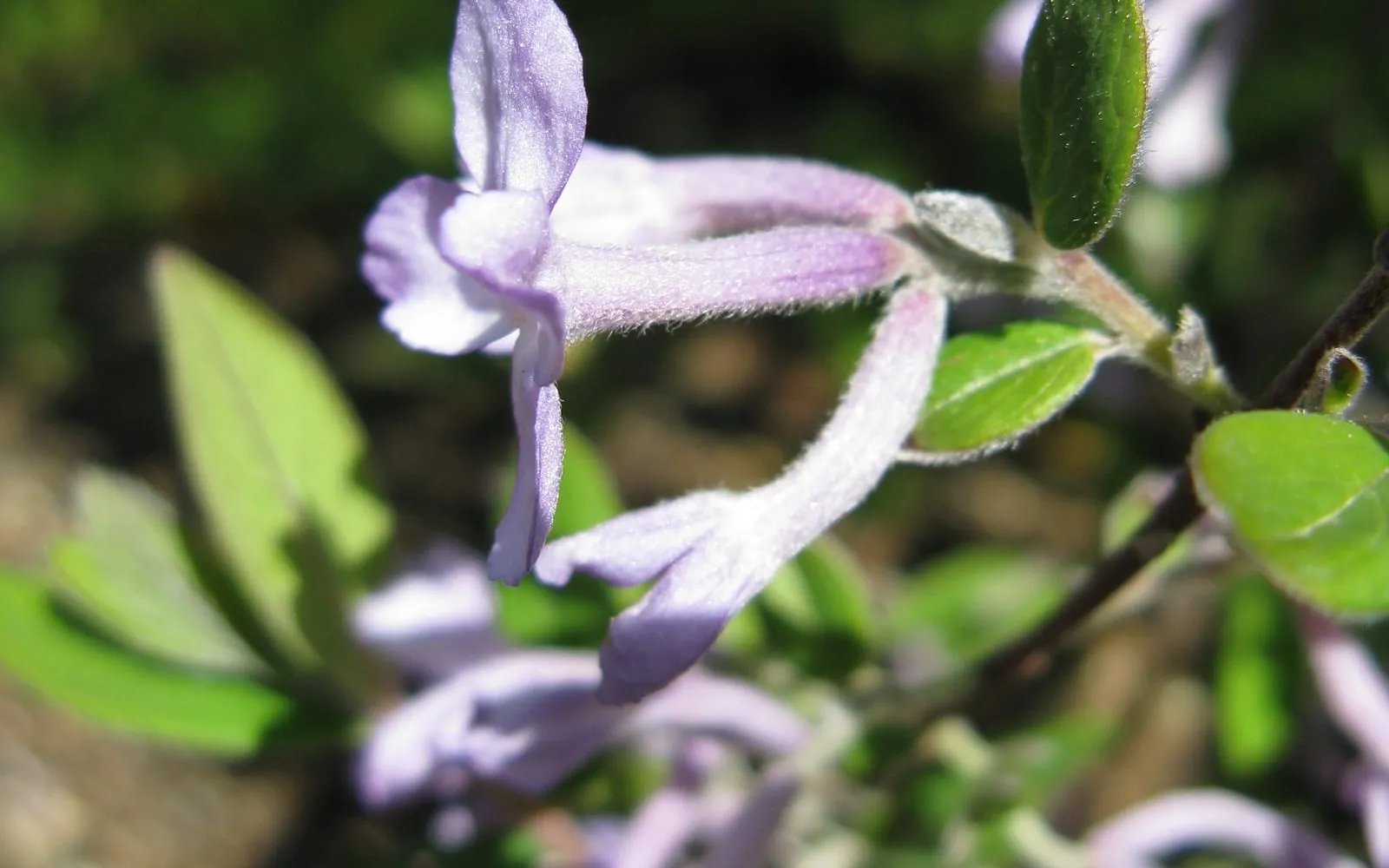
Each flower is a small four-lobed tube in clear lilac to mauve. They cluster in twos and threes along the length of the previous year’s stems, opening on bare wood in early to mid spring.
Leaves follow the flowers, opening as the display fades. They are narrow, lance- shaped, soft green and slightly downy when young, carried in opposite pairs up the stems, and they turn no particular colour before falling in autumn.
The habit is upright and rather open, a loose cluster of slim twiggy stems growing slowly to around a metre, sometimes half as much again, and about as wide.
Small fleshy fruits may follow the flowers in a warm year. They are poisonous, like the rest of the plant, and are the part a child is most likely to pick.
Where it is from
Daphne genkwa is native to China and Korea, growing on open, grassy hillsides and in scrub and woodland edges. It has been cultivated in China for centuries, both as an ornamental and for the drug made from its dried flower buds.
It needs conditions like an open hillside: sharp drainage, bright light and soil that does not bake dry. A plant given free-draining, humus-rich ground and steady spring moisture behaves far better than one on heavy clay or in a dry, hot corner.
How it grows
Plant in humus-rich, well-drained soil, neutral to slightly acid, in full sun or light shade, adding leaf mould or fine bark to open up heavy ground before you start. Cold, wet winter soil rots the roots and kills the plant.
Choose the site once and leave it there. Daphnes resent root disturbance strongly, and a plant lifted and moved may drop its leaves, fail to establish, or die outright. For the same reason, buy a young container-grown plant and disturb the root ball as little as possible when planting.
Prune almost nothing. The flowers form on the previous year’s wood, so cutting in winter removes the spring display, and daphnes in general dislike being cut hard. Take out only dead or damaged stems, in gloves, straight after flowering.
Mulch each spring with leaf mould, kept off the stems, to keep the roots cool and moist through summer without smothering the base.
Through the seasons
Early to mid spring is the flowering, lilac clusters opening the length of the bare stems.
Late spring sees the leaves open as the flowers fade. Do any small tidying pruning now, in gloves, instead of later.
Summer is quiet leafy growth. Keep the roots moist in dry spells and the mulch topped up, but never let the soil turn boggy.
Autumn and winter the plant is bare and dormant. Leave it undisturbed; resist any urge to move or divide it.
Care difficulty
Moderate, and sometimes frustrating. Nothing about the day-to-day care is hard: it needs little water once settled, little feeding and almost no pruning. The difficulty is that daphnes can die suddenly for reasons that are never fully clear, often after a wet winter or any root disturbance, and this species has that habit as much as any. Give it perfect drainage, leave the roots alone, and accept that even a well-grown plant may not live for many years.
Watering
Water regularly through the first year or two while the plant establishes, keeping the soil moist but never saturated. Once settled it needs watering only in a prolonged dry spell, since the roots dislike both drought and standing wet in equal measure.
A plant in a container is harder to keep steady, because the compost swings between too wet and too dry more easily than open ground, so use a free-draining mix and water with care.
Warning signs, diseases and pests
If anyone has swallowed any part of this plant, treat it as a medical emergency. The fruits, bark and sap are all seriously poisonous, and the small fleshy fruits are the part a child is most likely to eat. Do not wait to see whether symptoms develop.
Root rot is the commonest killer and follows cold, waterlogged soil. There is no cure once the roots have gone, so prevention matters: sharp drainage and careful watering.
Sudden dieback of a whole stem, or the entire plant, is a known trait of daphnes, often triggered by root disturbance or a hard, wet winter. A plant that starts shedding leaves out of season is frequently already failing at the root.
Aphids cluster on soft new shoots and can carry the viruses that cause the mottled, distorted foliage sometimes seen on daphnes. There is no cure for a virus; keep plants growing strongly and control aphids to reduce the risk of it spreading.
Growing environment
Full sun to light shade suits it, with the best flowering in a bright, open position that is still sheltered from cold, drying wind. Deep shade thins the display.
Drainage matters most. The soil must be moisture-retentive yet free-draining, humus-rich, and neutral to slightly acid. Heavy clay that lies wet in winter is a common way to lose the plant, so improve it heavily or grow the shrub in a raised bed or large container instead.
Shelter from strong wind protects the early flowers and the brittle twiggy growth.
Site it with the toxicity in mind. Keep it away from areas used by small children, and from spots where the fruits could drop within a toddler’s reach.
Feeding
Feed lightly. A spring mulch of leaf mould or garden compost supplies most of what the plant needs without pushing soft growth.
Where the soil is poor, a single application of a balanced slow-release fertiliser in spring is enough for the year. Avoid heavy or frequent feeding, which encourages sappy growth that flowers less and is more prone to problems.
Plants in containers need a little more, since watering flushes nutrients out of the compost, so give a diluted balanced liquid feed once or twice through the growing season.
Troubleshooting
Are the berries dangerous? Yes, seriously so. The fruits, like the whole plant, contain irritant, cell-damaging compounds, and they are the part most likely to be eaten by a child or a pet. If any are swallowed, treat it as a medical emergency and do not wait for symptoms.
The whole plant collapsed for no obvious reason. Daphnes do this. It is usually root rot from wet soil, or shock after root disturbance. There is rarely anything to be done once it starts. Grow the next one in sharper drainage and do not move it.
Why does it have no scent when other daphnes are famous for perfume? Because this is one of the scentless kinds. Lilac daphne is grown for its lilac flowers on bare stems, not for fragrance, unlike the strongly perfumed evergreen daphnes.
Can I move it to a better spot? Better not. Daphnes hate root disturbance and often die after being moved. Choose the position carefully at planting and leave the plant where it is.
Should I prune it to shape? Only minimally, and only just after flowering, in gloves. The flowers form on the previous year’s wood, and the sap irritates skin, so keep any cutting light and protect your hands and eyes.