
Outdoor plant
Wintercreeper
Euonymus fortunei
Also known as Winter Creeper Euonymus, Fortune's Spindle
How to grow wintercreeper, Euonymus fortunei, an evergreen that stays low as groundcover or climbs by aerial roots if it reaches a wall, in many variegated forms.
At a glance
- Difficulty
- Easy
- Water
- Weekly through the first year, then only in prolonged drought
- Light
- Full sun to full shade; variegated forms need more light to hold colour
- Temperature
- Fully hardy, to about -20 deg C
- Hardiness
- USDA 5-9, RHS H6, hardy to -20 C
- Type
- Hardy evergreen shrub, self-clinging climber when given support
- Height
- 20-40 cm as groundcover; to 6 m or more climbing
- Native to
- China, Japan, Korea
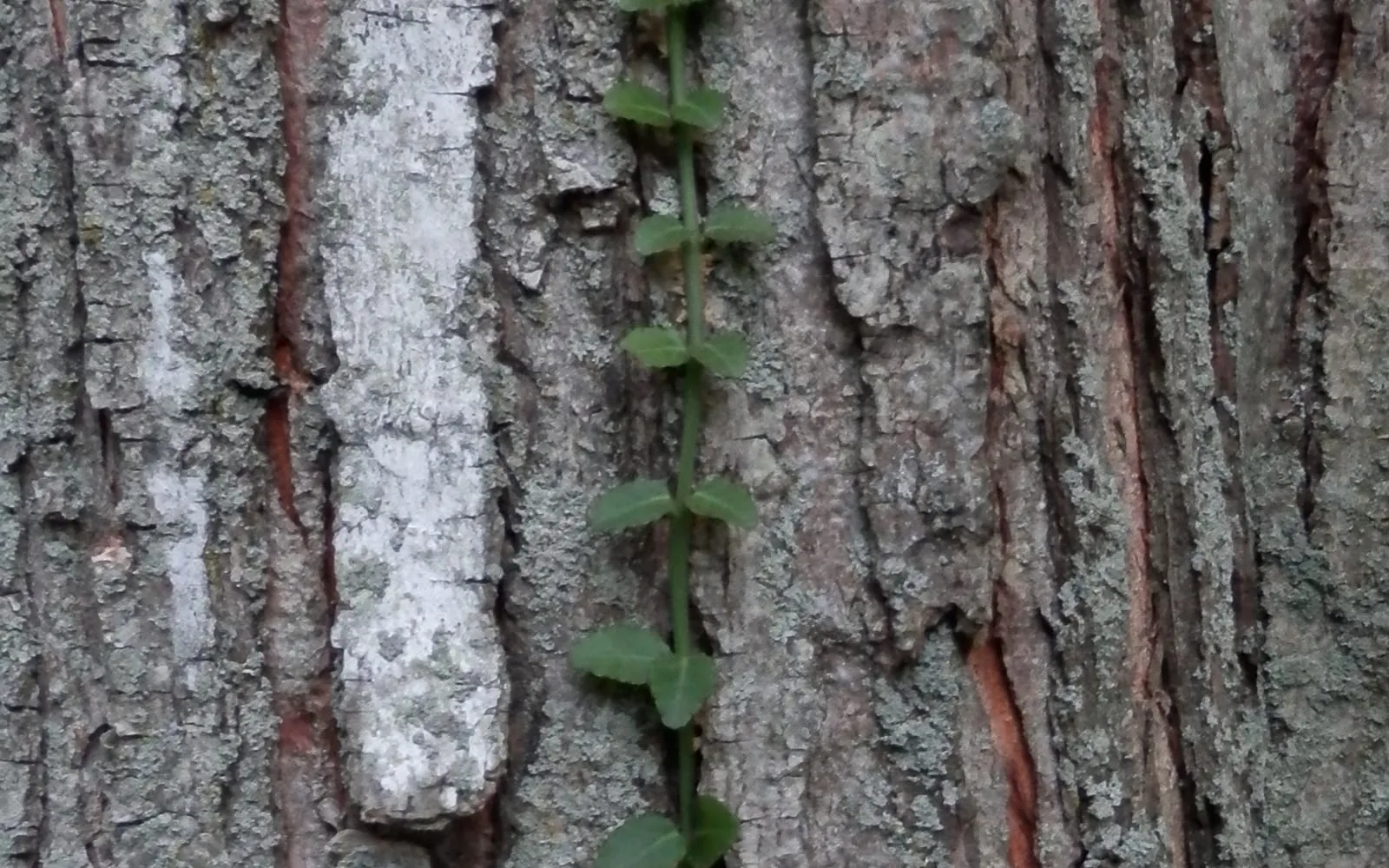
Winter cold rarely troubles it. The zone number says nothing about the plant's other behaviour: given a wall, fence or tree trunk to climb, the same groundcover that stays 20 cm tall in open ground will root its way several metres up a vertical surface, changing its leaf shape as it goes.
Hardiness zones describe winter cold alone. Summer heat, humidity, rainfall and the length of the growing season decide as much, so treat the range as the outer limit rather than as a recommendation.
Toxic if eaten
- Do not eat
- All parts contain cardenolides; the berries and seeds are the greatest risk to children
- Harm from
- Eating it
- Affects
- People, cats, dogs and horses
The ASPCA lists Euonymus, the spindle tree genus that includes wintercreeper, as toxic to dogs, cats and horses, naming alkaloids and cardenolides as the harmful compounds and vomiting, diarrhoea, abdominal pain and weakness as the reported signs, with heart rhythm abnormalities possible after a large dose. The RHS lists Euonymus as harmful if eaten and recommends gloves when handling and pruning it. The bright orange-and-pink berries produced by mature climbing growth are the part most likely to tempt a small child, since they are conspicuous and appear at an accessible height on a wall-grown plant, while groundcover-form plants rarely flower or fruit at all.
Sources: ASPCA (Spindle Tree), RHS potentially harmful garden plants
About
Wintercreeper is two plants in one, and which one you get depends entirely on what it is growing against. Left on open ground with nothing to climb, it stays a low, tidy evergreen mat rarely more than 30 or 40 cm tall. Let a stem reach a wall, fence or tree trunk, and it clings with aerial rootlets and climbs, its leaves changing shape from the juvenile form to a larger, more oval adult leaf as it goes, eventually flowering and fruiting at height in a way the ground-hugging growth almost never does.
That dual habit makes it unusually versatile for a single evergreen: the same plant covers a bare bank, edges a border, or scales a north-facing wall where little else will climb without support.
Many cultivars carry variegated foliage, splashed or edged in gold, white or cream, and these hold their brightness through winter when most variegated evergreens look tired, which is a large part of the plant’s appeal in a garden that needs colour in the cold months.
Appearance and character
Leaves are glossy, oval to elliptical, 2 to 5 cm long, with a finely toothed margin, held in opposite pairs. Colour ranges from plain dark green through to heavily variegated forms such as Emerald Gaiety, edged in white and flushed pink in cold weather, and Emerald n Gold, marked with bright yellow.
In groundcover form the plant stays low, dense and mounded, rooting lightly where stems touch soil but never approaching the vigorous node-rooting spread of a true trailing groundcover. Given a vertical surface, the growth habit changes noticeably: stems cling with small aerial roots, the leaves enlarge, and after some years of climbing the plant produces small greenish flowers in early summer followed by pink to orange four-lobed seed capsules that split to reveal bright orange seeds.
That flower and fruit stage occurs almost exclusively on mature climbing growth. A plant kept clipped as low groundcover may never flower at all, which is one of the clearer practical differences between growing it flat and letting it climb.
Where it is from
Euonymus fortunei is native to China, Japan and Korea, growing in woodland and scrub where it climbs trees and rocks or spreads along the ground in more open positions, exactly mirroring the dual habit it shows in cultivation.
It was introduced to Western gardens in the nineteenth century, named for the Scottish plant collector Robert Fortune, and became a standard evergreen for difficult ground and vertical cover across temperate gardens because of how little it demands in return for reliable coverage.
That reliability has caused problems where it escapes gardens. In much of the eastern and southern United States, wintercreeper is classified as invasive, climbing into tree canopies in natural woodland and smothering the understorey the way English ivy does in the same region, and several states discourage or restrict its sale. Britain has recorded no comparable naturalisation, and the plant is grown there without the same legal concern, though a gardener anywhere should still keep an eye on stray seedlings and unwanted climbing growth heading into a hedge or a neighbouring tree.
How it grows
As groundcover, wintercreeper spreads slowly by lightly rooting stems and by gradual outward growth of the mound, reaching full coverage over several years rather than in a single fast season. This is a plant that rewards patience more than most on this list, since its early growth is noticeably slower than more vigorous trailing perennials.
Given a support, growth changes character. Aerial rootlets grip almost any rough vertical surface, brick, bark, stone or trellis, and a well-established plant can climb several metres within a decade. Removing a climbing stem from a wall it has gripped tends to leave the small root marks behind, similar to ivy, which is worth considering before letting it climb a surface that will need repointing or repainting later.
Plant divisions or young pot-grown plants 40 to 60 cm apart for groundcover, or a single plant at the base of a wall or fence for climbing, and be prepared to guide the first stems toward the support until the aerial rootlets take hold on their own.
Through the seasons
Spring brings the main flush of new growth, both in groundcover mounds and in climbing stems extending toward or up a support, and is the best time to plant.
Summer sees the fastest growth of the year on established plants, along with the inconspicuous flowers and developing fruit on mature climbing growth, if any is present.
Autumn is a good time to trim groundcover plantings back into shape and to tie or guide climbing stems onto their support before growth slows for winter.
Winter shows off the variegated cultivars at their best, several of which take on a pink or bronze flush in cold weather, while the evergreen foliage holds its colour and cover through the coldest months without dieback in an ordinary winter.
Care difficulty
Easy, and one of the more forgiving evergreens for difficult ground, tolerating shade, poor soil, drought once established and a wide range of pH without much complaint.
The main task is directional. As groundcover it needs occasional trimming to keep a tidy edge and to catch any stem that starts reaching upward toward a nearby wall or shrub before it establishes a serious climb somewhere unwanted. As a climber it needs guidance in its first seasons and then periodic thinning once established, since unchecked growth can get heavy enough to damage guttering or timber it has climbed onto.
Its toxicity is a genuine care consideration rather than a background fact. In a garden with young children, siting it away from where berries at eye or hand height might appeal is worth the small extra planning.
Watering
Water weekly through the first growing season after planting, whether it is being grown as groundcover or trained onto a support, while the root system is still shallow.
An established plant tolerates drought well, including in poor or exposed positions, and needs supplementary watering only in an extended dry spell. Climbing growth against a wall, particularly a south-facing one, dries out faster than open ground and may need more frequent attention in a hot summer.
Warning signs, diseases and pests
Scale insects are the most persistent pest, appearing as small brown bumps along stems and on leaf undersides, weakening growth over time and often accompanied by sooty mould growing on the honeydew they excrete. Treat with horticultural oil in late winter for an established infestation.
Powdery mildew whitens leaves in humid, still conditions, particularly on crowded climbing growth against a wall with poor airflow. Thinning dense growth improves the situation more reliably than fungicide.
Crown gall occasionally affects the base of the plant, producing rough, swollen growths, more often where the stem has been damaged by mowers or strimmers than as a spontaneous problem.
Spider mites can build up on plants under stress from drought or heat, particularly on a hot, sheltered wall, showing as fine stippling on the leaves before webbing becomes visible.
Self-seeding from mature climbing growth is worth watching, since seedlings can appear in nearby beds or at the base of trees and, left unchecked, grow into unwanted climbing plants of their own.
Growing environment
Full sun to full shade are all tolerated, though variegated forms hold their brightest colour with more light and can revert toward plain green in deep shade.
Soil tolerance is wide, including poor, dry and chalky ground where many evergreens struggle, and the plant is not particular about pH.
As a climber it takes almost any rough vertical surface without needing wires or trellis, since the aerial rootlets grip directly, though a smooth painted or rendered surface offers it little to hold onto and may need supplementary support.
Feeding
A balanced feed in spring supports strong colour in variegated cultivars and steady growth on poor soil, though an established plant on reasonable ground needs little additional feeding.
Avoid heavy feeding on climbing growth in particular, since vigorous new growth needs more frequent tying in and trimming to stay under control, turning a manageable climber into more maintenance than intended.
A light mulch in spring benefits groundcover plantings more directly than fertiliser, improving moisture retention on the poor, dry soil this plant is often asked to cover.
Troubleshooting
It has started climbing a wall I did not expect it to reach. Normal behaviour once a stem reaches a vertical surface and the aerial rootlets find a grip. Cut back any growth heading somewhere unwanted before it establishes fully, since removing established climbing growth is harder and leaves root marks behind.
My plant has never flowered. Groundcover-form wintercreeper, kept low and clipped, rarely flowers at all. Flowering and fruiting happen almost exclusively on mature climbing growth, so a low mounded plant behaving this way is normal rather than unhealthy.
Sticky residue and small brown bumps have appeared on the stems. Scale insects, likely with sooty mould growing on their honeydew. Treat with horticultural oil in late winter, and prune out a heavily infested section if the problem persists.
Variegated leaves have turned plain green. Either reversion, where a shoot reverts to the plain green ancestral form and should be cut out at its base, or too much shade, which mutes colour without a true genetic reversion. Check whether the change is on one shoot or the whole plant.
Seedlings have appeared some distance from the parent plant. Likely self-seeding from berries on mature climbing growth. Remove unwanted seedlings while small, and consider whether the parent’s flowering, fruiting growth needs cutting back.
Is it invasive? In much of the eastern and southern United States, yes, where it climbs into woodland canopy and smothers understorey plants. Britain has not recorded comparable naturalisation, though any gardener should still control stray seedlings and unwanted climbing growth.
Is it safe to grow where children play? With reasonable care about placement. Keep it away from areas where fallen berries from climbing growth would be within easy reach of a young child, and be aware that all parts of the plant carry some toxicity if eaten in quantity.