
Houseplant
Welwitsch's Aneilema Spiderwort
Aneilema welwitschii
Also known as Aneilema welwitschii
How to grow Aneilema welwitschii, an African woodland spiderwort named for the botanist Friedrich Welwitsch, and how to water, feed and place it indoors.
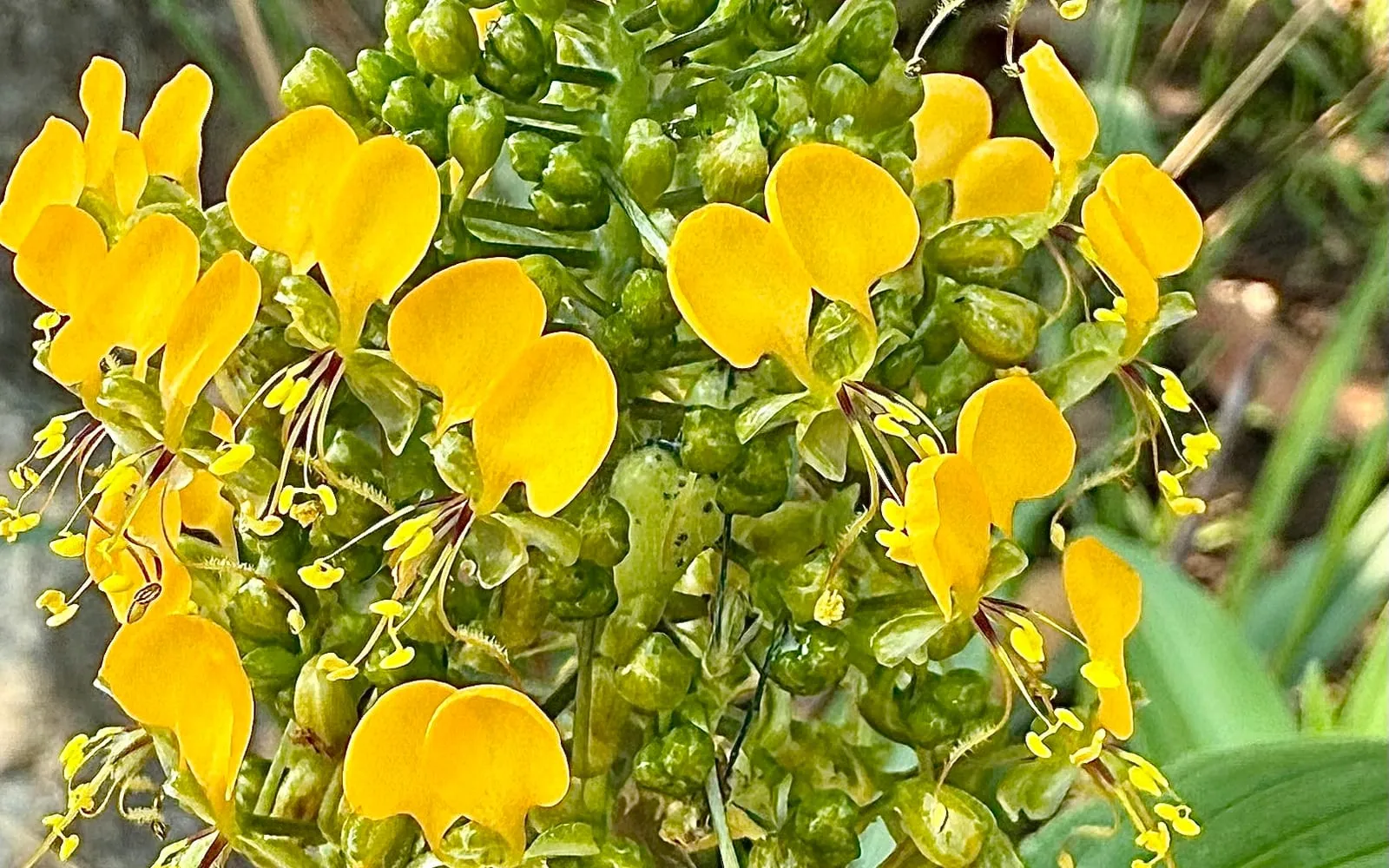
At a glance
- Difficulty
- Easy
- Water
- When the top few centimetres of mix have dried
- Light
- Bright indirect light to light shade
- Temperature
- Warm; keep above about 13 deg C
- Humidity
- Average to high
- Hardiness
- USDA 10-12, RHS H1b, hardy to 13 C
- Type
- Perennial
- Height
- 30-60 cm
- Native to
- tropical Africa
A tender tropical foliage plant from tropical Africa, growing in warm, humid, shaded to filtered light. It needs warmth, humidity and bright indirect light, and it cannot take frost or chill. It is safest above about 13 deg C, and cold, wet compost or dry air spoils it.
Hardiness zones describe winter cold alone. Summer heat, humidity, rainfall and the length of the growing season decide as much, so treat the range as the outer limit rather than as a recommendation.
Skin irritant
- Do not eat
- The sap
- Harm from
- Handling it
- Affects
- Cats and dogs
This species is not listed by the ASPCA or the RHS, and nothing is recorded against it. Its relatives in the spiderwort family, such as Tradescantia, are listed by the ASPCA as causing skin irritation in cats and dogs, and their sap can irritate sensitive human skin. Treat this plant the same way. It is not a serious poison, but wash off any sap and keep pets that chew plants away from it.
Sources: ASPCA toxic and non-toxic plants, RHS potentially harmful garden plants
About
Friedrich Welwitsch, the Austrian botanist who spent 1853 to 1861 documenting the plants of Angola, lends his name to this species. Aneilema welwitschii sits in a genus of modest tropical herbs that mostly appeals to people interested in the spiderwort family. It is grown for its leaves and for its link with open woodland and shaded tropical ground.
Do not expect showy flowers. The blooms are small, with three thin petals that open at daybreak and shrivel before noon, scattered along a fine forking stalk. The leafy growth is the main attraction. Its care follows from its woodland home in warm, tree-shaded Africa. It needs warmth, damp air and soft, broken light. The main risks are cold, wet roots and dry, overheated air.
Appearance and character
It grows as a loose clump rather than a stiff upright or trailing plant. Soft, kneed stems rise from a woody base and lean outward as they extend, making an arching bundle of leaves.
Each leaf is lance-shaped, wrapping the stem at the base and tapering to a point. The surface is soft and light green. Now and again a fine, forked flower stalk rises above the foliage and carries a few pale, short-lived blooms.
Where it is from
The natural range covers woodlands and leafy edges across tropical Africa, including the Angolan ground Welwitsch worked. The species roots in cool, rich soil under scattered trees. Sunlight is broken by the canopy, the air stays warm for most of the year, and the ground stays damp without flooding.
Match those woodland conditions and the plant grows well. Aim for broken light instead of direct sun, a room that never chills towards freezing, and air with some moisture in it. Use a crumbly, leaf-rich compost that takes up water but drains quickly.
How it grows
Expect most growth in the warm half of the year, when leaf follows leaf and the base thickens. Growth slows once the days shorten. This is normal.
A pot no bigger than the clump needs, filled with crumbly compost that drains fast, is enough. Keep it lightly moist and stand it in broken shade. Feed and water while it is active and leave it mostly alone otherwise. For more plants, tease the woody base apart in spring, or set a jointed length of stem in a covered tray kept warm until it roots.
Through the seasons
Spring restarts growth from the base. Split an overgrown plant, work in some new compost, and increase watering and feeding.
Summer gives the year’s main growth. Keep the plant in broken shade, keep it warm with moisture in the air, and water enough that the compost stays lightly damp.
Autumn slows growth as daylight shortens. Scale back the feed, and stretch the gap between waterings.
Winter is a rest. Give only the occasional drink, and keep the plant away from cold and chilly windowpanes.
Care difficulty
This is an easy plant if you can provide broken woodland light. Give it screened light, a warm room, moisture in the air, and compost that both holds water and drains. Problems usually come from two extremes. Roots left cold and wet can rot, while dry, hot air browns the leaf margins. Bright direct sun burns the tender foliage, so keep it out of strong sun.
Watering
Give the pot a good drink each time the surface has dried, soaking it through and pouring off whatever runs into the saucer. Through its active months the plant likes to stay reliably moist and struggles if left very dry for long stretches.
In winter, when growth slows, cut back to occasional watering. The main threat then is cold, wet compost rather than thirst. Allow much of the rootball to dry between drinks in the cool months, keeping it on the dry side of damp so the base does not rot.
Warning signs, diseases and pests
If the base turns soft and the leaves yellow and slump, the roots are probably cold and waterlogged. Reduce watering straight away, save a few sound divisions if you can, and move the plant into fresh, airy compost before the rot spreads.
Edges that dry to a brittle brown usually mean the air is too dry. Raise the humidity and move the plant away from heaters. Hot, dry rooms encourage spider mites, which dull and web the leaves, and mealybugs, which hide in the leaf joints. Check the clump often and treat either pest early.
Growing environment
Choose a place with soft, broken light and no direct sun, perhaps under a taller plant’s canopy or back from a bright pane. Woodland light suits it. Harsh sun scorches the leaves, and a gloomy corner leaves the growth thin and drawn.
Keep the room comfortably warm and the air from drying out, whether by clustering plants together or standing this one on a tray of moist gravel. Pot it in a crumbly, leaf-rich compost that drains readily, choosing a container that fits the clump without swamping it.
Feeding
While the plant is in leaf through spring and summer, offer a well-diluted balanced feed every few weeks to keep the growth green and full. Small, frequent doses are better than one heavy feed, which drives lax growth the clump struggles to hold up.
Stop feeding for the winter rest. A plant recently split or moved into new compost has enough food for its first weeks and needs no extra feeding until it is properly rooted.
Troubleshooting
Why is the base turning soft and the leaves yellowing? A chilled, waterlogged compost is rotting it. Water far less, lift out any healthy divisions, and repot into airier mix.
Why are the leaf edges drying brown? The air is too dry. Raise the humidity and keep the plant well away from heaters.
Why do the leaves look scorched? Direct sun is falling on woodland foliage. Shift the plant into soft, broken shade.
How do I raise more plants? Divide the woody base in spring, or root a jointed stem length in a warm, covered tray.
Is it safe around pets? Nothing serious is on record for this species. Its spiderwort relatives can irritate the skin of cats and dogs, so steer a chewing pet away from it and wash off any sap.
Welwitsch's Aneilema Spiderwort problem guides
Not sure what is wrong? See the common houseplant pests guide.