
Houseplant
Cola de Lagarto
Pereskiopsis kellermanii
Also known as Pereskiopsis kellermanii, Lizard's Tail Cactus
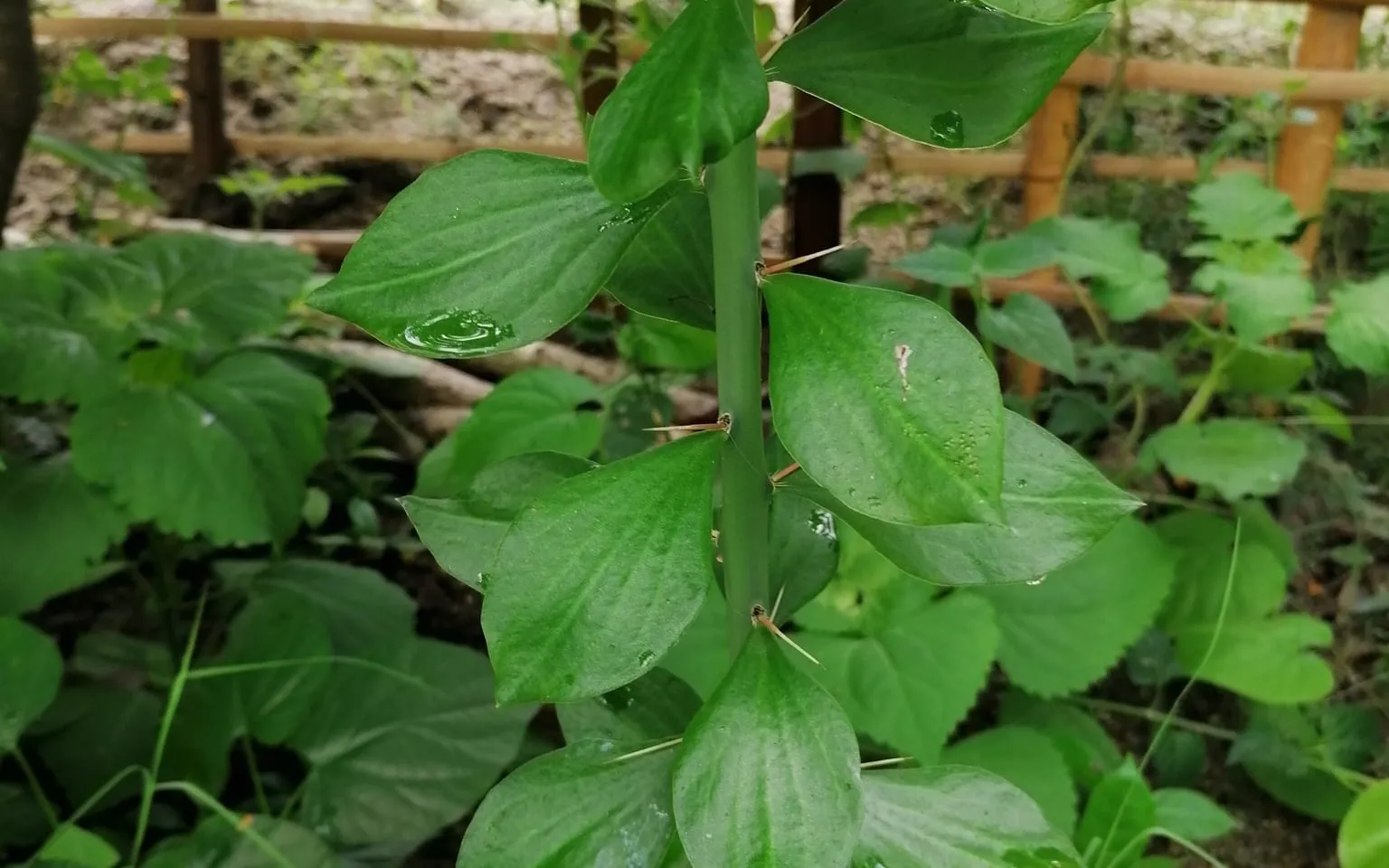
How to grow Pereskiopsis kellermanii, the lizard's tail or cola de lagarto, a leaf-bearing cactus of Mexico and Central America with long green leaves on spiny stems.
At a glance
- Difficulty
- Easy
- Water
- When the top of the mix is drying; steadily moist in warm growth
- Light
- Bright light with some direct sun
- Temperature
- Warm; keep above about 12 deg C
- Humidity
- Average to high
- Hardiness
- USDA 10-12, RHS H1c, hardy to 10 C
- Type
- Evergreen leaf-bearing cactus
- Height
- 2 to 3 m
- Native to
- Mexico, Central America
A strong leaf-bearing cactus from the warm forests and thickets of Central America, carrying long green leaves on stout, spiny woody stems. It needs warmth and bright light and, while growing, plenty of water and feeding. It has no frost tolerance, rests and sheds leaves when cool or dry below about 12 deg C, and grows vigorously kept warm, bright and moist.
Hardiness zones describe winter cold alone. Summer heat, humidity, rainfall and the length of the growing season decide as much, so treat the range as the outer limit rather than as a recommendation.
Not known to be toxic
Pereskiopsis is not listed as toxic by the ASPCA or the RHS, and no harmful compound is recorded in the genus. As with its relatives, the danger is physical: the areoles bear stout spines and tufts of fine, barbed glochids that lodge in skin and are hard to remove. On so large and vigorous a plant the spines are all the more reason to handle it with gloves and to site it out of the way.
Sources: ASPCA toxic and non-toxic plants, RHS potentially harmful garden plants
About
Size distinguishes this leaf cactus. Its relatives make thin, wandering stems; this one produces stout, woody, spine-armed branches with long green leaves. In its Central American forests it can grow into a large scrambling shrub or even a small tree. Its Spanish name, cola de lagarto, or lizard’s tail, refers to the trailing, leafy, tapering shoots.
It keeps real leaves instead of relying on a fat green stem, so it looks more like a spiny, leafy sapling than a cactus. It also needs more warmth, water and feed than a desert cactus. It is a relative of the grafting-stock Porter’s pereskiopsis, but it is a much larger plant and needs headroom rather than a windowsill.
Kept warm, bright and well watered, it grows fast and needs heavy pruning to keep it in check. Cold or drought pushes it into rest and makes it drop its leaves. On a plant this large, the stout spines and barbed glochids make careful placement and handling important.
Appearance and character
Its branches are stout, woody and spiny, standing up before they scramble. They carry long, oval to lance-shaped green leaves, and are much heavier than the slim shoots of its relatives.
Every areole has stout spines and clumps of fine, barbed glochids. On a vigorous plant these are a serious handling hazard.
It grows into a big scrambling shrub or small tree, two to three metres tall, so it needs floor room and a large container, though hard pruning will hold it smaller.
Flowers seldom appear indoors. On older stems they are yellowish to orange, sometimes followed by fruit, but the long leafy shoots are the main feature.
Where it is from
Pereskiopsis kellermanii comes from the warm forests, thickets and scrub of Central America, growing as a strong, leafy, spiny shrub or small tree. Warmth, bright light and a pronounced wet season are its everyday conditions.
Those conditions explain its care. Give it warmth and bright light, with generous water and feeding while it grows. When it turns cool or dry, it rests and sheds leaves. It has no cold tolerance and grows most strongly when kept warm, bright and moist.
How it grows
In warmth, with light, water and food, it grows fast and large, adding stout leafy branches. It rests or drops its leaves when cool or dry. Below about 12 deg C, growth stops.
Give it a fast-draining but moisture-holding, fairly rich compost in a large, heavy pot that will hold a two-metre plant upright. Keep it evenly moist and well fed through warm growth, quite unlike a desert cactus. Reduce watering once it cools.
Set it in bright light with a little direct sun and settled warmth above about 12 deg C. Because it can add a metre of stout leafy branch in a season, prune it hard to keep it within the space you have. Always wear gloves against the stout spines and barbed glochids.
Propagation is quick: stem cuttings root readily in warmth.
Through the seasons
Spring brings vigorous growth as warmth returns. Water and feed generously again, prune to control its size, and take cuttings.
Summer is its main growth season. Keep it warm, bright, evenly moist and well fed, and it will add stout leafy branches.
Autumn slows it as light and warmth drop. Cut back the water and feed.
Winter is a cooler rest above about 12 deg C. Water sparingly, expect some leaf drop if cool, and keep it warm and bright to limit that rest.
Care difficulty
Easy and vigorous in warmth, with room the main issue, since it grows large. Like its relatives it needs generous water and feed in warm growth, and it sheds leaves when kept too cold or too dry. Keep it warm, bright, moist and fed, and prune it hard when needed. Its stout spines and glochids, on so big a plant, make handling and placement the hard part.
Watering
Water once the top of the compost starts to dry, and keep it evenly moist through its warm growing season, since this leafy cactus needs far more water than a desert one. If it dries out hard while warm and growing, it will drop its leaves.
When it cools, water less and let the compost dry further down the pot. Keep it on the dry side through the cool winter rest, since a chilled, sodden root ball on a plant this size is slow to dry out and quick to rot. The danger is cold and wet at once, never generous watering while it is warm.
Warning signs, diseases and pests
A plant shedding its long leaves is usually too cold or too dry and is dropping into rest. Hold it above about 12 deg C and keep the compost evenly damp while it grows, and the foliage stays on.
A soft, blackening base is root rot from cold, wet compost. Warm it, dry it off, and on so tall a specimen cut away to sound wood and reroot a firm upper cutting if the base is lost. Mealybugs and scale lodge along the stout woody stems, where dilute alcohol or a horticultural oil clears them.
The stout spines and barbed glochids are the grower’s main hazard, especially on so large a plant. Handle it with gloves and stand it well out of the way.
Growing environment
Strong, vigorous branches come from a bright spot with a little direct sun. In shade the plant stretches thin and drops its leaves. It needs brightness, though less direct sun than a desert cactus.
The one condition it cannot do without is warmth, above about 12 deg C, because this tropical cactus rests and drops its leaves in the cold. Average to high humidity suits it well.
Plant it in a large container of fast-draining but moisture-holding, fairly rich compost, stand it somewhere warm and bright, prune it to hold its size, and keep it well away from paths and seating areas.
Feeding
This is a hungry plant, and its bulk and speed depend on regular feeding. A balanced liquid feed every two to four weeks across the warm months supports the big leafy branches.
Reduce feeding as autumn cools the plant, and hold off entirely through its winter rest. A recently potted or rooted specimen can use the nutrients in fresh compost for its first weeks and needs nothing more.
Troubleshooting
It is dropping its leaves. A chill or a dry spell has pushed this tropical cactus into rest. Bring it back above about 12 deg C and keep the big pot evenly moist while it is growing.
The base has gone soft and black. Root rot, from standing cold and wet. Move it into warmth, let the compost dry, and if the main stem has gone, take a sound upper cutting and start a fresh plant from it.
It is getting too big. This species grows into a large shrub or small tree. Prune it hard in spring to keep it in bounds, and root the trimmings as cuttings.
How is it different from the other leaf cacti? It is larger and heavier, growing shrub or tree-like with long leaves and stout spines, while Porter’s pereskiopsis is the leaner grafting stock. Both are fast, warmth-loving leaf cacti.
Is it safe around pets? No toxin is listed for it, so eating it is not the main concern. The real risk is the spines and glochids. On a plant two to three metres tall they can sit at head height, so keep it well clear of where anyone or any animal passes.
Cola de Lagarto problem guides
Not sure what is wrong? See the common houseplant pests guide.