
Houseplant
Lace Aloe
Aloe aristata
Also known as Torch plant, Aristaloe aristata
How to grow lace aloe as a houseplant. Its dark, white-spotted, softly toothed leaves, and why it is one of the more cold-tolerant small aloes.
At a glance
- Difficulty
- Easy
- Water
- Water when the compost has dried out completely
- Light
- Bright light, some direct sun
- Temperature
- 5-27 deg C, tolerates a brief light frost once established
- Hardiness
- USDA 8-11, RHS H2, hardy to -5 C
- Type
- Evergreen perennial succulent
- Height
- 10-15 cm
- Native to
- South Africa
Somewhat more cold-tolerant than many popular aloes, surviving a brief light frost once established, reflecting an origin at higher, cooler elevation than many lowland aloe species. It is still frost- tender overall and best grown as a houseplant or a container plant brought under cover for winter across most temperate climates.
Hardiness zones describe winter cold alone. Summer heat, humidity, rainfall and the length of the growing season decide as much, so treat the range as the outer limit rather than as a recommendation.
Harmful to cats and dogs if eaten
- Do not eat
- The leaves
- Harm from
- Eating it
- Affects
- Cats and dogs
Like most aloes, lace aloe contains compounds in its leaves that can cause vomiting and diarrhoea if eaten by cats or dogs, and the ASPCA lists the wider aloe genus as toxic to pets on this basis. No toxicity to people is documented from ordinary handling, and eating a large amount is unlikely given the leaves' bitter taste, but the plant is still worth keeping out of reach of a chewing pet.
Source: ASPCA
About
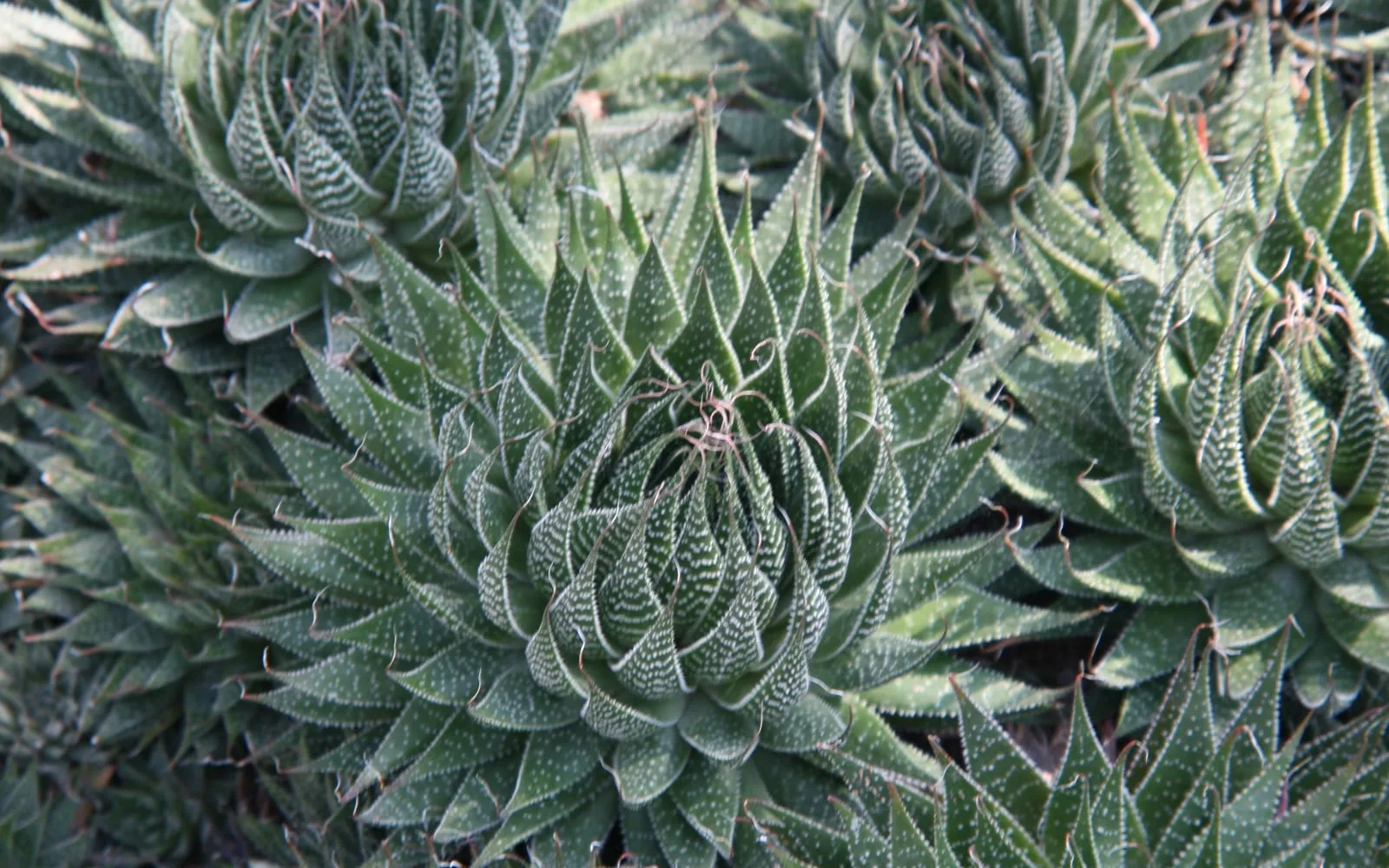
Lace aloe is a small, densely clustering succulent grown for its neat, dark green rosettes of narrow, softly toothed leaves, each one flecked with small white spots and edged with fine, soft, white teeth that give the plant its lace-like common name despite holding none of the sharp, painful spines associated with many other aloes. It offsets readily, building a single small rosette into a dense, mounded clump within a few years, and it tolerates more cold than many other popular aloe species.
Botanists have recently moved this species out of the main Aloe genus into its own genus, Aristaloe, based on genetic differences from typical aloes, though it continues to be sold and grown almost universally under its older, more familiar name.
Appearance and character
Narrow, tapering, dark green leaves, softly toothed along their edges and dotted with small, raised white spots, form a dense, compact rosette, much smaller than many other commonly grown aloe species. Offsets form readily around the base of a mature rosette, gradually building a single plant into a tight, mounded clump of many small rosettes over time.
Tall, slender flower stalks rise well above the foliage in summer, holding tubular orange-red flowers in a loose spike, a typical aloe flower shape scaled down to suit the plant’s generally small, clump-forming stature.
Where it is from
Rocky grassland at relatively high elevation in South Africa, in a climate with more pronounced seasonal cold than many other aloe species experience in their native lowland habitats.
That higher-elevation, cooler origin is the direct explanation for this species’ better than average cold tolerance among commonly grown aloes, and it has made lace aloe a popular choice for gardeners in a Mediterranean or otherwise borderline climate who want an aloe capable of surviving outdoors through an occasional light frost.
How it grows
Individual rosettes are relatively long-lived and produce new offsets steadily from the base, gradually building a dense clump from a single starting rosette within a handful of growing seasons. Growth is modest and unhurried, in keeping with the plant’s naturally compact, small- scale form.
Because it offsets so readily, this species is easy to propagate by division, separating rooted offsets from the parent clump and potting them individually, a more reliable method than leaf cuttings for most aloes, this species included.
Through the seasons
Spring growth resumes as temperatures rise, with new offsets often appearing around the base of established rosettes.
Summer is the main growing and flowering season, with tall spikes of orange-red flowers appearing above the foliage. Water when the compost has dried out fully and feed once or twice through this period.
Autumn growth slows as temperatures drop.
Winter water sparingly. Established outdoor plantings in a suitable climate tolerate brief light frost, though container-grown plants indoors should be kept away from cold draughts regardless.
Care difficulty
Easy. This is a tolerant, reliable succulent that offsets readily, needs little beyond sharp drainage and reasonably bright light, and copes with more cold than many other commonly grown aloe species.
Watering
Water only once the compost has dried out completely, soaking thoroughly and letting all excess drain away rather than leaving the pot standing in water. Reduce watering further over winter, particularly for a plant kept cool, since growth slows much and its water needs drop with it.
Warning signs, diseases and pests
Mealybug can settle between the crowded rosettes in a dense clump, where it is easily overlooked, and is treated with careful manual removal or a horticultural soap for persistent infestations. Root rot from overwatering is the more serious risk, showing as a soft, discoloured base or a rosette that pulls away easily from the rest of the clump.
Leaves that lose their white spotting and look plain, dull green often indicate too little light, and moving the plant to a brighter spot generally restores the more distinctive spotted appearance on new growth, though existing plain leaves will not regain their pattern.
Growing environment
Bright light with some direct sun supports the most compact growth and the clearest leaf spotting; in low light the rosettes loosen and lose some of their characteristic markings. Sharply free-draining succulent or cactus compost is essential, and this species tolerates a cooler position, including brief outdoor exposure to light frost once established, better than many other aloes.
Feeding
A low-nitrogen cactus or succulent fertiliser, applied once or twice during the growing season, supports steady offsetting and flowering. This is not a heavy feeder, and established clumps often perform well with minimal supplemental feeding.
Troubleshooting
Leaves have lost their white spotting and look plain green. Usually too little light. Move the plant to a brighter spot; new growth will show stronger, more typical markings.
A rosette within a clump has pulled away easily and looks discoloured. Suspect root rot from overwatering. Remove the affected rosette and check that the compost drains sharply enough for the rest of the clump.
You want to divide a dense clump into separate plants. Lift the clump and gently separate rooted offsets from the parent rosette, potting each into fresh, free-draining compost; this species divides easily thanks to how readily it offsets.
An outdoor planting was exposed to a light frost. Established plants of this species tolerate a brief light frost reasonably well, so check for real damage before assuming the worst; a plant with only minor leaf marking often recovers fully as the weather warms.
You are choosing a pot for a young, single rosette. A small, shallow pot suits it better than a large one, since excess unused compost around young roots tends to stay wet for longer than the plant needs; size the pot up gradually as the clump offsets and fills the available space over successive years, moving to the next size only once roots have filled the current one and are visibly circling the base of the pot, rather than repotting on any fixed yearly schedule regardless of the roots’ actual condition.
Lace Aloe problem guides
Not sure what is wrong? See the common houseplant pests guide.