
Houseplant
Kassner's Cynorkis
Cynorkis kassneriana
Also known as Cynorkis kassneriana
How to grow Cynorkis kassneriana, the kassner's cynorkis, a tuberous orchid of tropical African montane grassland with rose-pink spurred flowers.
At a glance
- Difficulty
- Difficult
- Water
- Evenly moist in growth; ease off for any rest
- Light
- Bright indirect light
- Temperature
- Warm; keep above about 10 deg C
- Humidity
- High
- Hardiness
- USDA 10-12, RHS H1c, hardy to 10 C
- Type
- Perennial
- Height
- 15-35 cm
- Native to
- tropical and southern Africa
An orchid from tropical Africa, grown in an open, bark-based or free-draining medium. It needs bright filtered light, an open root run, even moisture in growth and the seasonal rest of its origin. It is kept in the temperatures its origin suggests and frost-free unless known to be hardy.
Hardiness zones describe winter cold alone. Summer heat, humidity, rainfall and the length of the growing season decide as much, so treat the range as the outer limit rather than as a recommendation.
Not known to be toxic
Cynorkis kassneriana, the kassner's cynorkis, is not recorded among the seriously toxic plants, and related plants in its group are not listed as toxic by the ASPCA or the RHS. A pet or child that chewed a leaf would be unlikely to have more than a possible mild stomach upset.
Sources: ASPCA toxic and non-toxic plants, RHS potentially harmful garden plants
About
Cynorkis kassneriana is a tuberous orchid of tropical Africa, commemorating the collector Theodor Kassner, who gathered plants in central Africa in the early twentieth century. It belongs to a genus centred on Madagascar but well represented on the African mainland, and this species grows in grassland and damp montane places, often at higher, cooler elevations than its lowland relatives. Thouars described the genus in 1809, and the great majority of its species grow in Madagascar, with the smaller mainland group to which this one belongs reaching across tropical and southern Africa. It has a spike of pink to purple flowers above one or two leaves and grows from a small tuber, active in the wet season and dormant in the dry. It is rarely encountered in cultivation, so this account concentrates on recognising it and understanding the highland tropical rhythm it follows.
Appearance
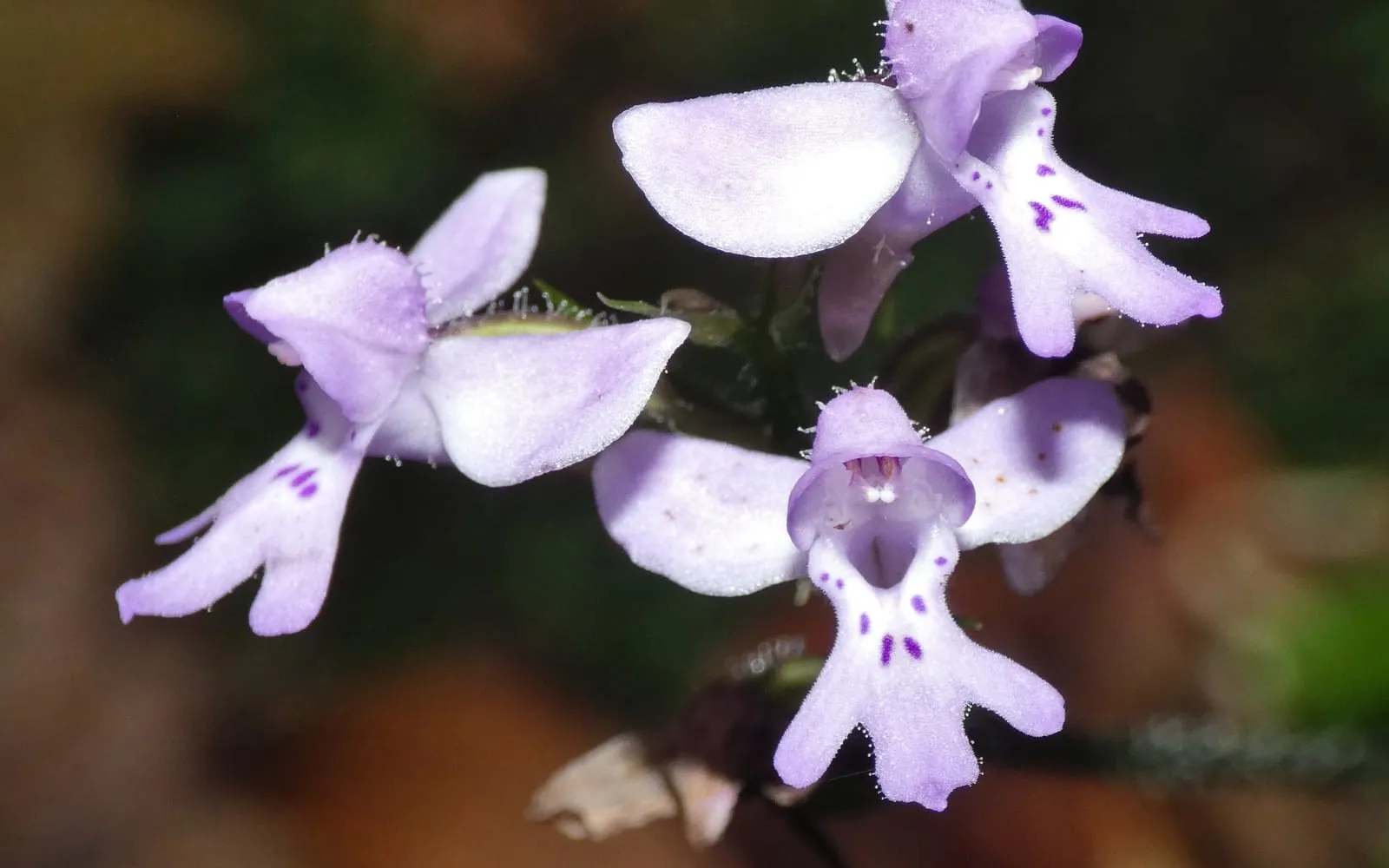
The plant produces a leaf or two towards the base and a slender flowering stem bearing several small to medium flowers in shades of rose-pink, mauve and purple, each with the spur characteristic of the genus and often a finely hairy stem. Its montane grassland setting means it is frequently found among tussocks and low herbs, where the flower spike stands out against the green. A small tuber underground carries it through dormancy. The combination of pink-purple spurred flowers and cooler highland habitat helps separate it from many other African Cynorkis.
Where it is from
The species is native to tropical Africa, growing in montane grassland, seasonally marshy flats and damp open ground, often at altitude where days are warm but nights can be cool. Its climate combines a warm wet growing season with a drier resting one, tempered by elevation, so it experiences less extreme heat than a lowland species. This highland origin is a useful clue: it needs warmth and moisture in growth but tolerates cooler nights, which separates it a little from the hot-lowland members of the genus.
How it grows
Growth starts each year from a small underground tuber. The leaves and flower stem develop with the warm rains, the plant flowers and sets seed, a new tuber forms, and the plant dies back as the dry season sets in. Its fine seed depends on soil fungi to germinate in the wild, and increase is otherwise by the slow production of tubers. Because little cultivation information is available, a grower would need to follow its natural montane cycle: a warm moist growing season and a drier rest that can be a little cooler.
Through the seasons
The warm rains start the tuber into growth, and leaves and the flower stem emerge.
The wet season is the main flowering and growth period, warm by day and often cool by night at altitude.
The end of the rains turns the leaves yellow and the plant heads towards rest.
Dry season is dormancy, with the tuber kept mostly dry and not too warm until the rains come again.
Care difficulty
This is a difficult and little-grown orchid, so the honest answer is that cultivation is uncertain. It would require a warm moist growing season with cooler nights, a drier rest, sharp drainage and soft water, and it would not tolerate stagnant wet or excessive heat. The practical difficulty is the lack of horticultural experience with the species, which makes any attempt experimental, while wild collection is both unreliable and damaging to montane populations. The notes here describe likely needs from habitat rather than a settled cultivation routine.
Watering
Watering would follow the montane wet season. During warm active growth the open medium is kept moist with low-mineral water and drained freely, so the tuber is never waterlogged, with watering eased as the leaves age. Through the dry dormancy the tuber is kept only just moist and rather cooler than a lowland species would need, reflecting its highland home, since both stagnant wet and excessive dryness are damaging. The plant’s own growth is a better guide than a fixed watering date.
Warning signs, diseases and pests
A soft tuber or dark rotting roots usually reflect wetness during rest or a dormancy kept too warm and damp; correct this with cooler, drier storage. A tuber dried to nothing in too harsh a rest may fail to return. Under cover, aphids may feed on the soft flower stem, mealybugs and scale may hide at the leaf bases, and fungus gnats may breed in sodden compost. Remove pests by hand or with a mild control, and keep the growing space bright and airy with cooler nights.
Growing environment
The plant would need a bright, warm-by-day but cool-by-night position during growth, closer to a cool-intermediate greenhouse than to a hot one, with a free-draining medium of fine bark, grit and a little leaf mould to match its grassland soil. Its dormancy should be dry and on the cool side, matching a montane dry season. Good light suits its open habitat, though the fiercest direct sun through glass should be filtered to protect the foliage.
Feeding
Feed lightly during growth with a very dilute balanced orchid feed used occasionally while the leaves are active. Montane grassland soils are not rich, and strong feeding leaves damaging salts, so keep feeding weak. Feeding stops as the plant enters dormancy and is withheld entirely while the tuber rests.
Troubleshooting
Who was it named after? The collector Theodor Kassner, who gathered plants in central Africa in the early twentieth century, hence kassneriana.
Does it want a cool or warm rest? A dry rest on the cool side suits its montane origin, unlike the warmer dormancy a lowland tropical species prefers.
Why is it hard to grow? It is rarely cultivated, little is documented about it, and it needs a warm moist growing season with cool nights, a drier rest and specific soil fungi for seed.
How is it propagated? Mainly by slow tuber increase; seed depends on particular fungi and seldom germinates in ordinary pots.
Is it toxic to pets? No serious toxicity is recorded for the genus, but keep pets from chewing it as a sensible precaution.
Kassner's Cynorkis problem guides
Not sure what is wrong? See the common houseplant pests guide.