
Outdoor plant
Hard Fern
Blechnum spicant
Also known as Deer fern
How to grow hard fern, Blechnum spicant, in acidic shaded ground. Its two distinct frond types, and why it struggles on chalky soil.
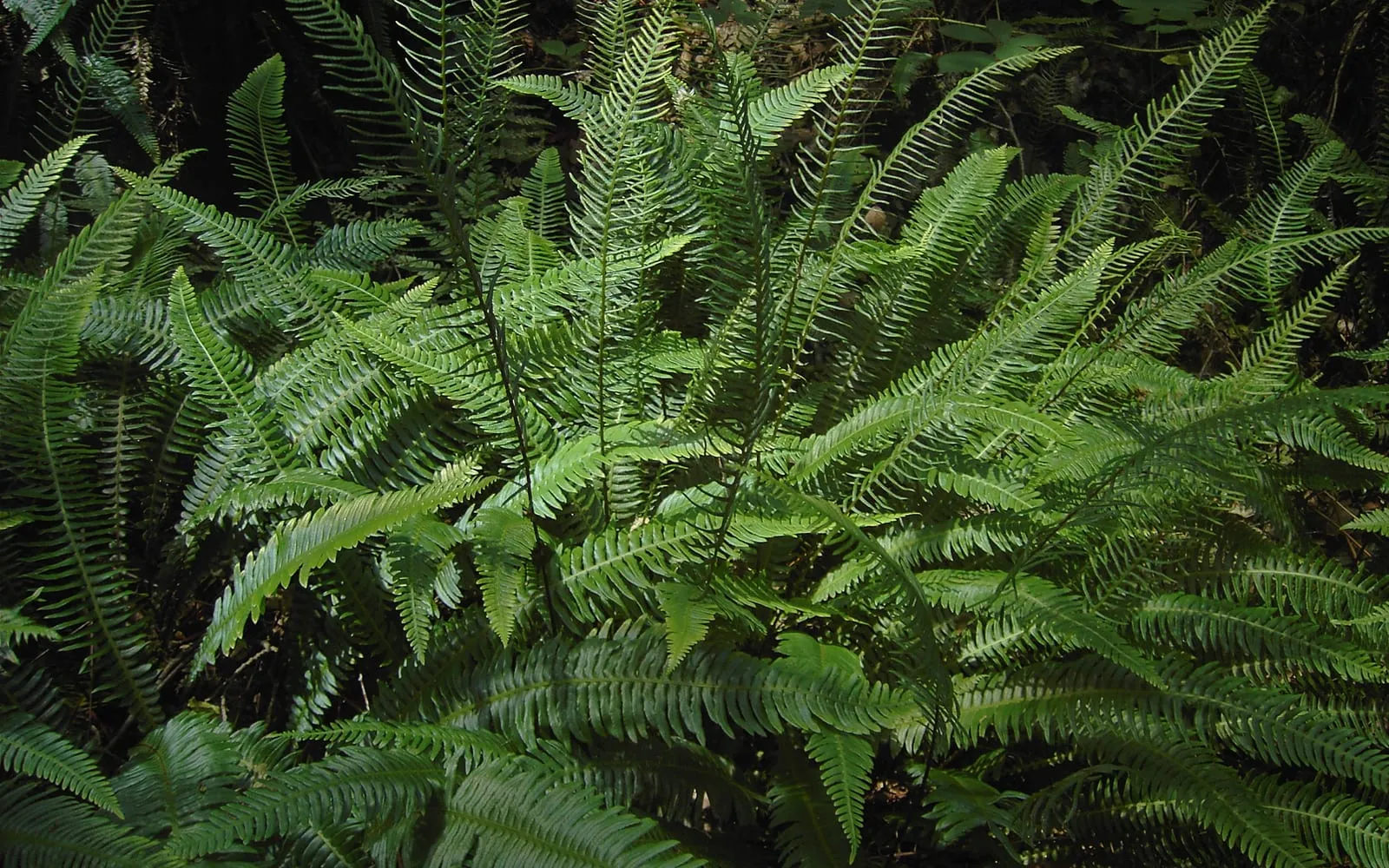
At a glance
- Difficulty
- Moderate
- Water
- Consistently moist soil, avoiding both waterlogging and drought
- Light
- Partial to full shade
- Hardiness
- USDA 5-8, RHS H6, hardy to -20 C
- Type
- Evergreen perennial fern
- Height
- 20-50 cm
- Native to
- Europe, Western Asia, Western North America
Hardy through ordinary temperate winters and evergreen in most of them, tolerating cold much better than it tolerates dry or alkaline soil. It is a plant of consistently acidic, damp ground, and struggles to establish at all on chalky or limestone-derived soil regardless of how mild the local winter is.
Hardiness zones describe winter cold alone. Summer heat, humidity, rainfall and the length of the growing season decide as much, so treat the range as the outer limit rather than as a recommendation.
Not known to be toxic
Hard fern has no toxicity listing from the RHS or the ASPCA and is considered safe around pets and children. It has no documented history of poisoning and, like most ferns, is rarely browsed by anything larger than a slug.
Source: RHS
About
Hard fern is a low, evergreen fern of acidic woodland and heathland, grown for the neat rosette of dark, glossy, leathery fronds it holds close to the ground through every season, and for the striking contrast between those sterile fronds and the taller, narrower, upright fertile ones that appear at the centre of the rosette each summer. It is a native British plant found on acidic soils across the country, particularly in the damper, more western parts.
Its common name deer fern, more often used in North America where a closely related population also occurs, comes from deer browsing the fresh young fronds, one of relatively few ferns reported to be eaten by grazing animals with any regularity.
Appearance and character
Two distinct frond types grow from the same low rosette. Sterile fronds are dark, glossy green, leathery and arch outward close to the ground in a neat, symmetrical rosette that persists through winter. Fertile fronds rise upright from the centre later in the season, much narrower and more open in structure, with the spore-bearing undersides visibly different from the broader sterile fronds around them.
This clear division of labour between two visibly different frond types on a single plant is unusual among common garden ferns and gives hard fern a distinctive two-tiered look through summer that sets it apart from a typical single-form fern rosette.
Where it is from
Acidic woodland, heathland and rocky banks across Europe, western Asia and western North America, generally in reliably damp, humus-rich, lime-free soil in at least partial shade.
Its strong preference for acidic conditions is unusually pronounced for a common garden fern, and it is one of the more reliable indicator species for identifying acidic soil in the wild, growing readily where rhododendron and heather also thrive and largely absent from chalk and limestone country.
How it grows
An evergreen perennial forming a slowly expanding rosette from a short, upright rhizome, producing sterile fronds continuously through the growing season and a distinct crop of upright fertile fronds in summer. Growth is modest and unhurried, and a mature clump stays compact rather than spreading widely, making it a well-behaved choice for a small shaded border.
Because the sterile fronds are evergreen and persist for more than one season, an established plant maintains its neat, dark rosette through winter in a way many deciduous woodland ferns cannot match.
Through the seasons
Spring new sterile fronds emerge from the centre of the rosette, gradually refreshing the evergreen display.
Summer distinctive upright fertile fronds appear at the centre of the rosette, visibly different from the surrounding sterile growth.
Autumn growth slows, though the evergreen sterile fronds remain largely intact.
Winter the rosette persists through the cold in most temperate climates, with only the oldest fronds showing wear by the time new growth resumes in spring.
Care difficulty
Moderate, and the difficulty lies almost entirely in matching its need for consistently acidic, damp soil rather than in any complicated ongoing care. On the right soil it is close to trouble-free; on chalky or alkaline ground it establishes poorly regardless of how much water and shade it is given.
Watering
Consistently moist soil suits this fern best, avoiding both prolonged drought and permanent waterlogging. A humus-rich, acidic soil that has been improved with leaf mould or composted bark holds moisture well without becoming stagnant, which is close to the ideal rooting medium for this species.
Warning signs, diseases and pests
Slugs occasionally graze young fronds as they emerge, leaving small notches, though established evergreen fronds are tougher and less appealing to them. Beyond this, hard fern is troubled by very few pests or diseases in cultivation.
Pale, yellowing fronds on soil known to be neutral or alkaline are the most common problem reported with this species, and almost always point to the soil pH being wrong for it rather than to any pest or pathogen. Testing the soil and, where necessary, growing the plant in a bed amended with ericaceous compost or in a container filled with lime-free compost usually resolves the issue.
A rosette that fails to produce the distinctive upright fertile fronds, while otherwise looking healthy, may be a young plant that has not yet reached the maturity needed to flower in the fern sense of producing spore-bearing growth; patience over a couple of seasons is usually the only fix required.
Growing environment
Partial to full shade suits it well, and acidic soil is the single non-negotiable condition for good growth. Humus-rich, moisture-retentive ground, of the kind found on a woodland floor with a build-up of leaf litter, gives the best results, mirroring its native heathland and woodland habitat closely.
Feeding
An annual mulch of leaf mould, composted bark or ericaceous compost around the rosette each spring both feeds the plant gently and helps maintain the acidic, moisture-retentive soil conditions it needs. Standard garden fertiliser is rarely necessary and, if alkaline in reaction, can actively work against the soil conditions this species prefers.
Troubleshooting
Fronds are pale or yellowing despite regular watering. Check the soil pH; this fern performs poorly on neutral to alkaline ground and usually needs an acidic soil amendment or a container of lime-free compost to recover.
New fronds are notched or partly eaten. Check for slugs on the soft, newly emerging growth, and protect young fronds if damage is significant.
No upright fertile fronds appear despite healthy sterile growth. Often often a young or recently divided plant that has not yet matured enough to produce them. Established clumps generally produce fertile fronds reliably each summer.
The rosette looks thin and open rather than dense. Usually a sign of too much shade or soil that is too dry. Check both conditions, and improve soil moisture retention with a generous mulch if drought is the more likely cause.
Fronds have turned brown at the tips over a hard winter. Some tip damage in a severe cold snap is normal even on an evergreen fern of this hardiness. Leave the affected fronds in place until new growth resumes in spring, since they still offer some protection to the crown beneath, and trim away only what has clearly died once the risk of further frost has passed.