
Houseplant
Woolly Maidenhair
Adiantum tomentosum
Also known as Adiantum tomentosum
How to grow Adiantum tomentosum, the woolly maidenhair, a finely divided tropical American fern whose fronds carry a soft, downy covering of fine hairs.
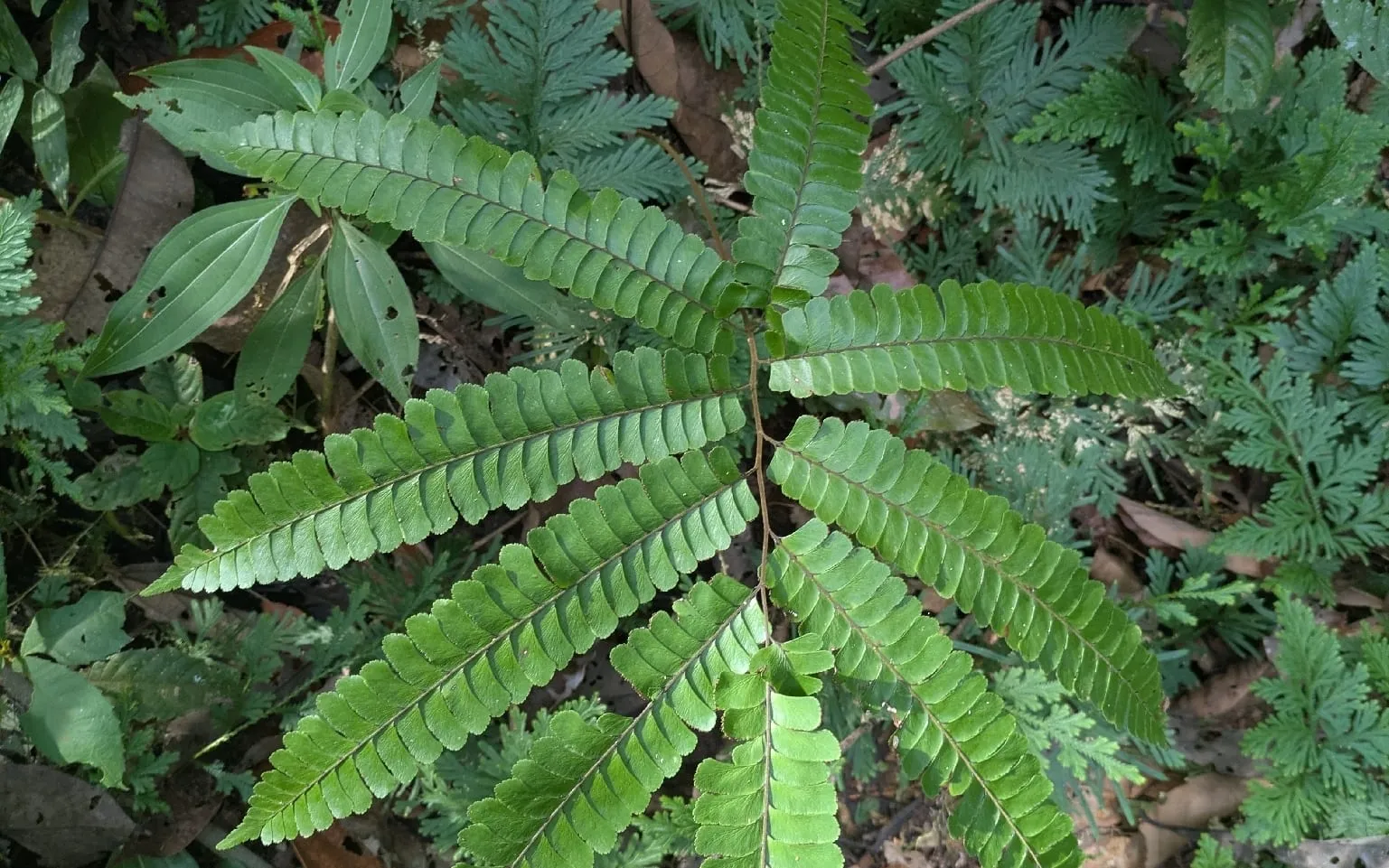
At a glance
- Difficulty
- Moderate
- Water
- Keep evenly moist; never dry out or waterlog
- Light
- Bright indirect light
- Temperature
- Warm; suited to its origin
- Humidity
- Average to high
- Hardiness
- USDA 9-11, RHS H2, hardy to 5 C
- Type
- Perennial
- Height
- 15-30 cm
- Native to
- tropical America
A fern from tropical America, grown for its foliage in shaded, humid, moist conditions. It needs bright indirect light, steady moisture and reasonable humidity, and it dislikes a dry root ball, dry air and direct sun. Its cold tolerance depends on its origin, and it is kept frost-free unless known to be hardy.
Hardiness zones describe winter cold alone. Summer heat, humidity, rainfall and the length of the growing season decide as much, so treat the range as the outer limit rather than as a recommendation.
Not known to be toxic
The ASPCA lists the maidenhair ferns (Adiantum) as non-toxic to cats and dogs, and the RHS does not list the genus as harmful. No toxic compound is recorded in Adiantum tomentosum. A pet or child that chewed a frond would be unlikely to come to real harm beyond a possible mild stomach upset.
Sources: ASPCA toxic and non-toxic plants, RHS potentially harmful garden plants
About
Adiantum tomentosum is named for the fine, soft down of short hairs on its stalks and on the backs of the small leaf segments. This gives the fronds a matt, felted feel rather than the glossy surface of many maidenhair ferns. The fronds are finely divided two or three times into small fan-shaped segments on dark, thread-thin stems, forming a soft, lacy dome.
It comes from the American tropics, where it grows on shaded, humid forest floors. Indoors, a settled plant builds into a rounded, feathery mound of clear green fronds with a soft downy surface.
Apart from the felted coating, it needs the same care as other tender maidenhair ferns. Warmth, shade, moist air and a rootstock that stays damp keep it growing well. A dry pot, dry room air or direct sun quickly browns the fine segment edges.
Appearance and character
A fine, soft down of short hairs sheathes the stalks and the undersides of the segments, giving the foliage the matt, felted feel that names the plant.
The frond is finely cut, divided two or three times into small fan-shaped segments along dark, thread-thin stems, giving the plant its soft, lacy look.
The unfurling fronds are pale and tender before they green and firm. Over time the crown builds into a rounded, feathery mound.
Being a fern it bears no flower, spreading instead by spores that ripen along the undersides of the little segments.
Where it is from
The woolly maidenhair grows through the American tropics, on shaded, wet forest floors and the damp faces of banks and rocks. The air there stays humid, and the fern grows low in still shade.
That habitat explains its care. It needs warmth, moist air, soft filtered light and compost that stays damp but drains quickly. Full sun, dry indoor air and a dried rootstock all brown the fine segments even beneath the down.
How it grows
Downy new fronds rise from the crown through the warm season and slow when the light weakens. In warm, moist conditions the foliage can continue all year. The main requirements are warmth, moist air and a rootstock that stays damp. A dry spell stalls the plant and marks the segments.
Give it a light, peat-free potting mix that drains surplus water yet stays damp, and never let it dry through. Use rainwater if you can. To increase it, divide a crowded crown in spring, or raise fresh plants from spores under glass.
Position does a lot of the work. Keep it out of direct sun, hold the room warm, and raise the humidity around it with a tray of wet gravel or a close group of plants.
Through the seasons
Spring brings downy fronds up from the crown. Restart feeding, divide a crowded crown for more plants, and keep the potting mix damp.
Summer gives the fastest growth, with soft, pale, downy croziers rising one after another. Never let the roots dry, keep the air moist, continue weak feeding, and keep the felted fronds out of direct sun.
Autumn slows growth as daylight shortens. Feed less, and let the mix run a little drier between waterings.
Winter needs little. Keep it warm, damp but not wet, and away from cold draughts and dry radiator heat.
Care difficulty
Moderate. Soft light, warmth, moist air and a potting mix kept steadily damp keep it growing. Direct sun, dry room air or a dried rootstock brown the segments. Cold, stagnant wet around the roots rots the crown.
Watering
Water as the surface of the mix begins to lose its damp, preferably with rainwater. Hard-water salts and drought both mark the fine segments under their felt. The newest fronds droop first when the plant is short of water, so respond before the whole crown wilts.
Because a dense, airless mix rots the crown, steady damp must come with free drainage. Over the cool months, water less often and go by the feel of the mix instead of a fixed day.
Warning signs, diseases and pests
Singed, brittle edges on the segments are the most common problem. They usually follow dry air, a dried rootstock or hard tap water. Raise the humidity, restore steady moisture, switch to rainwater, and remove fronds that have died back.
Spider mites move in during warm, dry conditions, and the down can hide them at first, so check closely. Raise the humidity and treat before they build. Cold, stagnant wet rots the crown, which an open mix and warmth help prevent.
Growing environment
Soft, indirect light is the aim. Avoid direct sun, which singes the segments, and avoid a corner so dim that the mound thins. Bright shade is best.
Alongside the light, it needs steady warmth and damp air around it, well away from cold draughts and the dry updraught of a radiator. Use a light, peat-free, moisture-holding potting mix in a freely draining pot.
Feeding
During growth, give a weak balanced liquid feed at long intervals. Reduce feeding as autumn arrives and give none over winter.
A strong feed pushes soft, floppy growth and can scorch the fine fronds, so keep it weak. After repotting, the new mix feeds it for a while and no extra is needed.
Troubleshooting
Why is my woolly maidenhair struggling? Usually it is dry air, a rootstock that went dry, or hard tap water. Any of these can brown the fine fan segments even under their down. Restore warmth, steady moisture and rainwater, and new fronds should grow cleanly.
How much light does it want? Softened light off the sun. Direct rays singe the segments; a dark corner thins the mound.
How often should I water it? As the surface of the mix begins to dry, using rainwater, and going by the feel of the mix instead of a set day.
What is the fine down on the fronds? A natural coat of short, soft hairs clothing the stalks and the backs of the segments. It is normal to this species, gives the whole leaf its matt, felted feel, and is where the name woolly maidenhair comes from.
Is it safe around pets? Yes. The ASPCA lists the maidenhair ferns as non-toxic to cats and dogs, and a nibbled frond should cause nothing worse than a mild stomach upset.
Woolly Maidenhair problem guides
Not sure what is wrong? See the common houseplant pests guide.