
Disorder
Moss in lawns
Also called Lawn moss, Mossy lawn, Moss in grass
Moss moves into a lawn where the grass has given up, so killing it without changing the conditions buys one season. Which moss you have narrows the cause to shade, compaction, drought or close mowing.
At a glance
- Type
- Disorder
- Cause
- Growing conditions
- Severity
- Weakens the plant
- Affects
- Garden plants
- Active
- September to April
What you are seeing
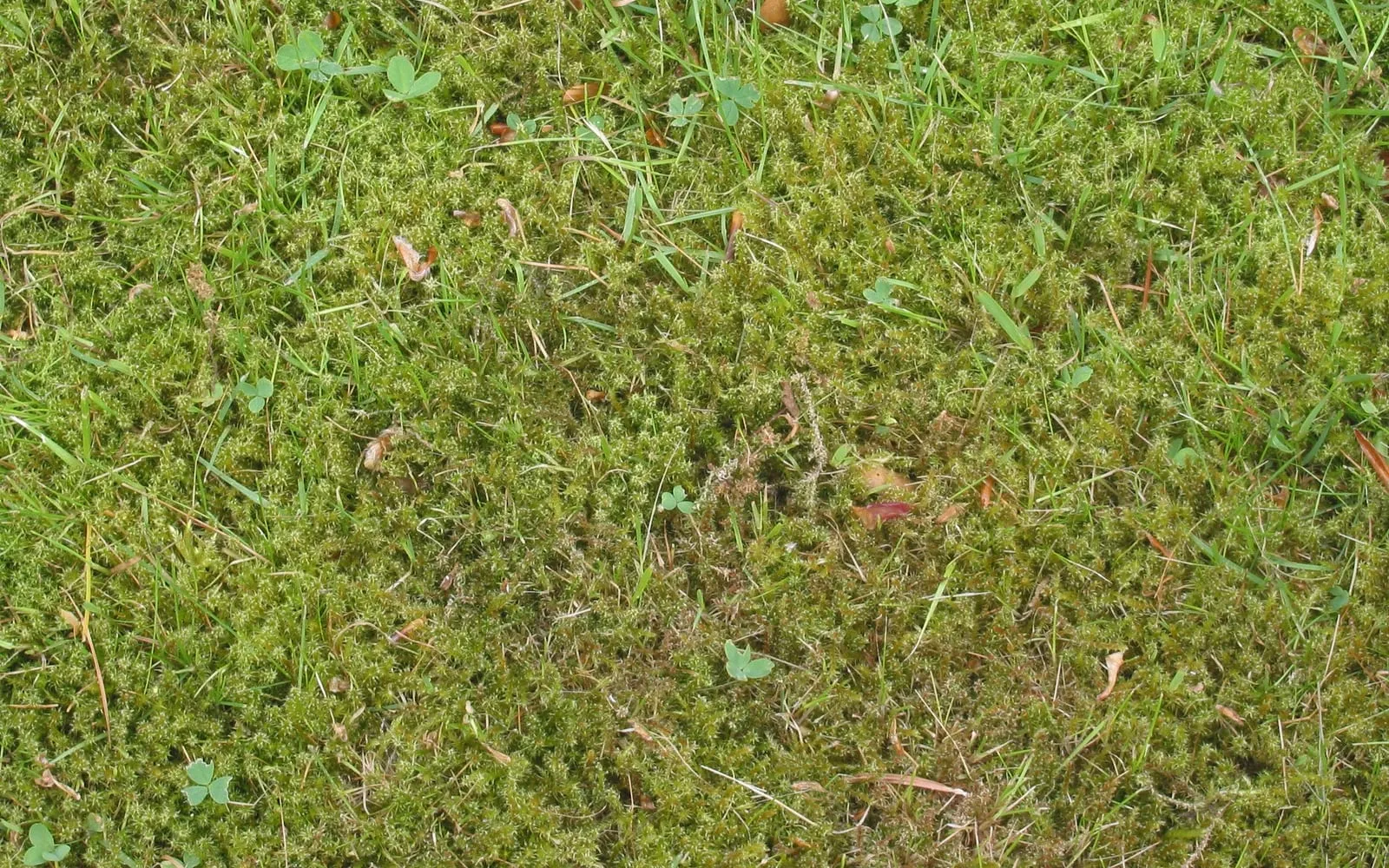
- Soft green cushions or mats between the grass plants, springy underfoot
- Grass thin, pale and short where the moss is thickest
- Moss worst under trees, along a north wall and wherever the lawn is walked on most
- Bare soil showing through after moss has been raked out
- Water standing on the surface after rain, or the ground rock hard in summer
- The problem returning within a season of every treatment
- Upright moss shoots like tiny conifers on dry banks and thin acid soil
- Loose feathery trailing moss in shaded damp corners
Before you treat anything
Ferrous sulphate, sold as lawn sand and in most moss killers, stains paving, clothing and skin a rust colour that does not come out, and it is harmful to dogs and cats if eaten off the grass. Keep animals off until it has been watered in and dried, and keep it off the path. Household remedies such as bleach, vinegar and washing soda damage the grass and the soil life and should not be used.
What you are looking at
Soft green cushions between the grass plants, springy when you press them, and grass that is thin and pale wherever the moss is thickest. Worst under the trees, worst along the shaded side of the house, and worst on the line everyone walks from the back door to the shed.
Rake a handful out and there is bare soil underneath rather than grass roots.
It comes on through autumn and winter, looks its worst in February, and retreats a little when the grass starts growing again in spring. Then the same thing happens the following winter, a bit further across the lawn.
Moss is the result, not the cause
Moss has no roots to compete with grass, takes almost nothing out of the soil, and cannot force its way into thick turf. It arrives on spores, which are everywhere all the time, and it establishes in the gaps.
So a mossy lawn is a lawn where grass has stopped filling the space, and the moss is a reading of why. Kill the moss and leave the reason in place, and you have cleared the ground for the next crop of spores, which is what makes moss killer an annual purchase for so many people.
Four conditions account for nearly all of it. Shade, because grass needs several hours of direct light and moss does not. Compaction, which squeezes the air out of the soil and stops grass rooting. Poor drainage, which does the same thing with water. And close mowing on hungry ground, which starves the grass of leaf area at the same time as it lets light down to the soil.
Putting each of these right is ordinary lawn care, and it does more against moss than anything sold to kill it.
Drought belongs on the list too, working one season late. Grass burnt off in August leaves gaps, and the moss moves into them in October.
Which moss tells you which problem
Two shapes turn up in lawns and they point in different directions.
Upright moss with stiff little shoots that look like miniature conifers, often dark green to almost black, favours dry, thin, acid and starved ground. It is common on banks, on sandy soil and on old lawns that have never been fed.
Loose, feathery, trailing moss that pulls up in mats and looks like a green tangle prefers shade and damp. It is what you find under a tree, along a north wall and on ground that stays wet.
Neither identification changes the treatment much, and both are quicker to read than a soil test. What they do is tell you which condition to attack first.
The lime myth
Ask why a lawn is mossy and someone will say the soil is acid and it needs lime. That is right occasionally and wrong most of the time.
Moss grows happily from strongly acid soil right through to alkaline, so its presence says nothing about pH on its own. The great majority of mossy lawns are shaded, compacted, starved or scalped, and liming them changes nothing about the moss while raising the pH of ground that did not need it. On a lawn that was already neutral, that costs you the fine grasses and encourages coarse weeds.
Test with a cheap kit before spending anything. Where the reading comes back low, lime helps the grass grow thicker, and the moss then loses to the grass rather than to the lime.
What moss killer does and does not do
Products based on ferrous sulphate blacken moss within a few days and are satisfying to watch. What they leave behind is dead moss lying on bare soil, which has to be raked out, and bare soil takes new moss spores as readily as it takes grass seed.
Used as one step of a proper renovation, alongside scarifying, aerating, feeding and oversowing, they are worth their place. Used on their own on a lawn that is still shaded, still compacted and still mown at 15 mm, they buy a season.
The household remedies circulating online are worse than useless. Bleach, vinegar, washing soda and salt all damage grass and soil life, and none of them addresses the reason the moss is there.
What to do about it
Raise the mower to 30 to 40 mm and keep it there.
Feed the lawn in spring and again in autumn.
Test the pH before liming, and expect nothing from lime if the reading is normal.
Scarify in early autumn or mid spring, in two directions, and bin what comes out.
Aerate the compacted ground with a fork or a hollow-tine machine, and brush sharp sand and loam into the holes on clay.
Oversow the bare patches the same day you scarify.
Thin the tree canopy where shade is the problem, and fix the drainage where water sits.
Water through a bad drought, or at least leave the grass long.
Where grass cannot win, plant something that can, or keep the moss.
What it gets mistaken for
Waterlogging shows standing water, a sour smell and grass dying outright rather than thinning.
Red thread bleaches irregular patches and threads them pink, and it tells you the lawn is hungry rather than that the site is wrong.
Leatherjackets and chafer grubs eat the roots and let the turf lift like a carpet, and moss then colonises what they killed.
Algae make a slippery black-green film on the surface of bare wet soil rather than a cushion, and they say the same thing about drainage.
Liverworts form flat green scales pressed to the ground on permanently wet compacted soil, and they are a stronger drainage signal than moss is.
What to do, in order
Start here
Prevention, and the changes that stop the problem returning. Most of these pages should end at this tier.
- Raise the mower and stop cutting it short
- Close mowing is the commonest reason a lawn lets moss in. Grass cut below about 25 mm loses the leaf area it needs to feed its roots, and every millimetre you take off gives moss more light at soil level. Set the mower to 30 to 40 mm through the year and never take off more than a third of the height at one cut. This is the single change that shifts most mossy lawns.
- Feed the grass so it can compete
- Moss takes no nutrients out of the soil worth speaking of and occupies the space grass has vacated. A spring feed and an autumn feed keep the grass thick enough to hold that space. A lawn that has never been fed and is mown short is the classic mossy lawn.
- Test the pH before you reach for lime
- Moss on a lawn is widely taken as proof of acid soil and it is nothing of the kind. Moss grows perfectly well at neutral pH, and most mossy lawns are shaded, compacted or starved rather than sour. Test with a kit, lime only if the reading comes back low, and expect the lime to improve the grass rather than to touch the moss.
- Let more light in
- Grass needs several hours of direct light a day and moss does not. Where a lawn sits under a tree canopy or against a north wall, thinning the canopy and lifting the lower branches will do more than anything applied to the ground. Where the shade cannot be reduced, this is a lawn that will always be mossy.
- Grow something else where grass will not win
- Deep shade, permanently damp ground and heavy traffic are conditions grass loses in, and fighting them every year is a poor use of a spring. Shade-tolerant planting, a path where the desire line already is, or a moss lawn left as moss are all better outcomes than an annual battle. A moss lawn is green all winter, needs no mowing and takes light foot traffic.
- Water in a drought rather than letting the lawn burn out
- Grass killed by summer drought leaves gaps, and moss colonises them through the autumn. A lawn watered through the worst of a dry spell, or at least mown high and left long, comes out of the summer thick enough to keep moss out over winter.
Then reach for a barrier
Netting, hand removal and water. Nothing here harms anything except the target.
- Scarify, and understand that raking alone is not it
- Drag a spring-tined rake or a powered scarifier through the lawn to pull the moss and the thatch out, working in two directions. Do it in early autumn or mid spring when the grass can recover, and be prepared for the lawn to look wrecked for a fortnight. Collect and bin what comes out rather than composting it fresh, since moss regrows from fragments.
- Aerate compacted ground
- Push a garden fork 10 to 15 cm in every 15 cm across the worst areas, or hire a hollow-tine aerator for a large lawn, which pulls out plugs of soil rather than only making holes. Compaction under paths, gateways and washing lines is where moss always starts, and nothing else you do will hold until the air is back in the soil.
- Top dress with sand and loam after aerating
- Brush a mix of sharp sand and loam into the holes on heavy ground so they stay open. On clay this is what turns a one-off aeration into a lasting improvement in drainage.
- Oversow the bare ground straight away
- Scarifying leaves soil showing, and whatever gets there first keeps it. Sow grass seed onto the bare patches the same day, rake it in and keep it damp. A lawn left bare after scarifying grows moss back faster than it grew it in the first place.
- Fix the drainage where water sits
- Where the ground is wet enough that footprints hold water for hours, aeration and sand will only go so far. That is a drainage job, and until it is done the moss is the correct plant for the site.
Plants affected
Guides that name it among the problems to watch for. The list is the plants it is characteristic of rather than everything it will feed on.